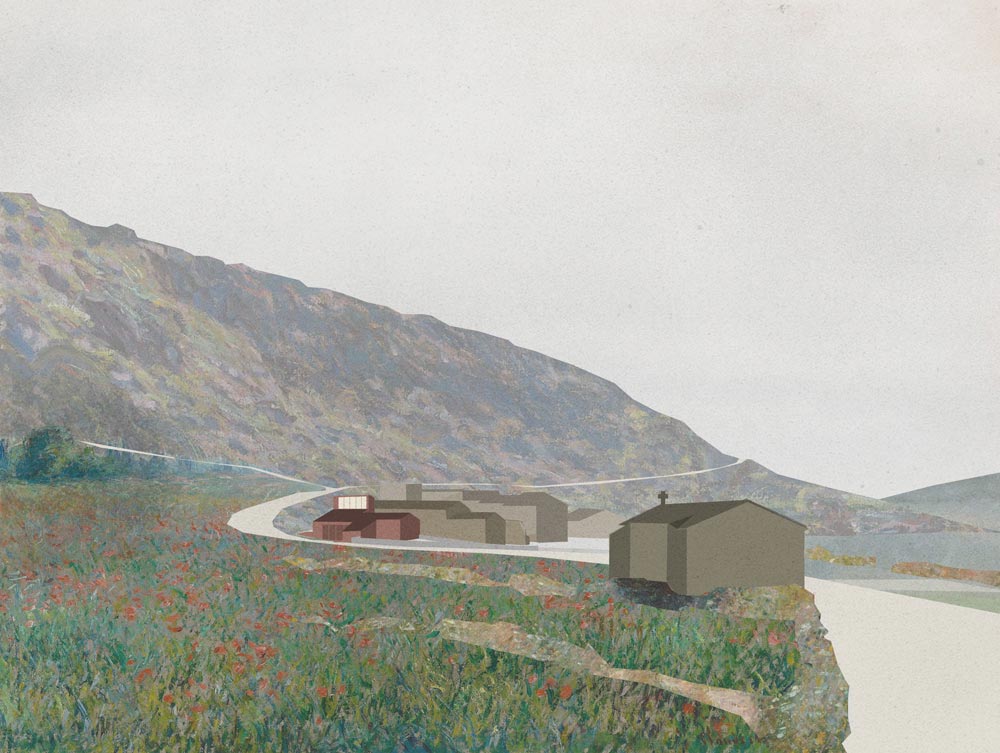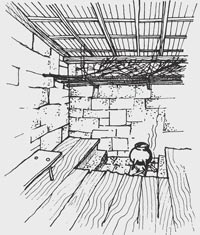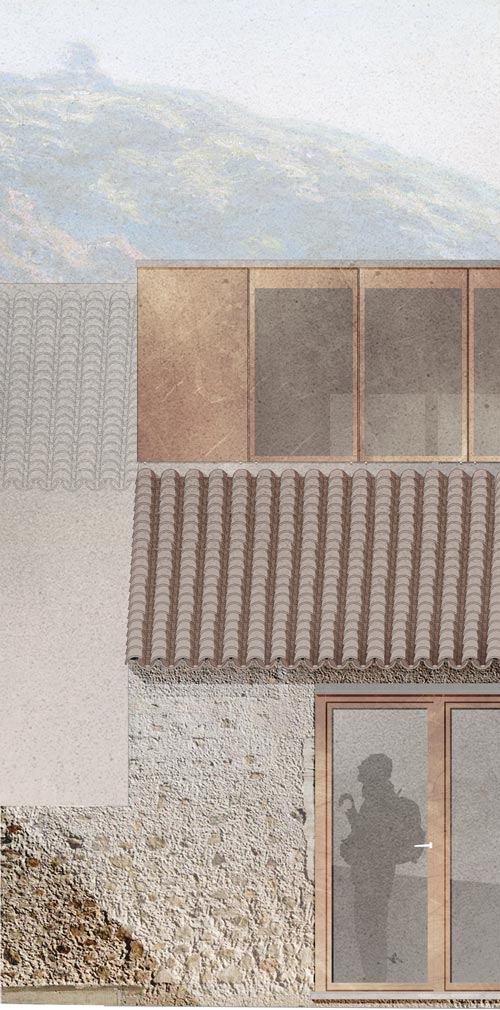
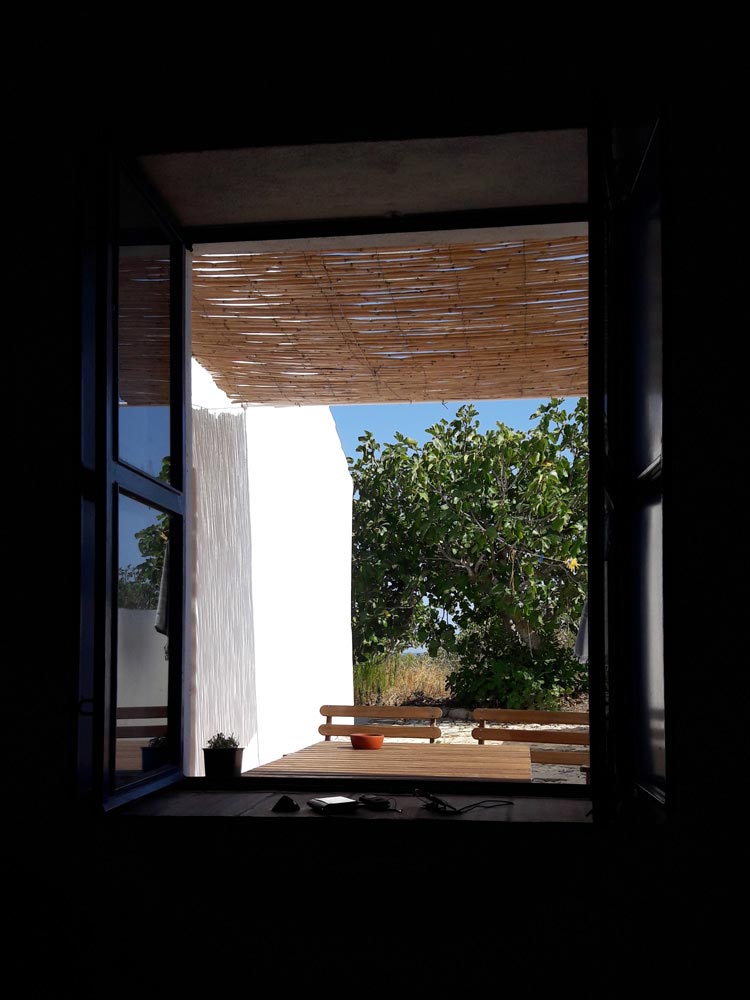
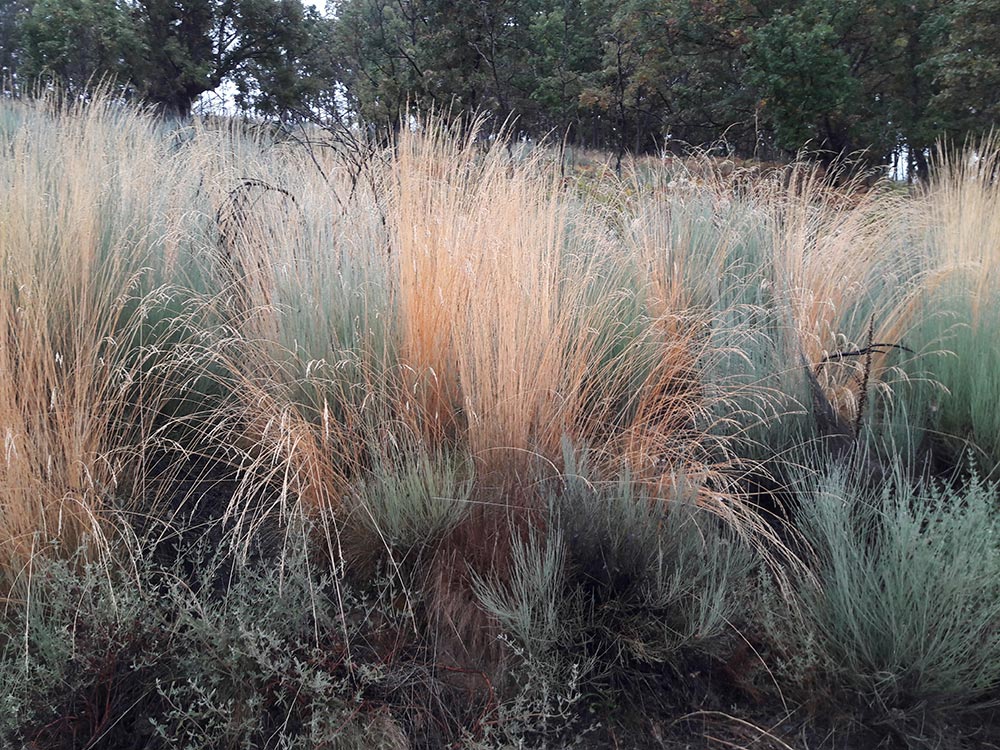
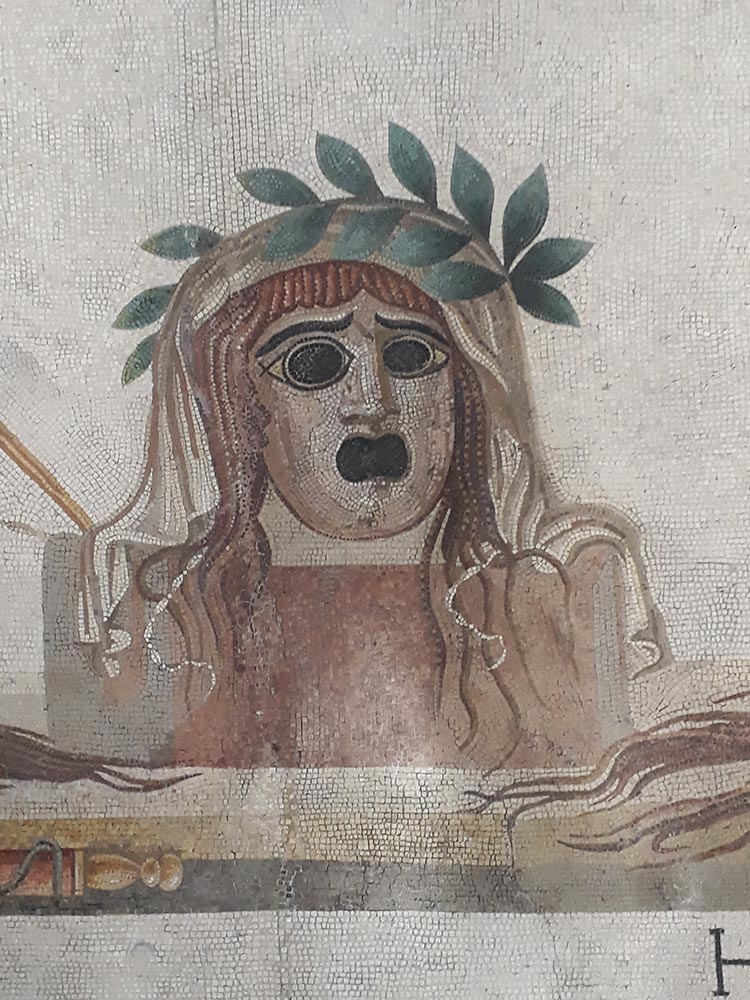
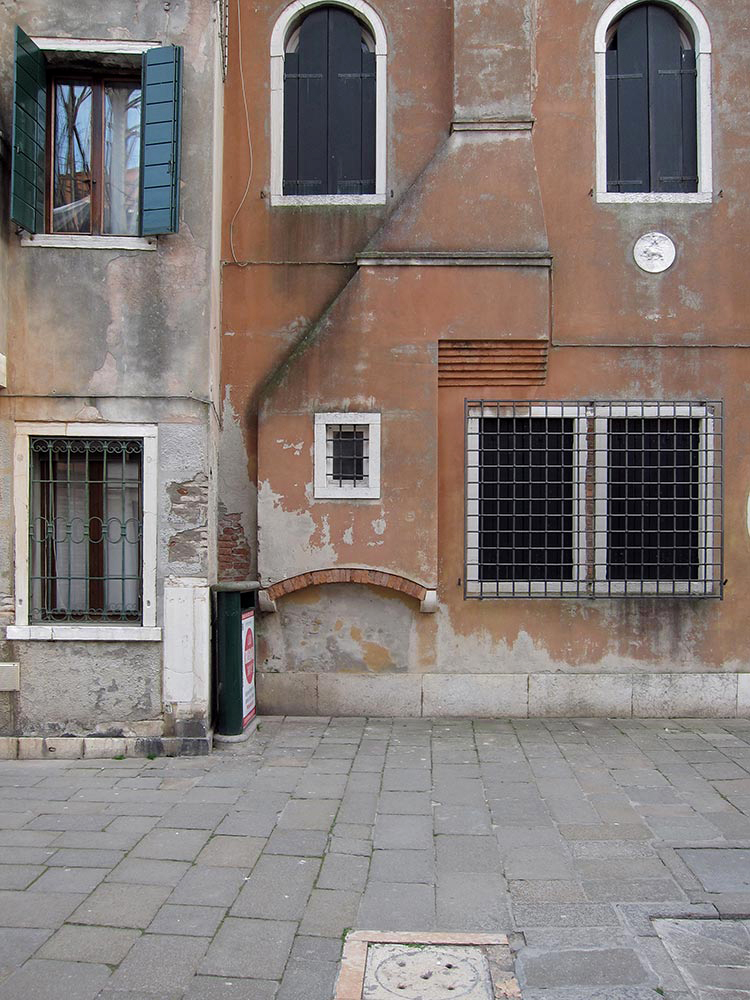
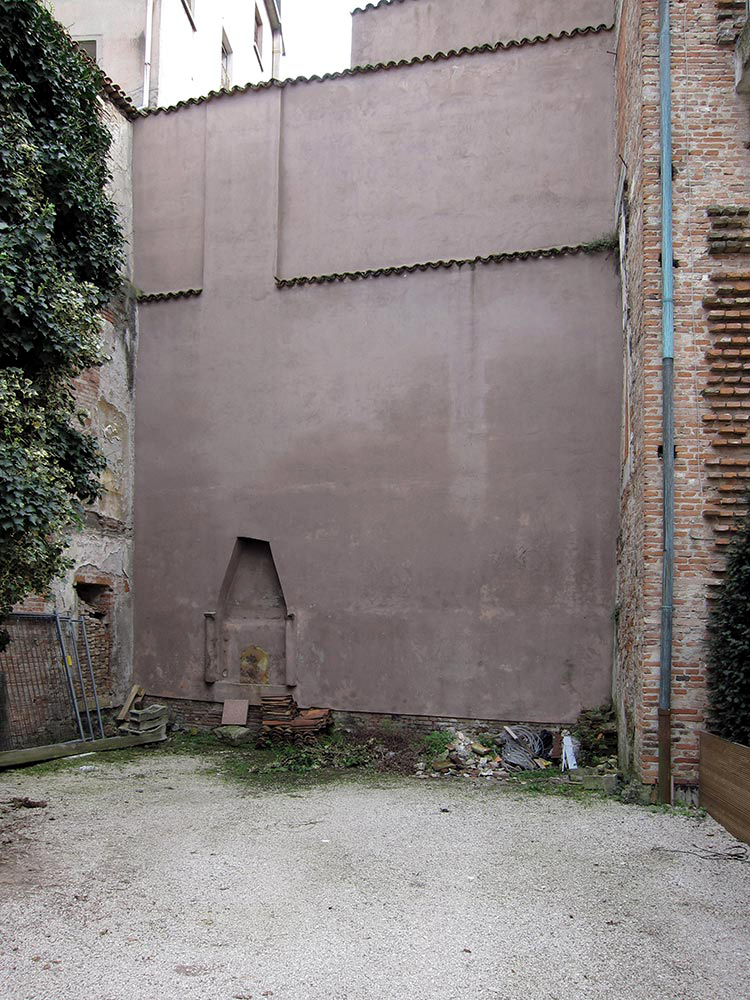
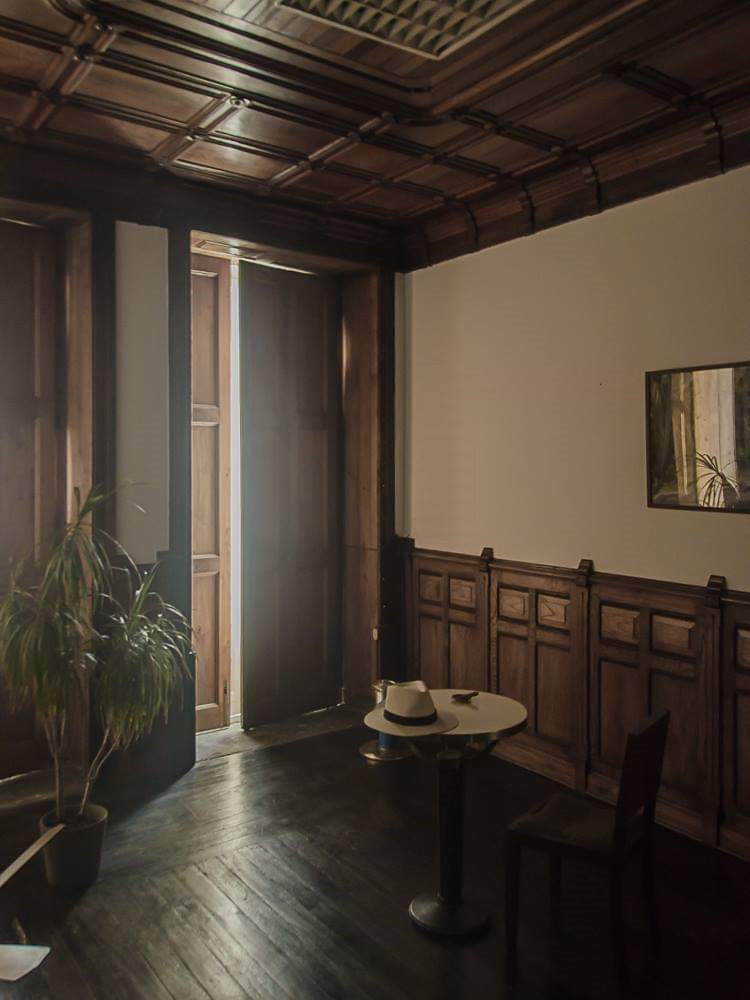
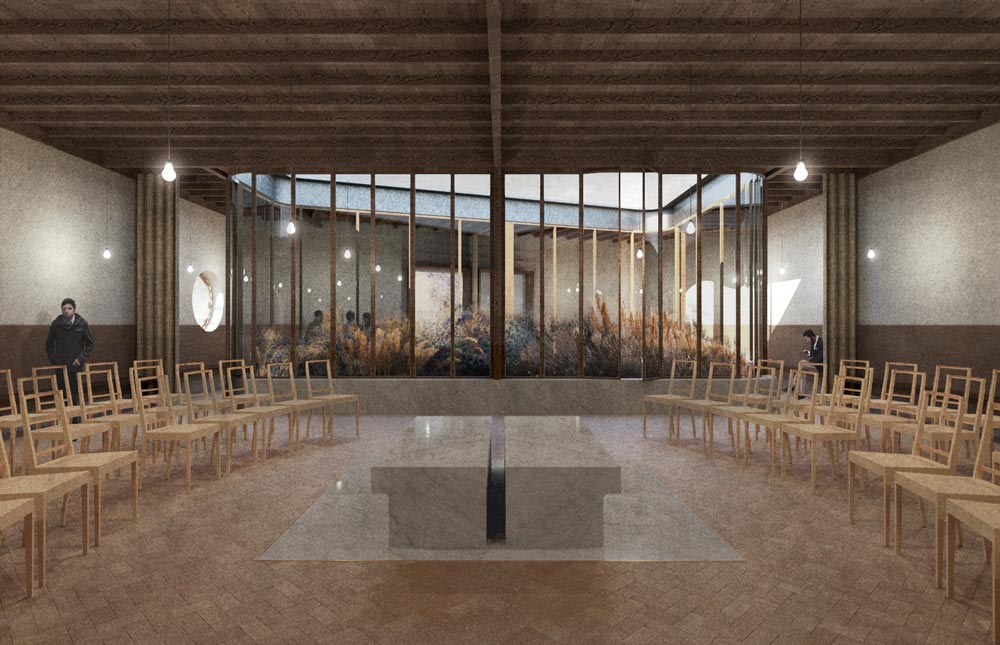
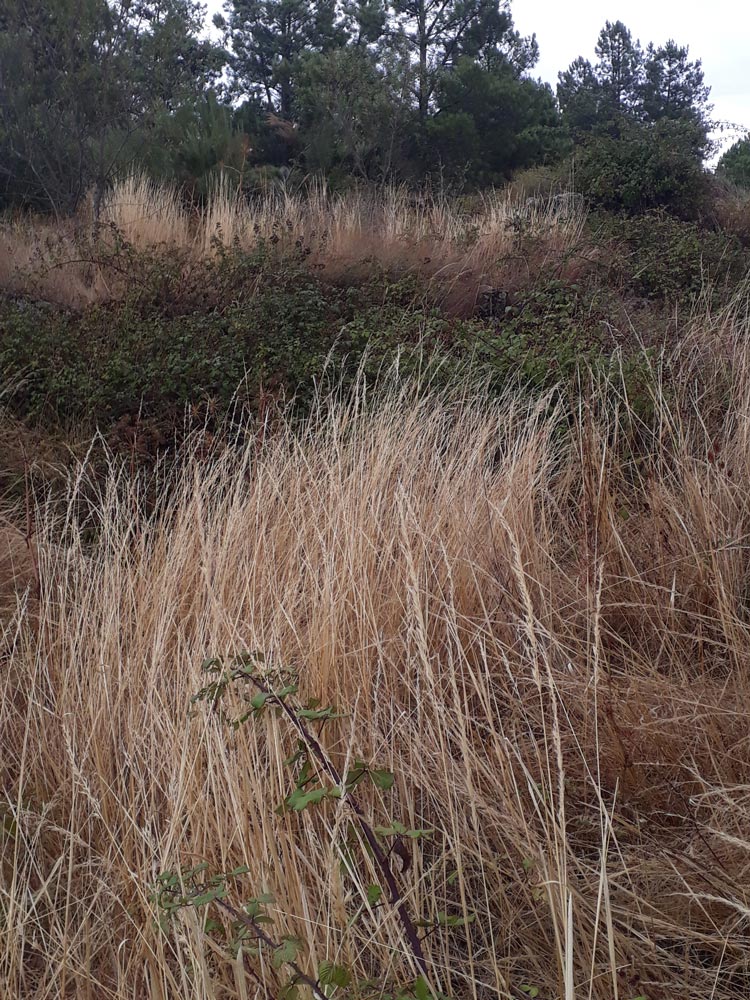
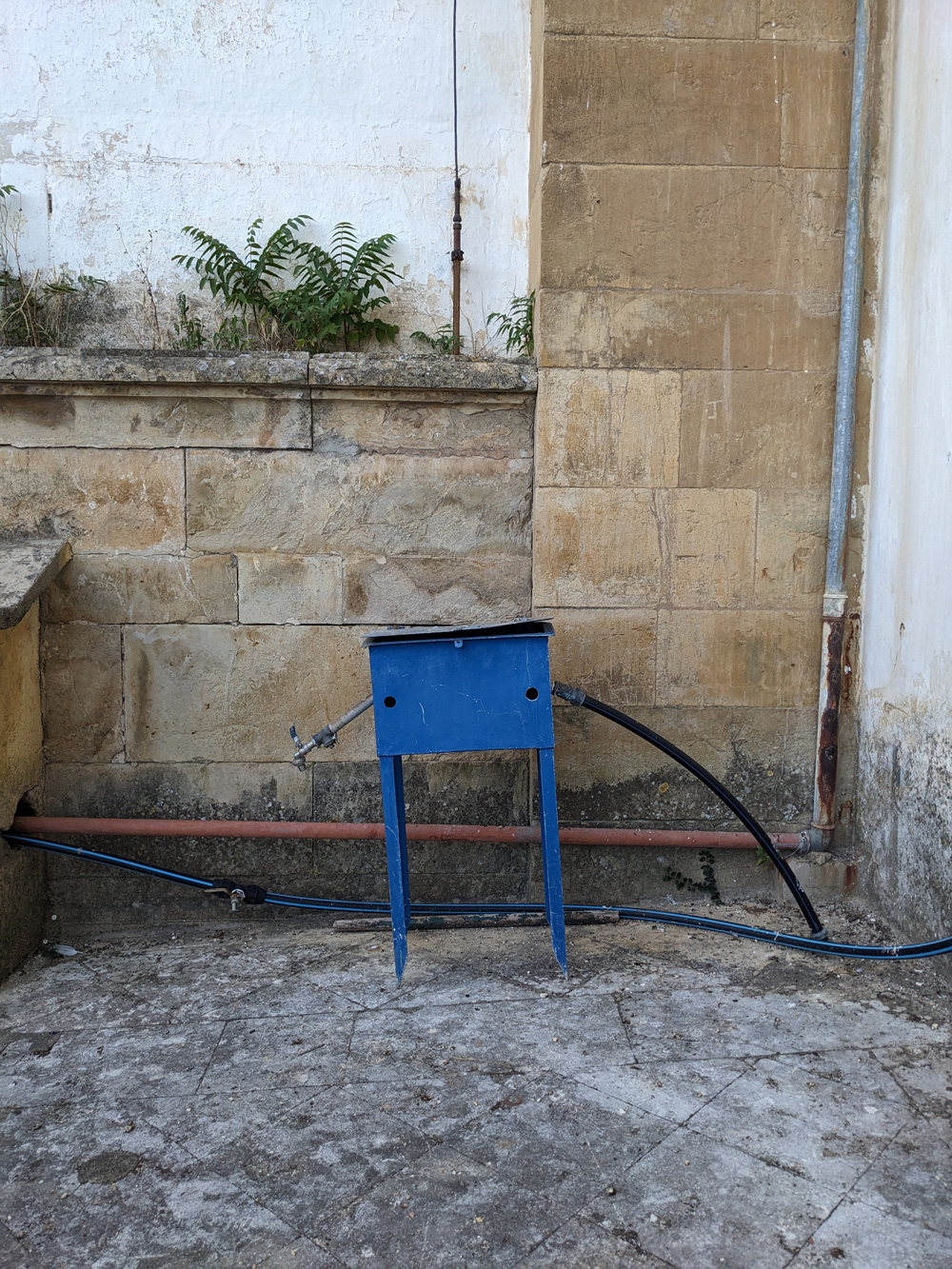
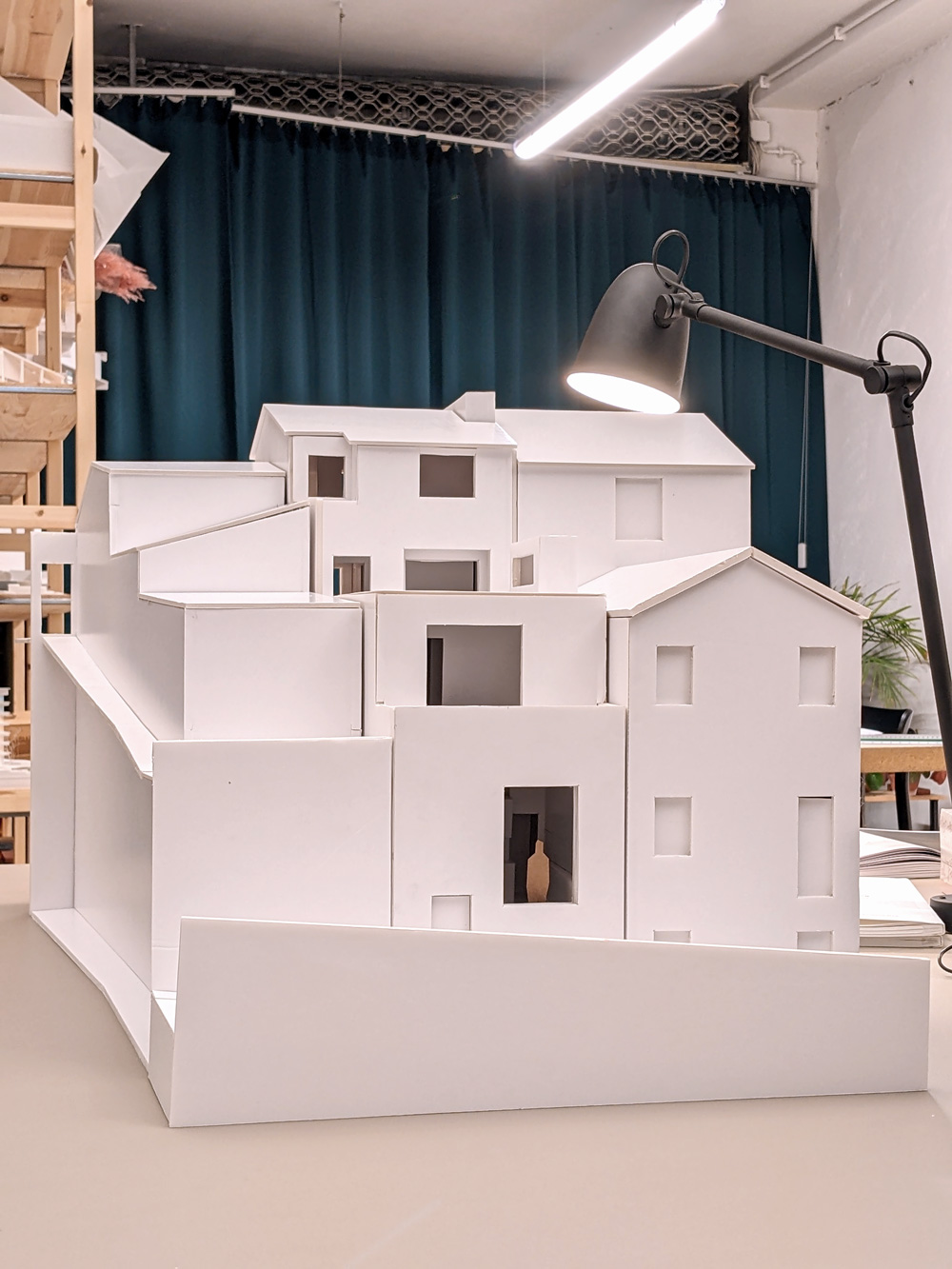
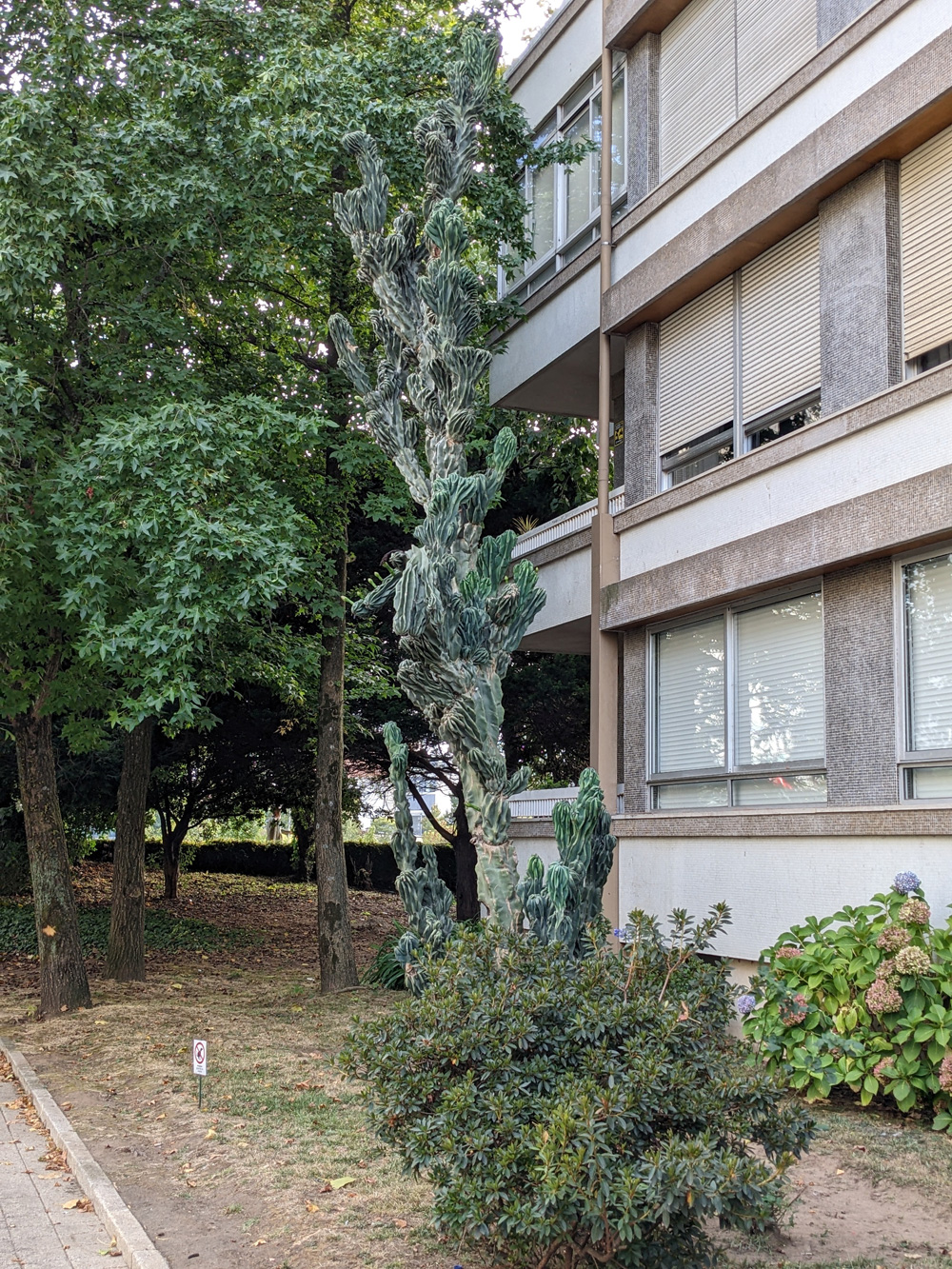
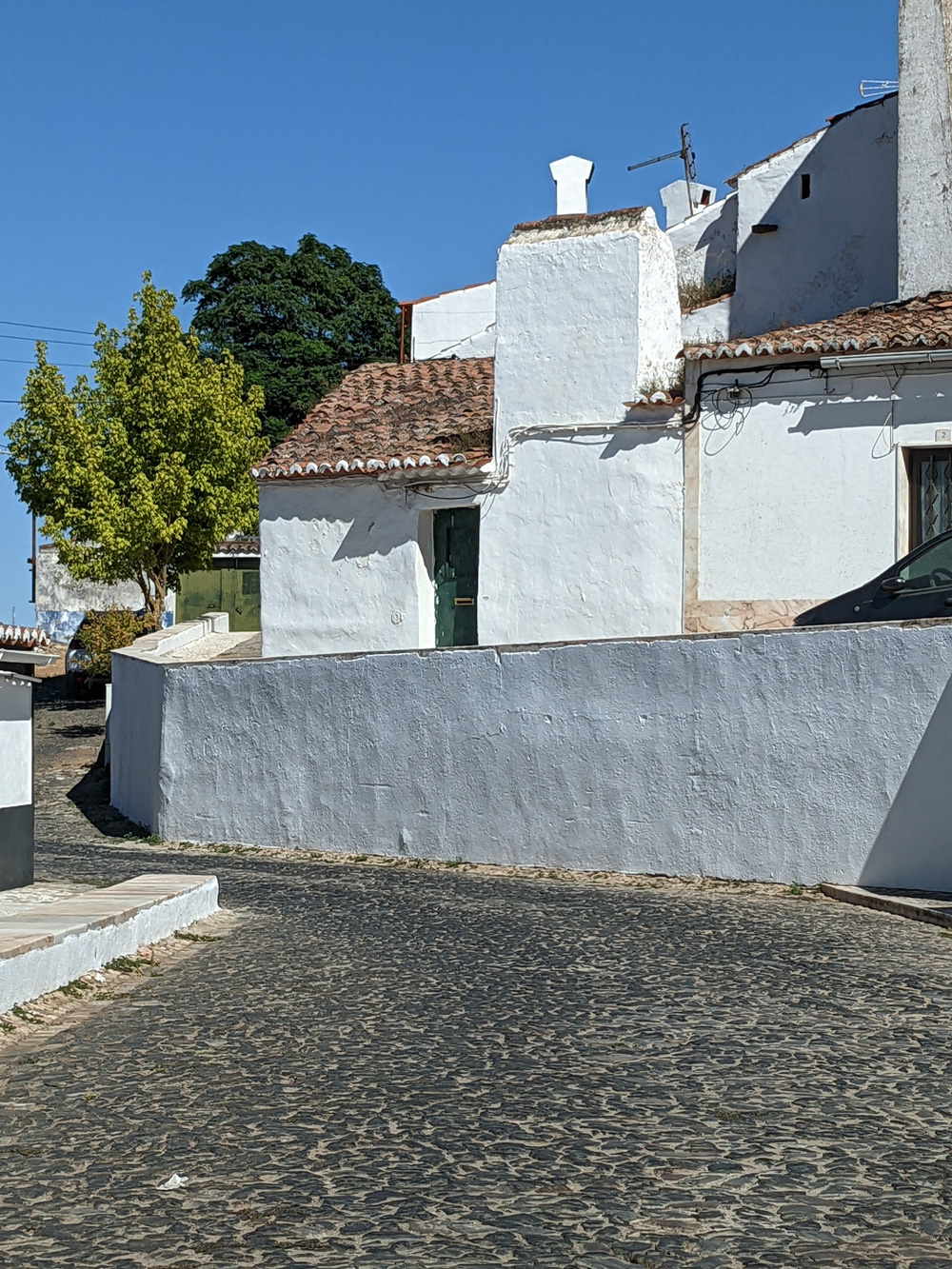
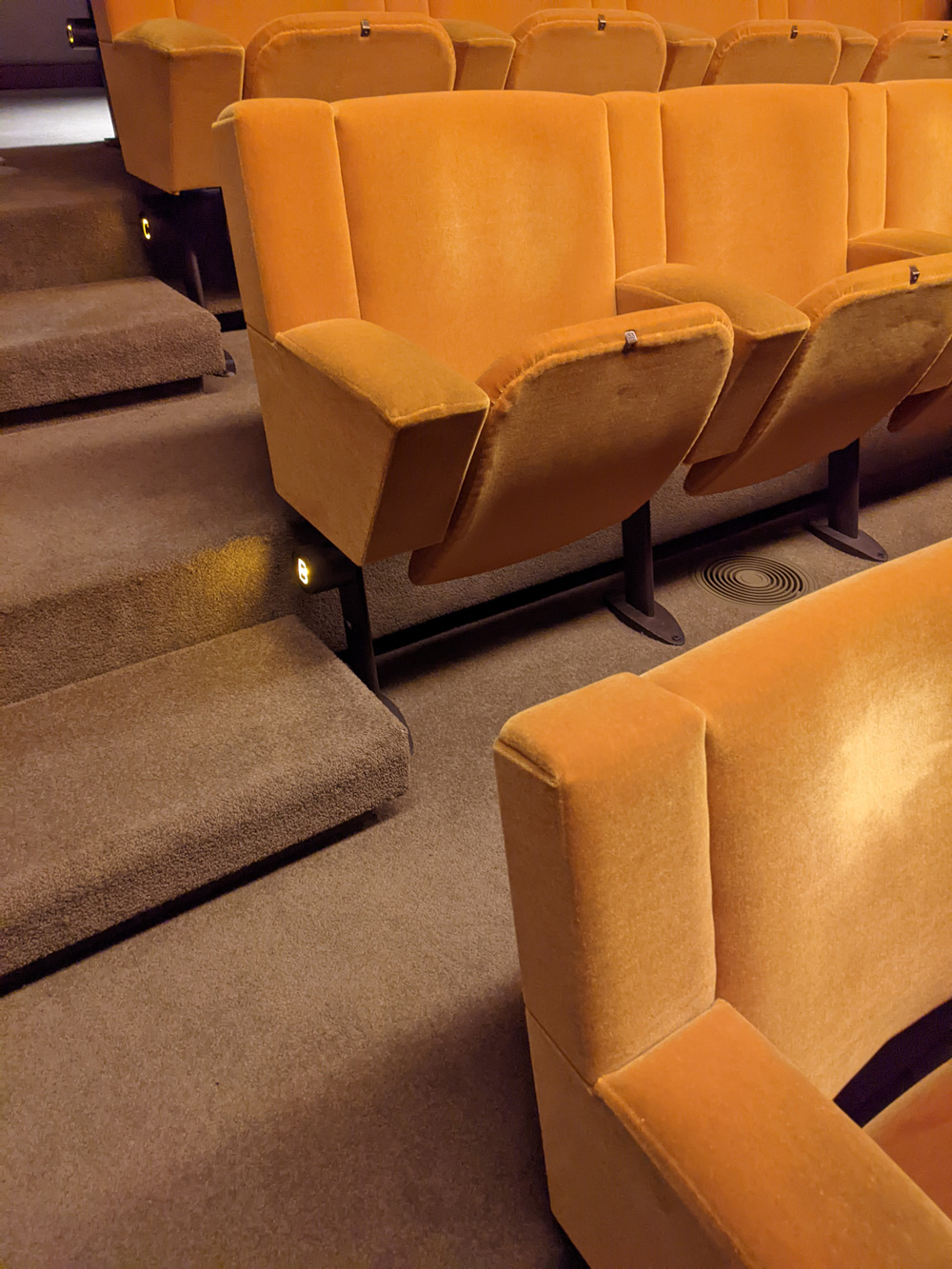
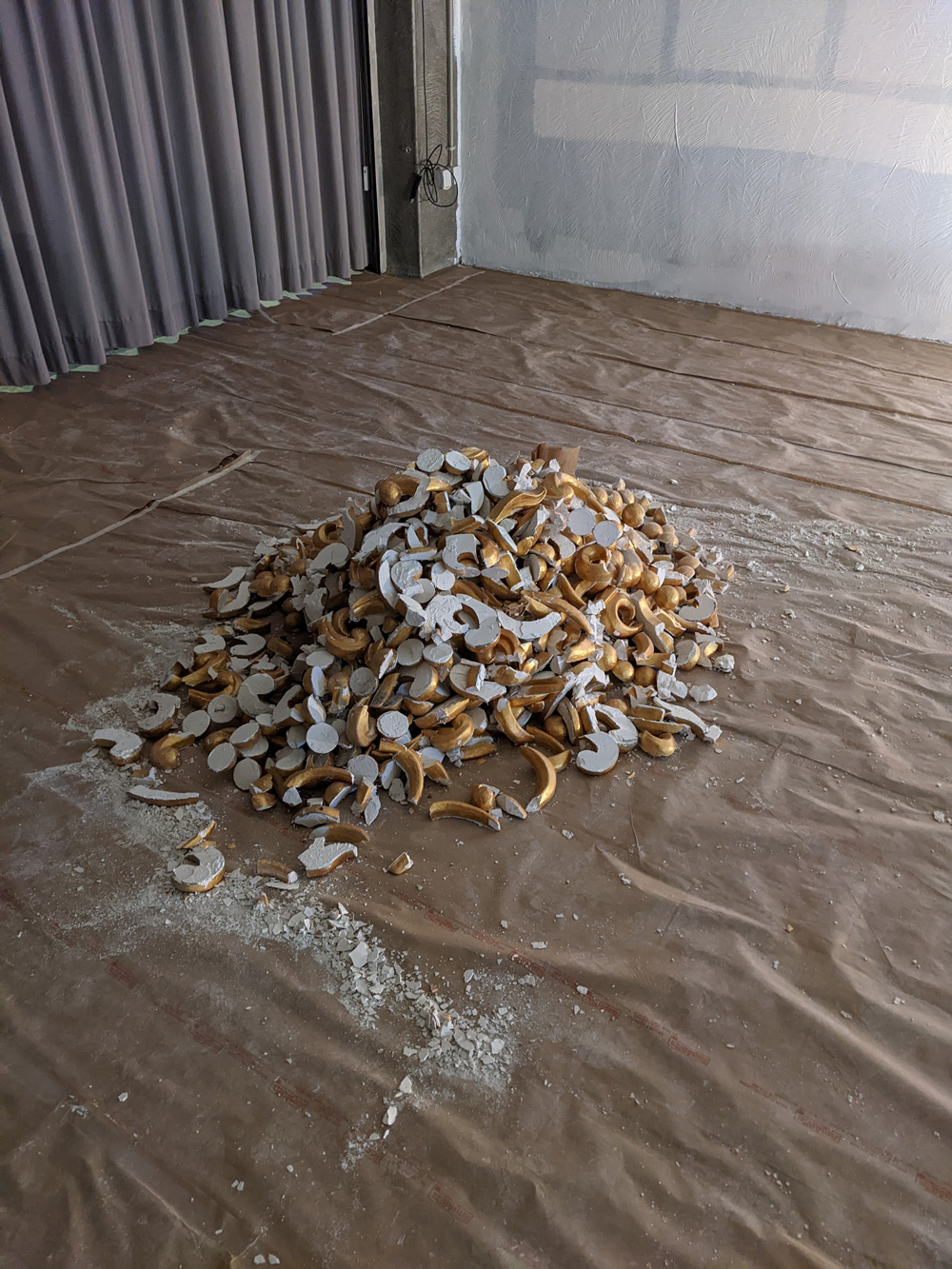
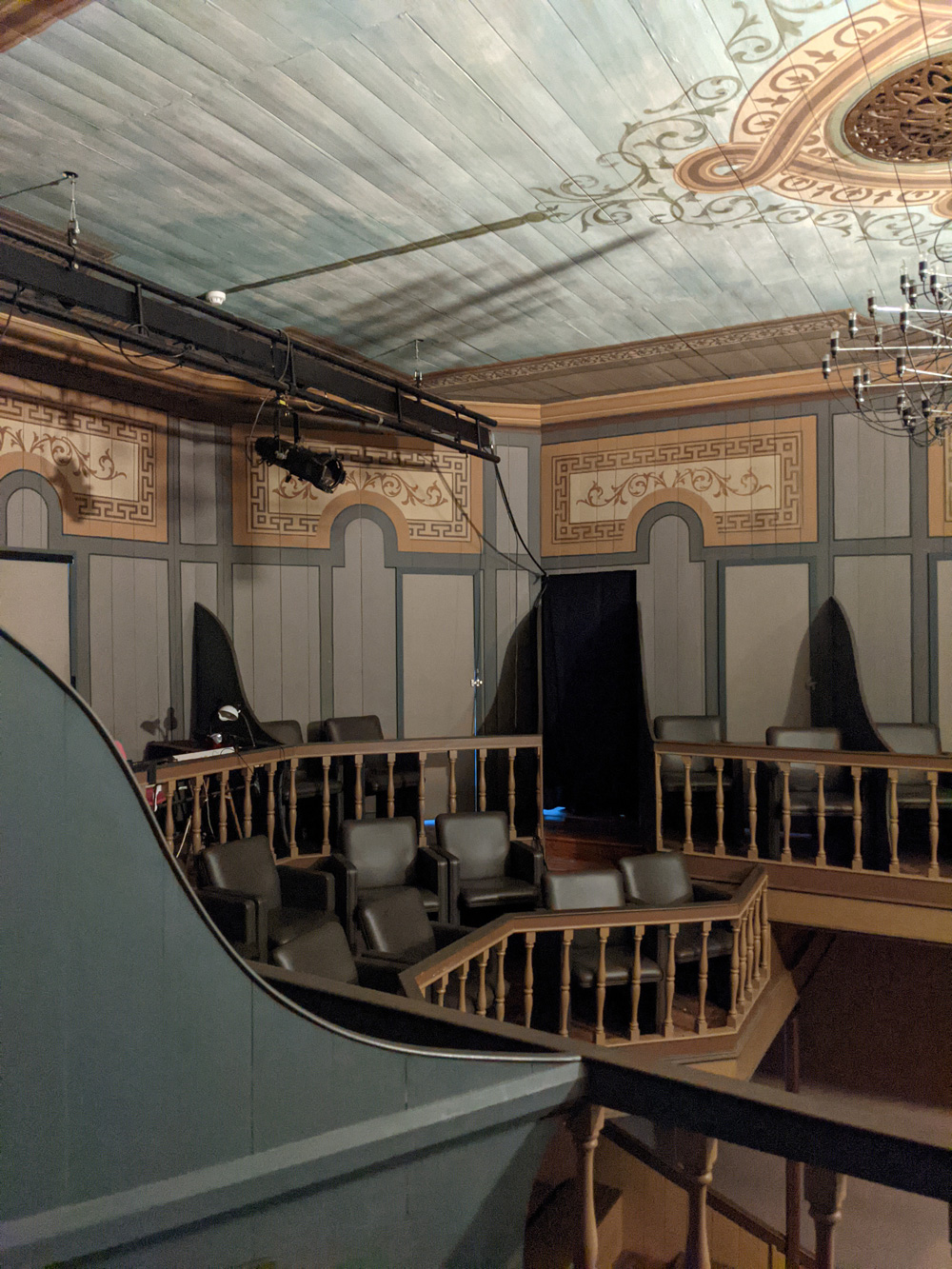
Instalação Viagem I
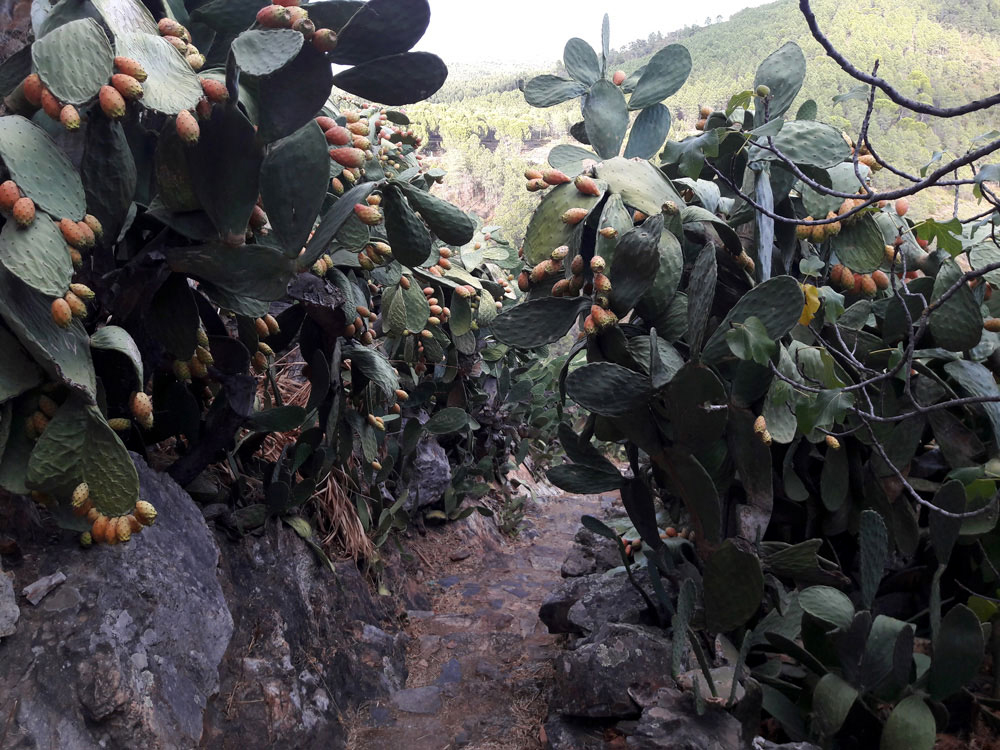
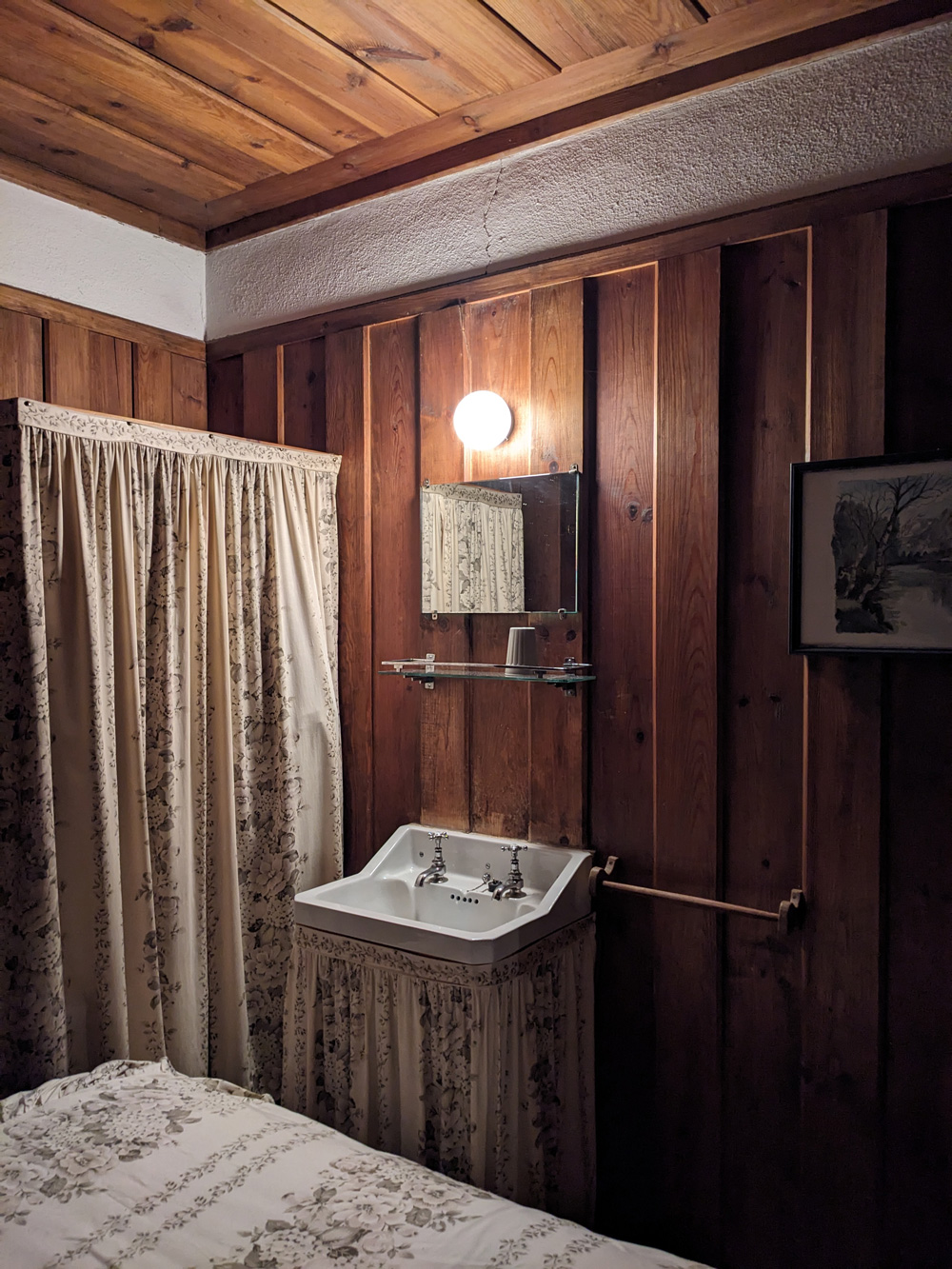
Exposição colectiva Volúpia I, 2016
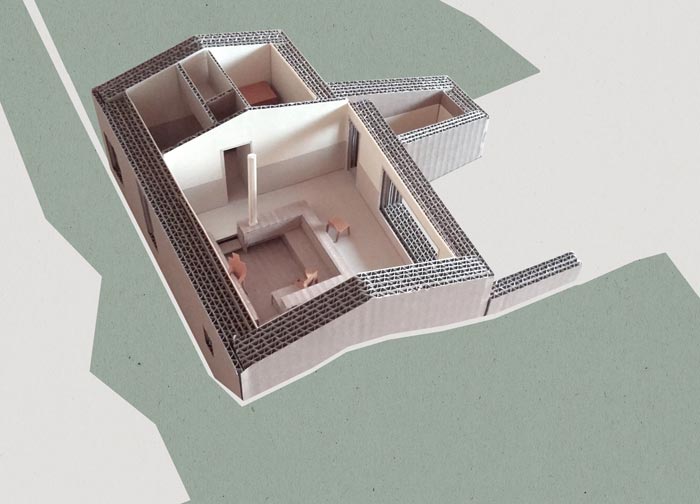
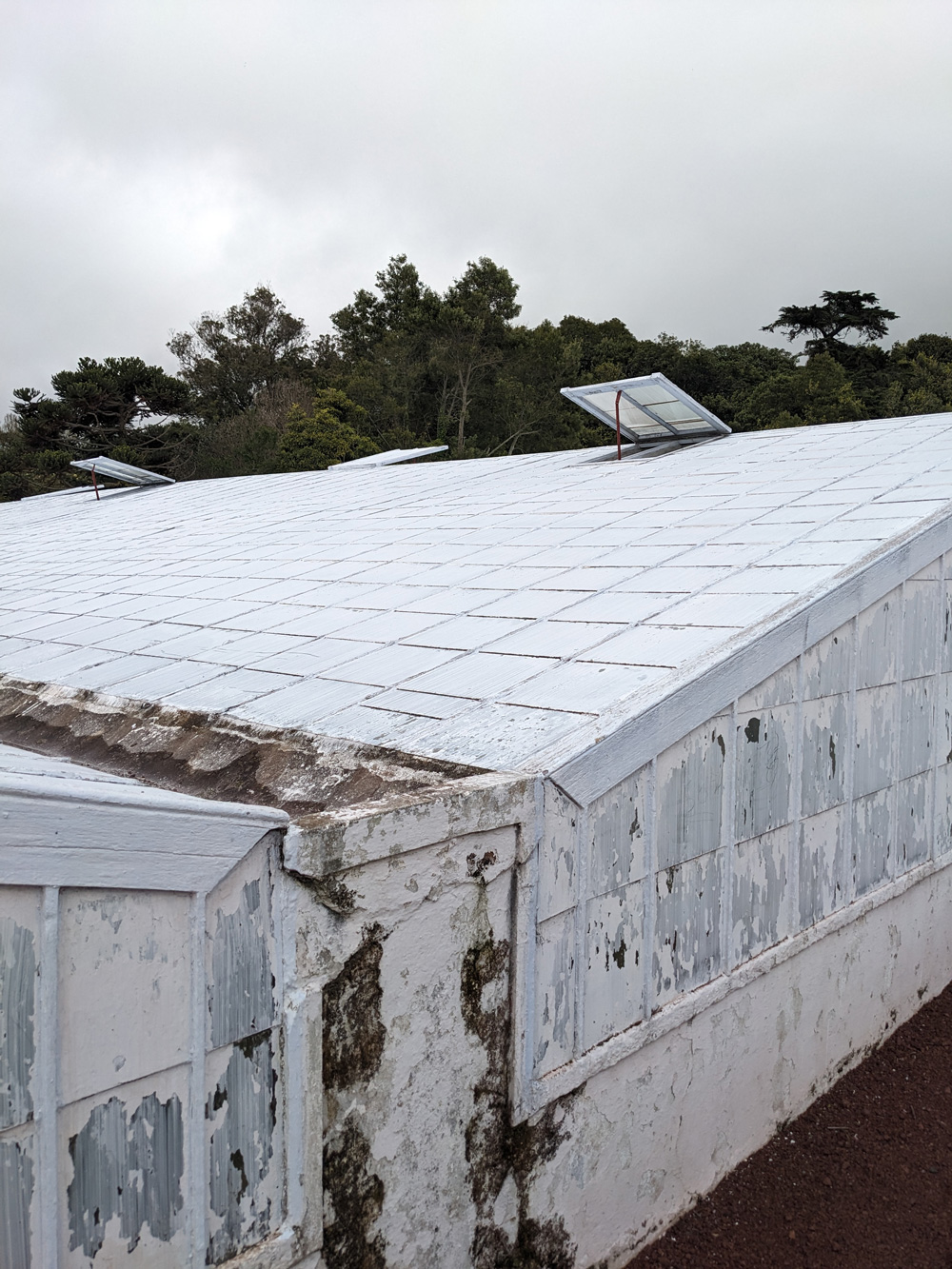
Capela Mortuária
Barrancos, 2019
Casa-atelier A26
Porto, 2015
Duque de Saldanha
Porto, 2019-21
Duque de Saldanha
Porto, 2019-21
Duque de Saldanha
Porto, 2019-21
Duque de Saldanha
Porto, 2019-21
Duque de Saldanha
Porto, 2019-21
Casa em Landim
Vila Nova de Famalicão, 2023-
Santos Pousada
Porto, 2023-24
Furamontes
Porto, 2024-
Santos Pousada
Porto, 2023-24
Casas na Rua da Glória
Porto, 2022-25
Escritório na Rua da Alegria
Porto, 2023
Santos Pousada
Porto, 2023-24
Hotel rural nas Penhas Douradas
Manteigas, 2022-
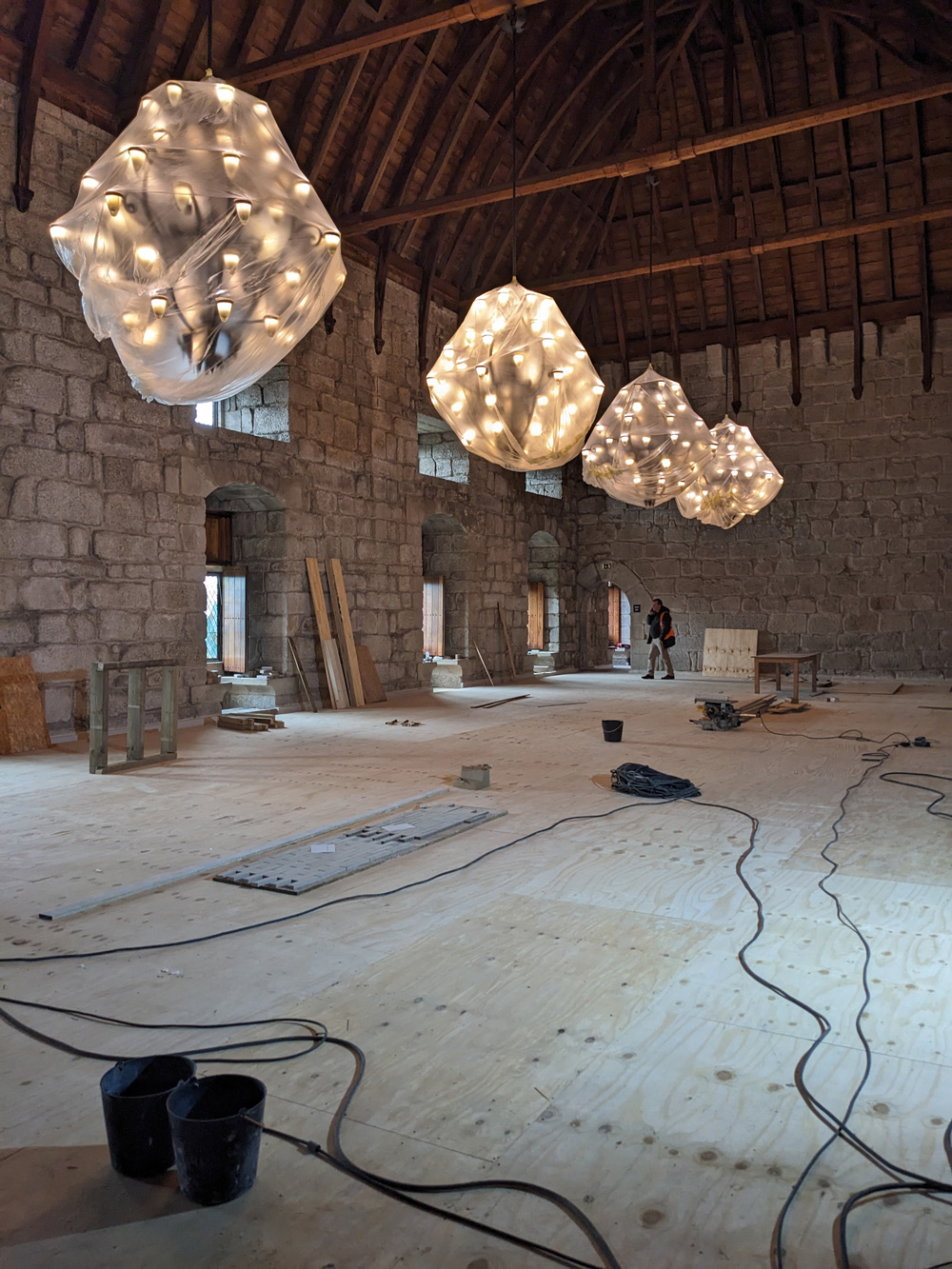
Paço dos Duques de Bragança
Guimarães, 2019-
Museu Alberto Sampaio (claustro)
Guimarães, 2021-25
Casas na Rua da Glória
Porto, 2022-25

FMVS is a team of architects committed to a relevant and sensitive practice. Aware of the over-stimulation that characterises contemporary life, we look to design buildings with perceptual solidity that offer stability and comfort for everyday activities.

We are fascinated by architecture that invites lengthy observation, capable of drawing our eyes towards its subtle presence, the care of its details, or its enigmatic character. We believe that this resilience, along with a careful choice of materials and suitable technical solutions, is key to the longevity of a building and, therefore, to its sustainability.

Our approach to each project is to give a precise response to the specifics of each brief and to the critical interpretation of the contexts in which they find themselves, particularly through a selective awareness of small customs, chances, and peculiarities that should be enhanced.


PT / EN

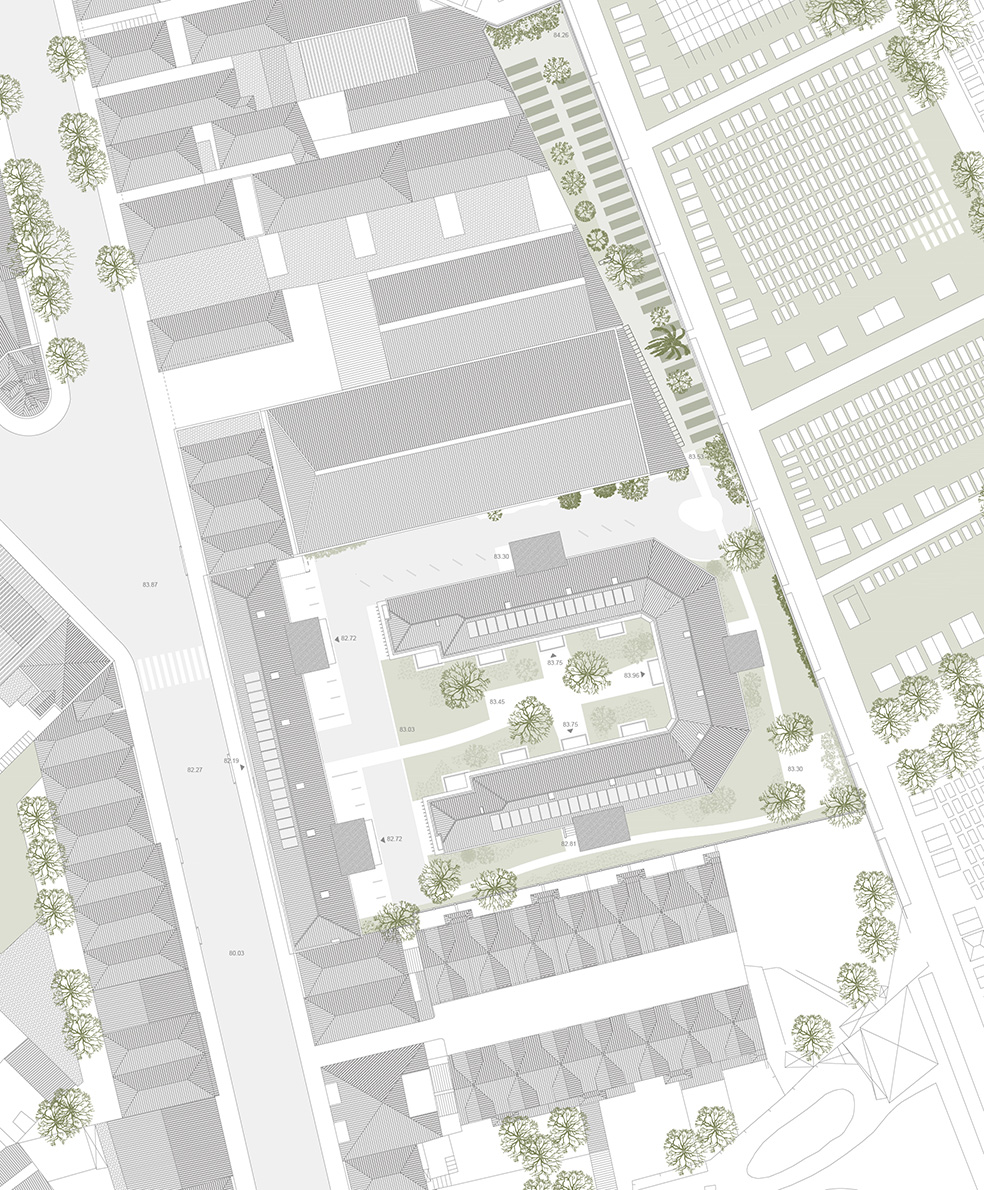
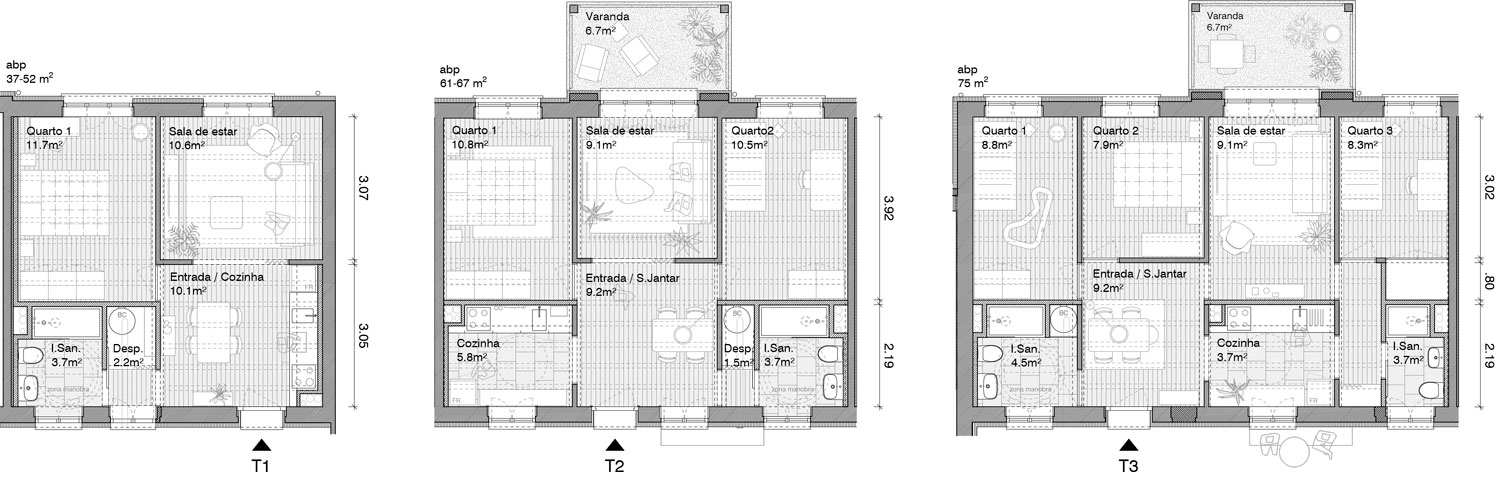
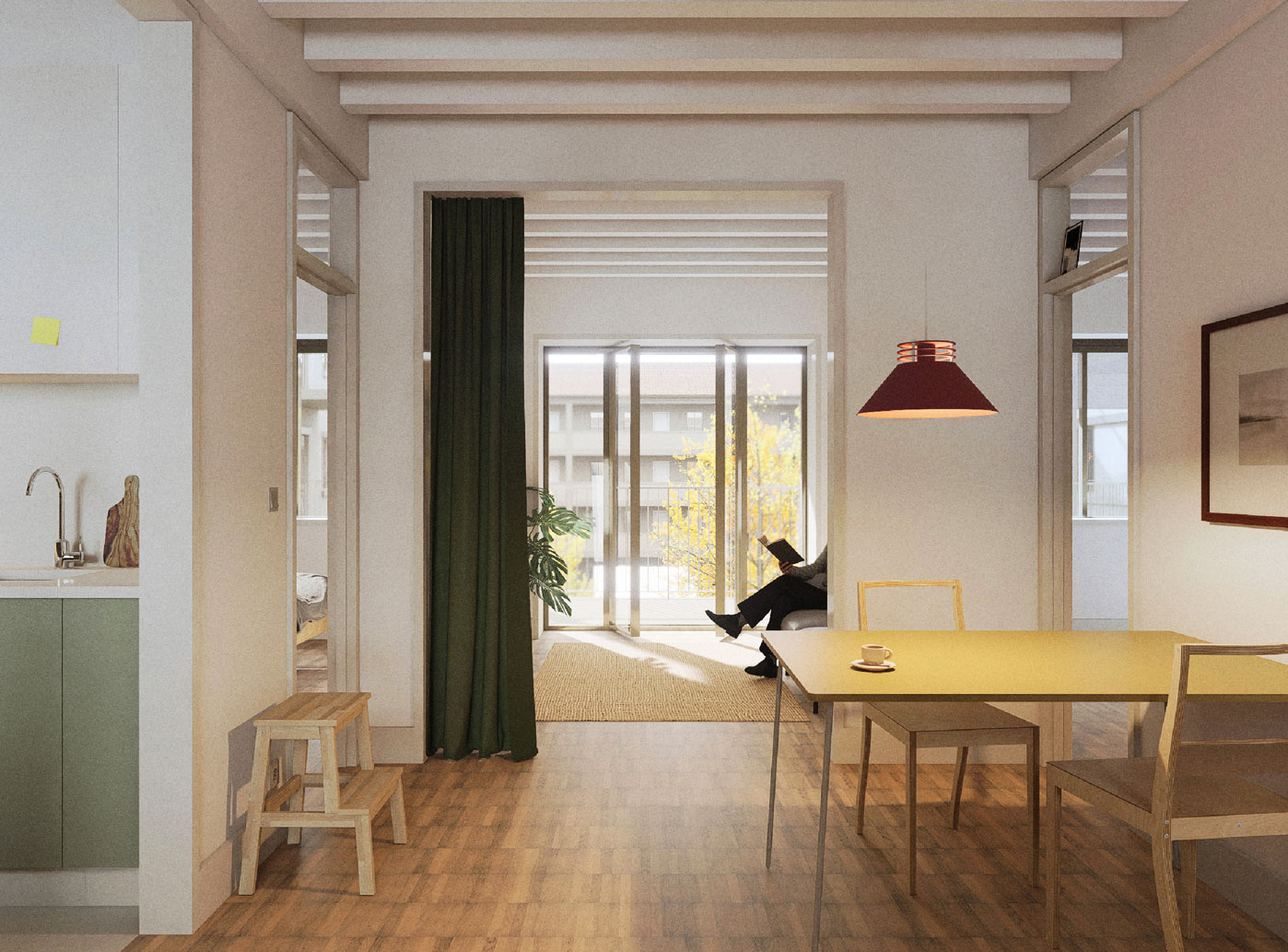
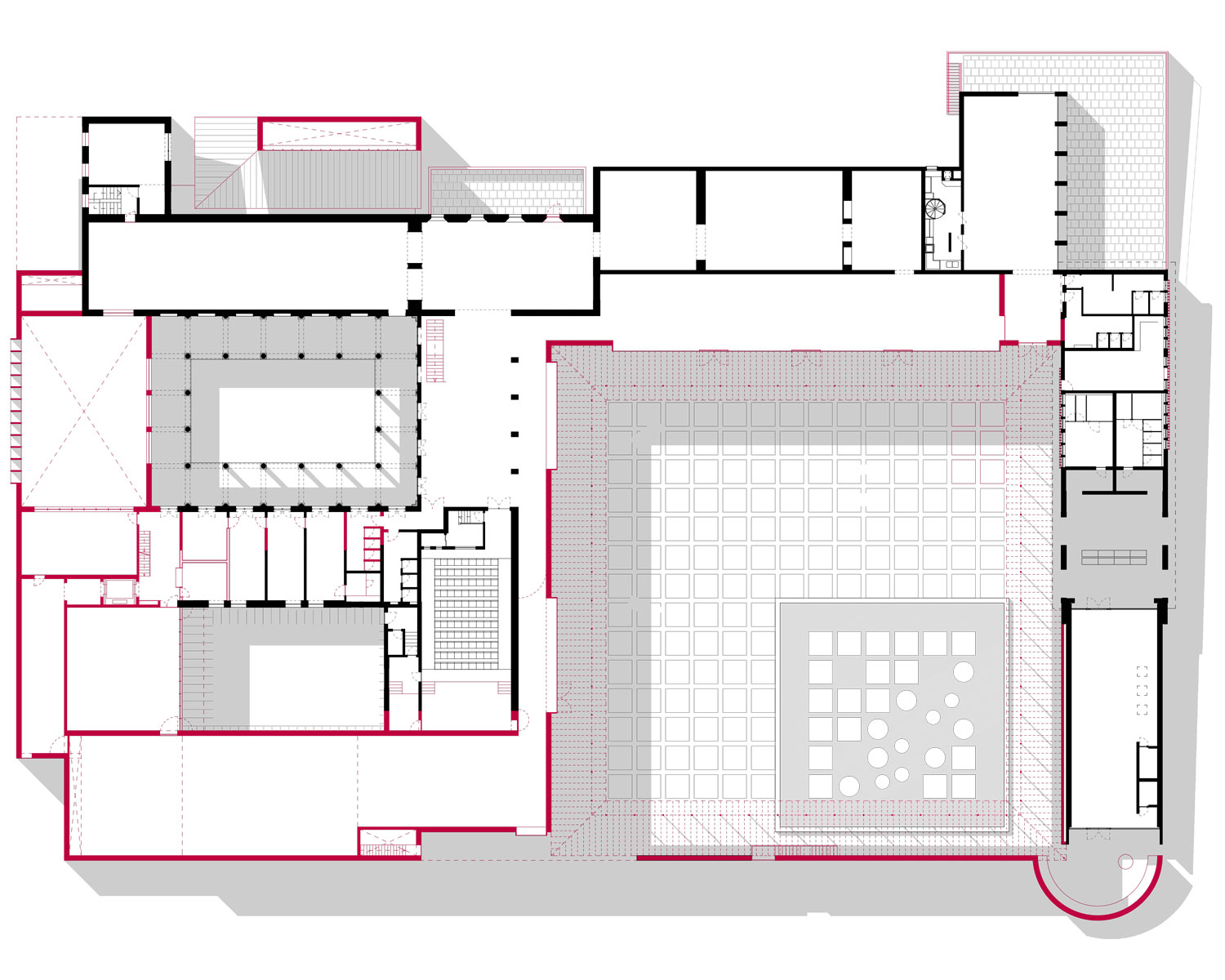
Bloco Duque de Saldanha
Porto, 2025

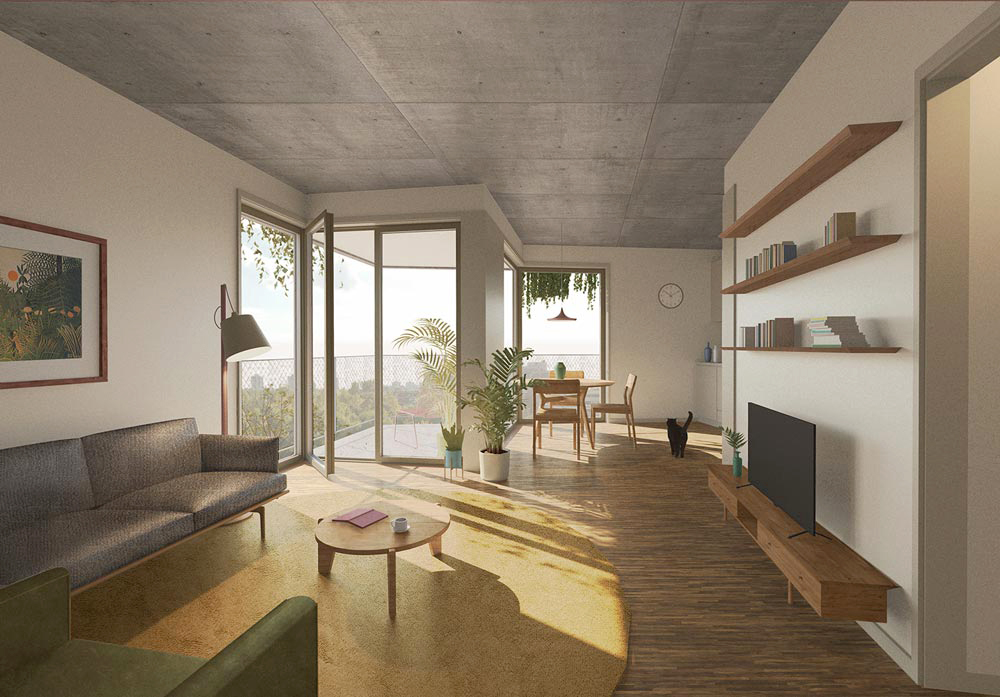
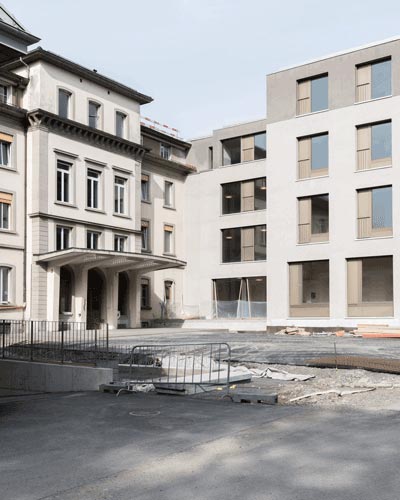
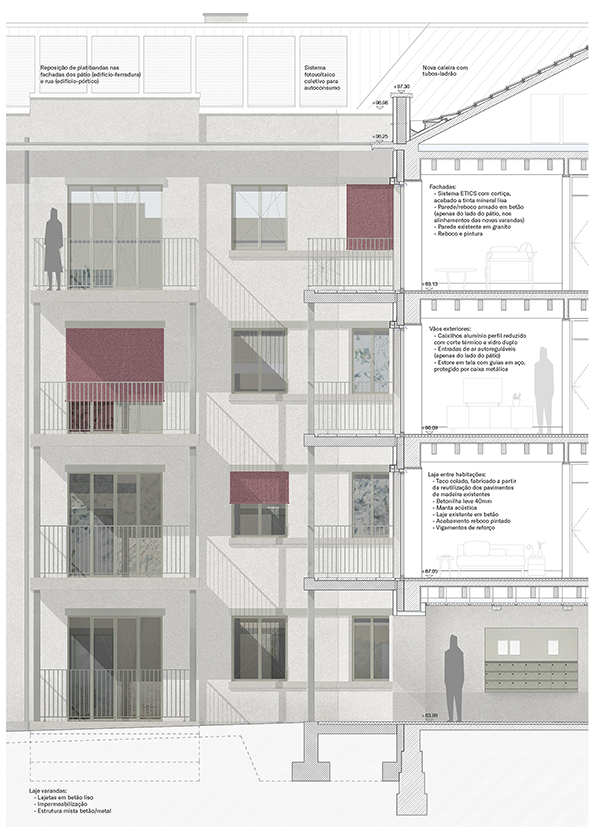
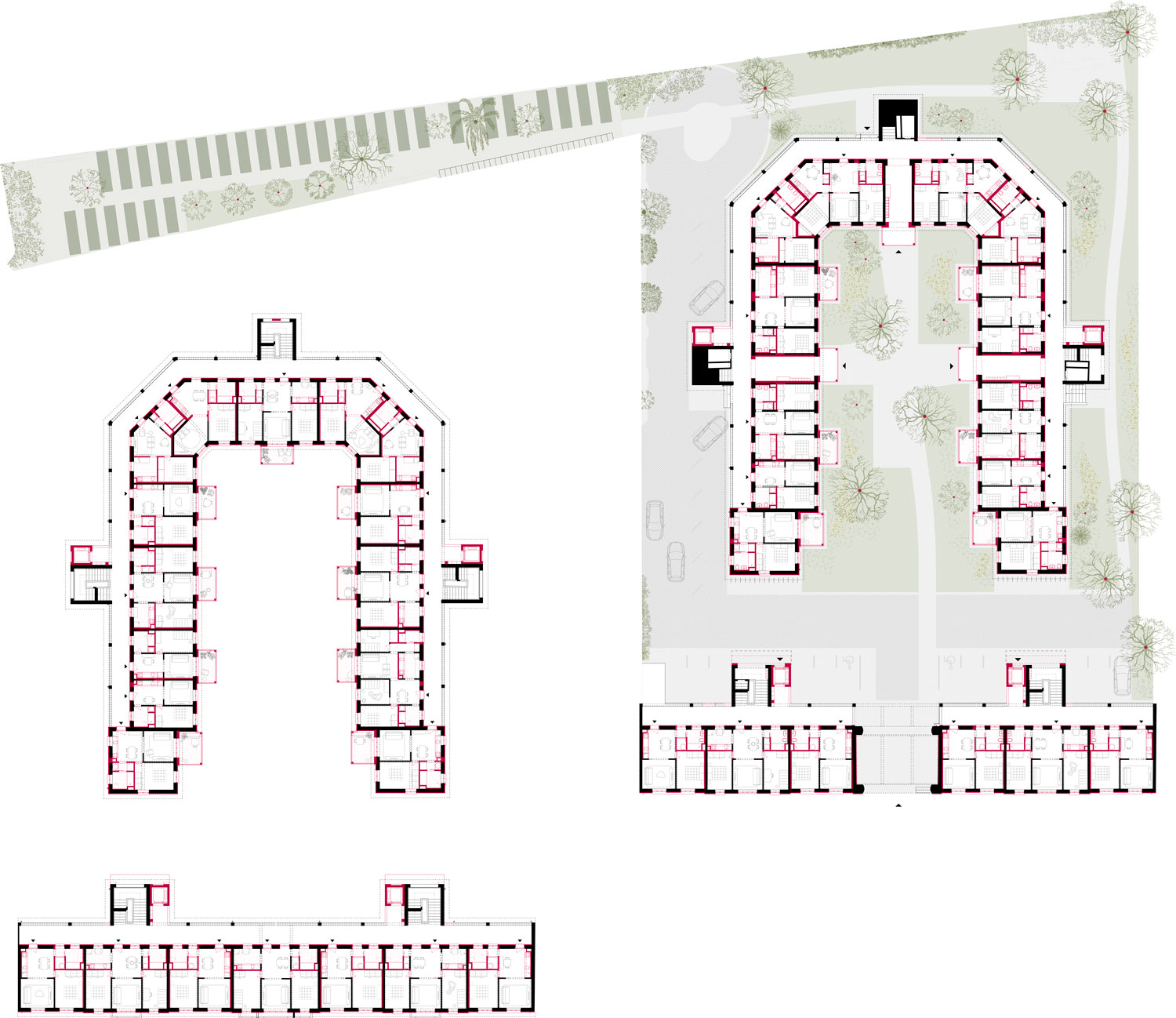
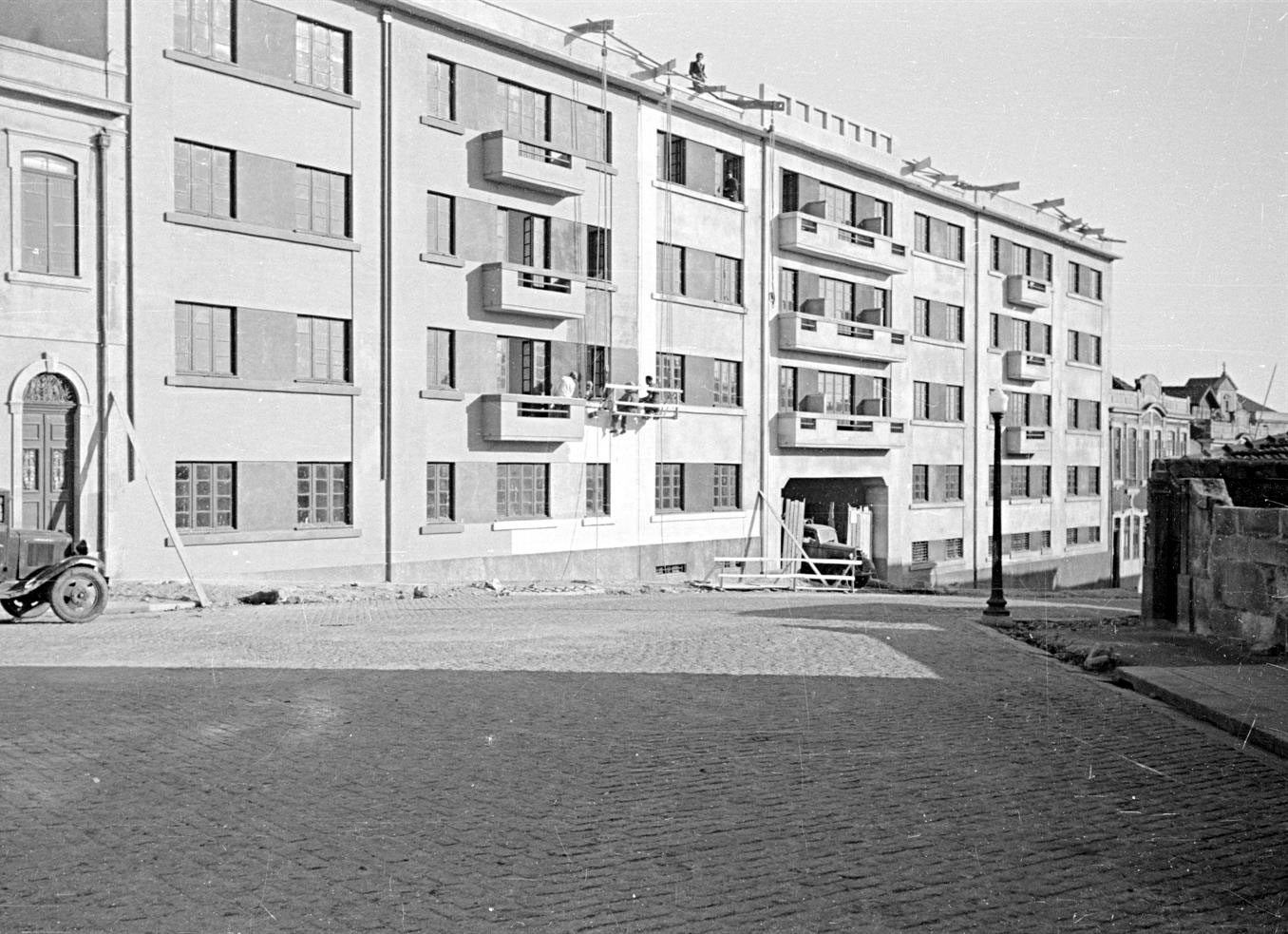
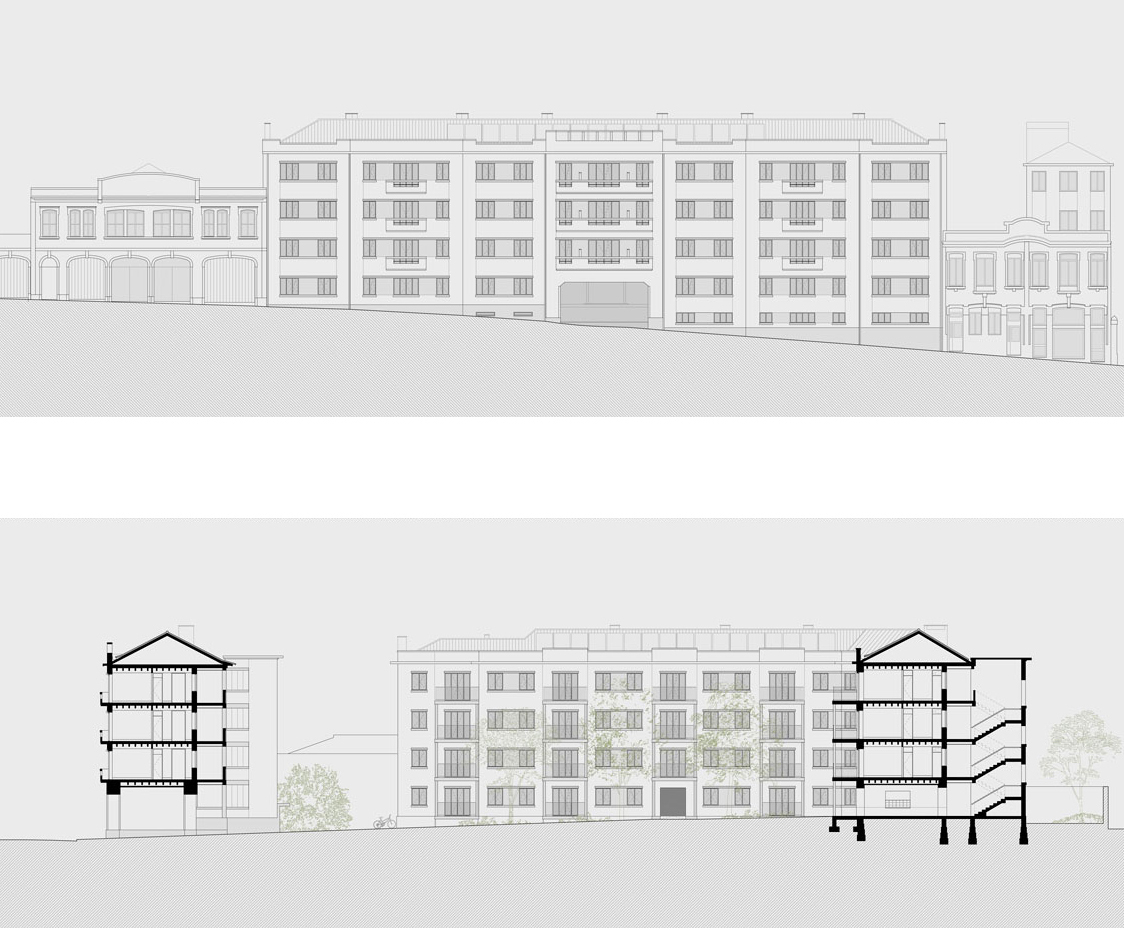
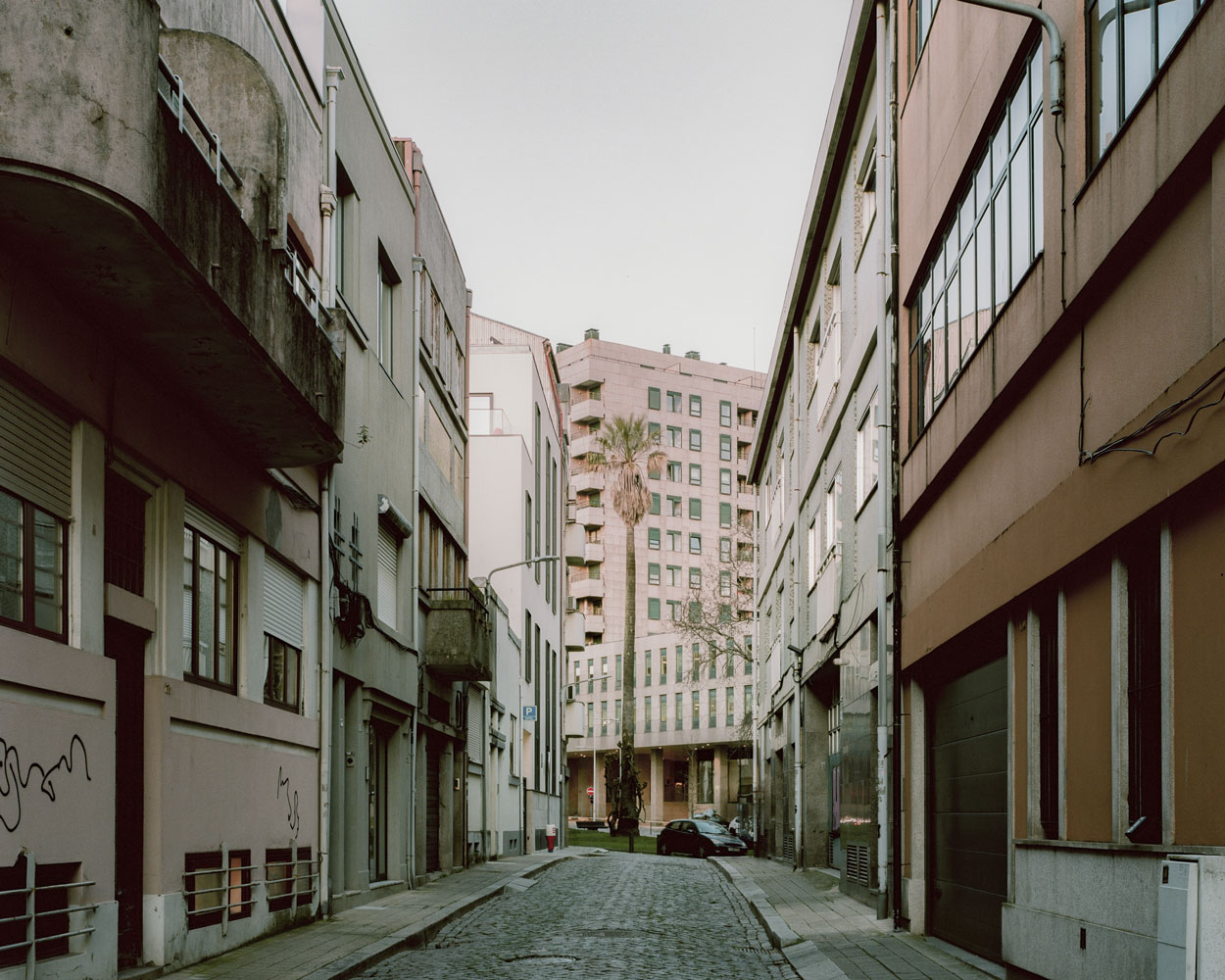
The complex is characterised by the duality between a linear urban façade, which shields the interior of the plot, whilst simultaneously revealing it to the public space through an axial gateway, inviting visitors to discover another environment within. This interior, which offers great potential for landscaping, has as its focal point the courtyard of the horseshoe-shaped building, which is currently entirely occupied by a car park. Our proposal transforms this courtyard into a space where access routes converge, becoming a meeting point and a space for contemplation. To this end, two new passageways are created at ground level, similar to the existing axial passageway, thereby shortening the length of the side wings and creating direct crossings from the courtyard to the galleries. These new passageways will also feature porticoes, which become covered balconies on the upper floors; this alteration introduces variation into the elevation and breaks up its rigidity, lending it a friendlier and more open character.


Architecture FMVS
Consultants SOPSEC/NILUFT

Competition, org. Domus Social / Município do Porto
3rd place
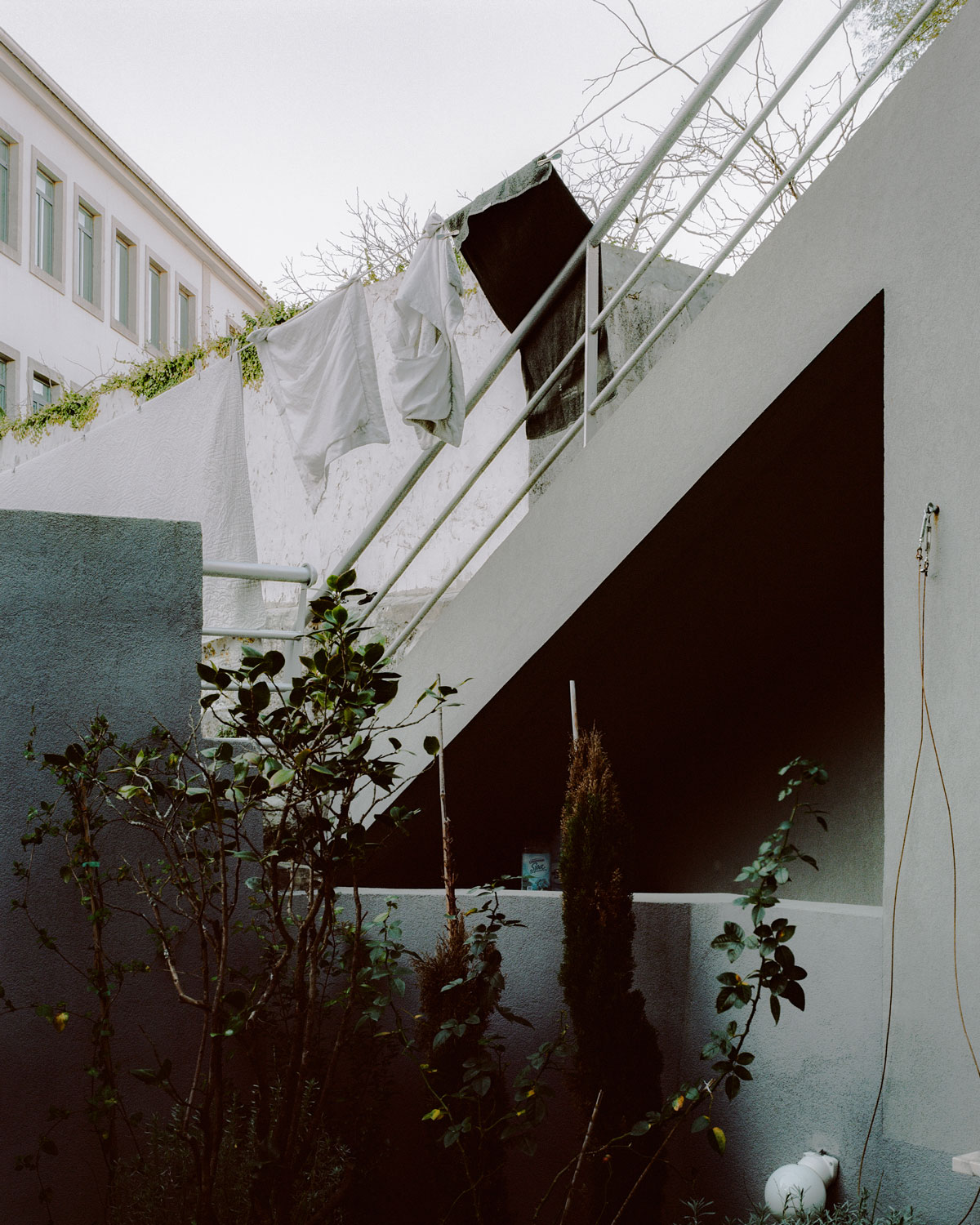
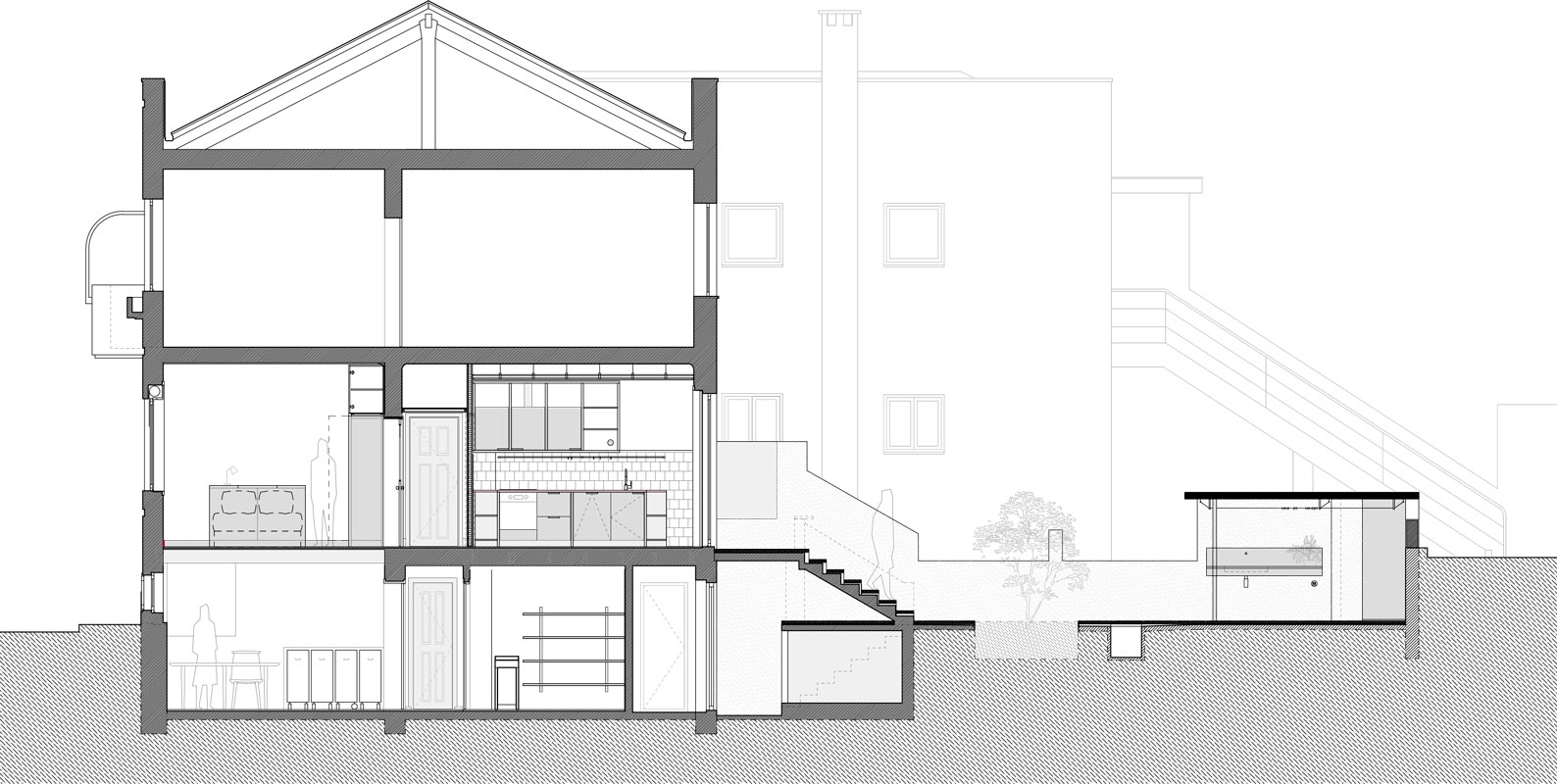
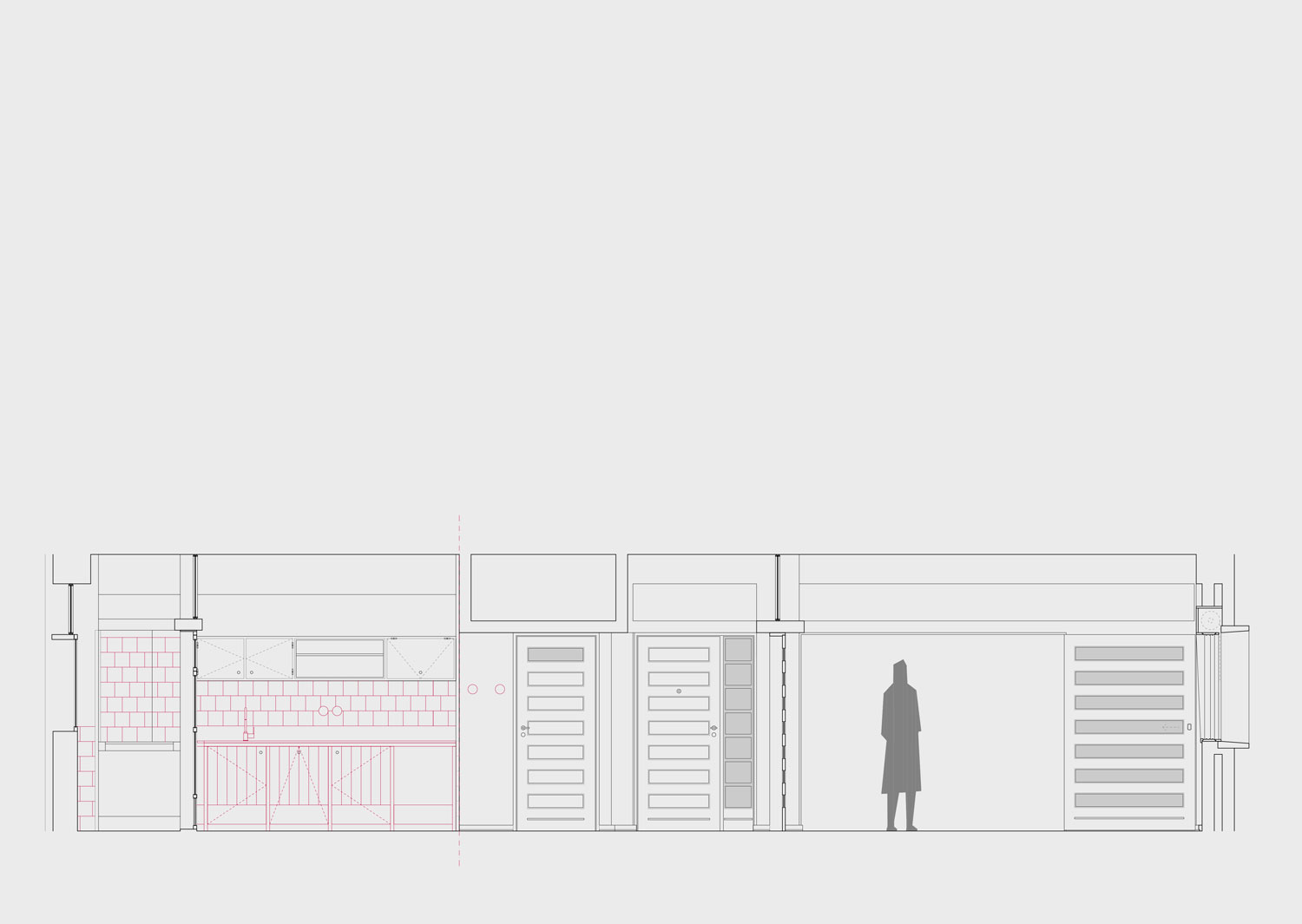
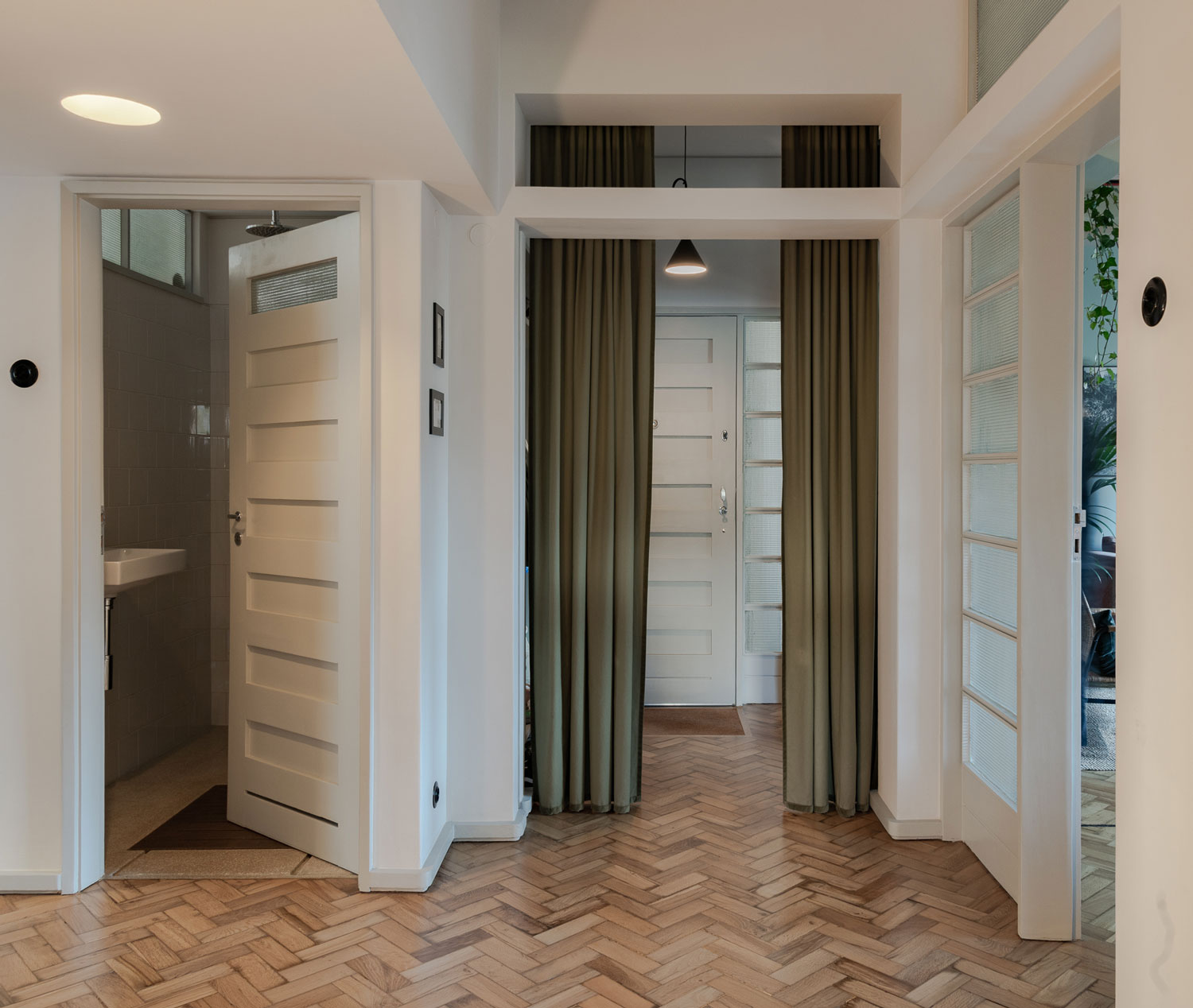
Apartamento em Rodolfo Araújo
Porto, 2021-24

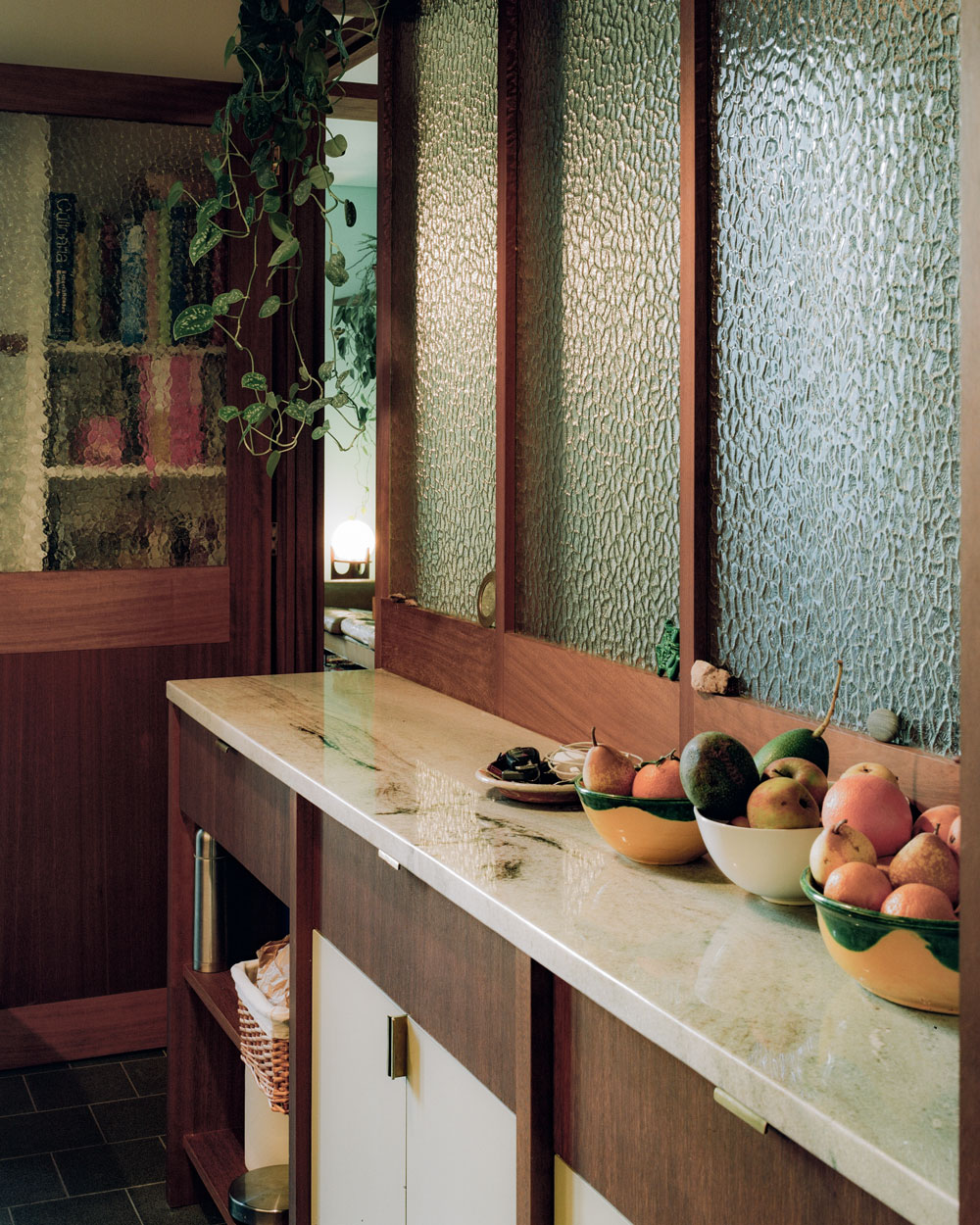
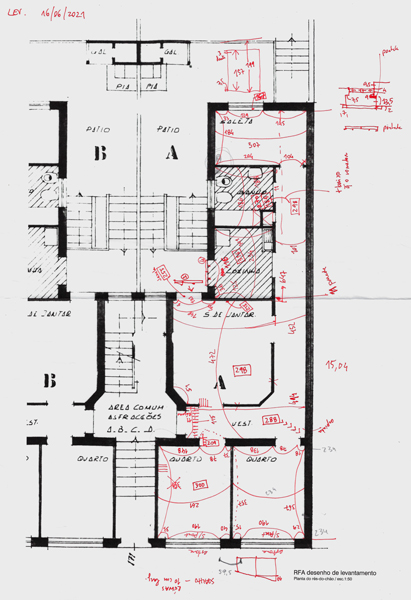
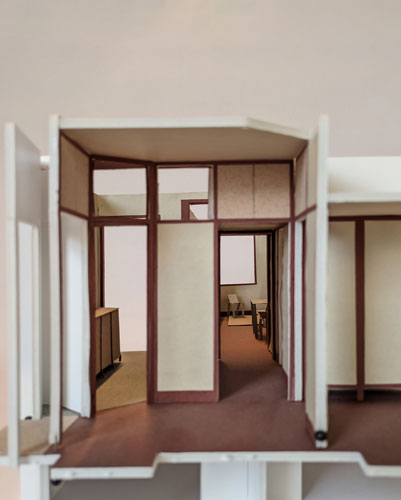
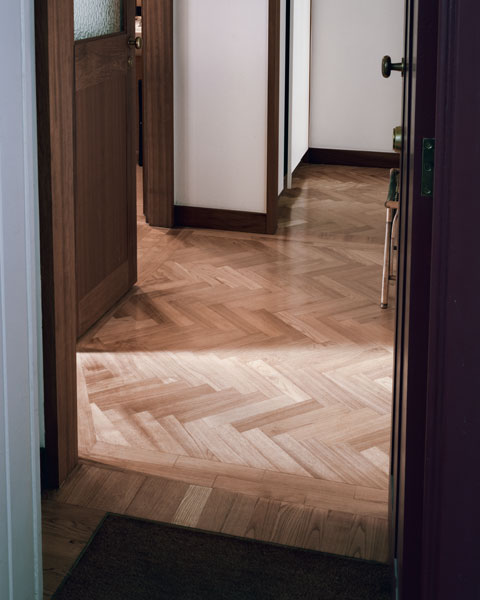
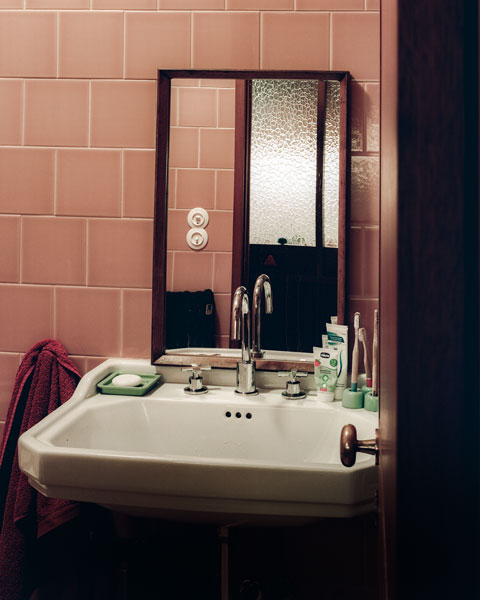
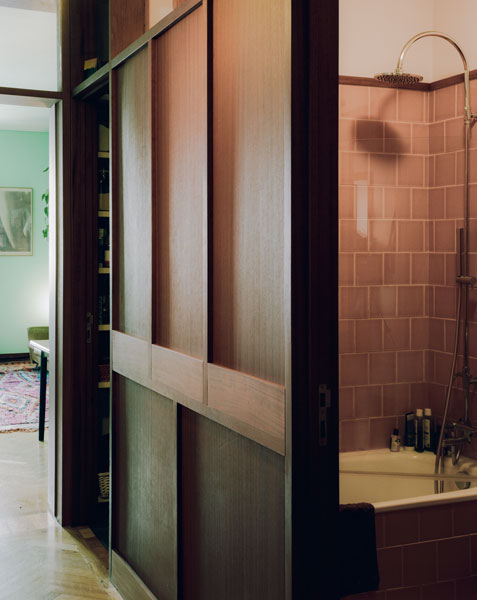
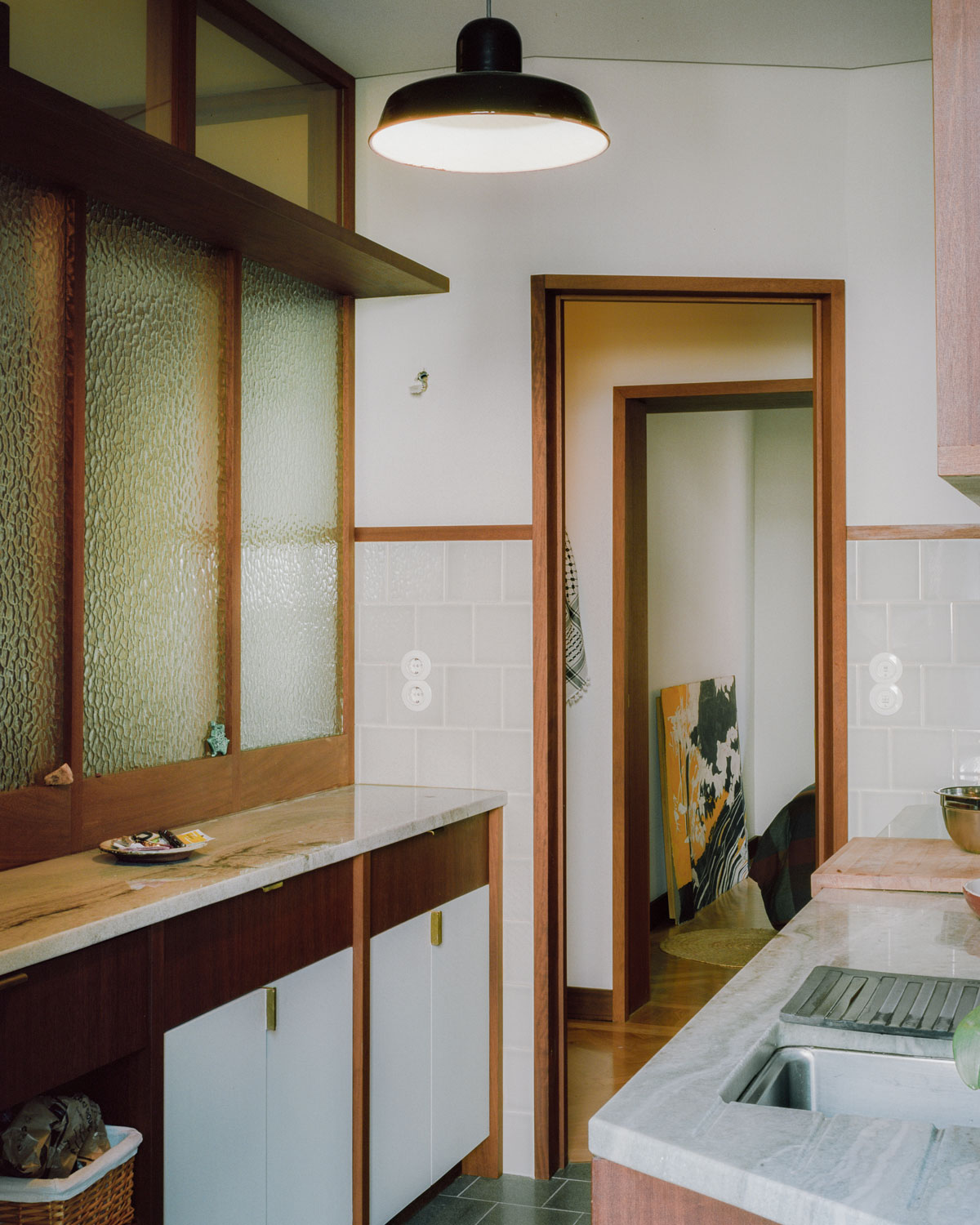
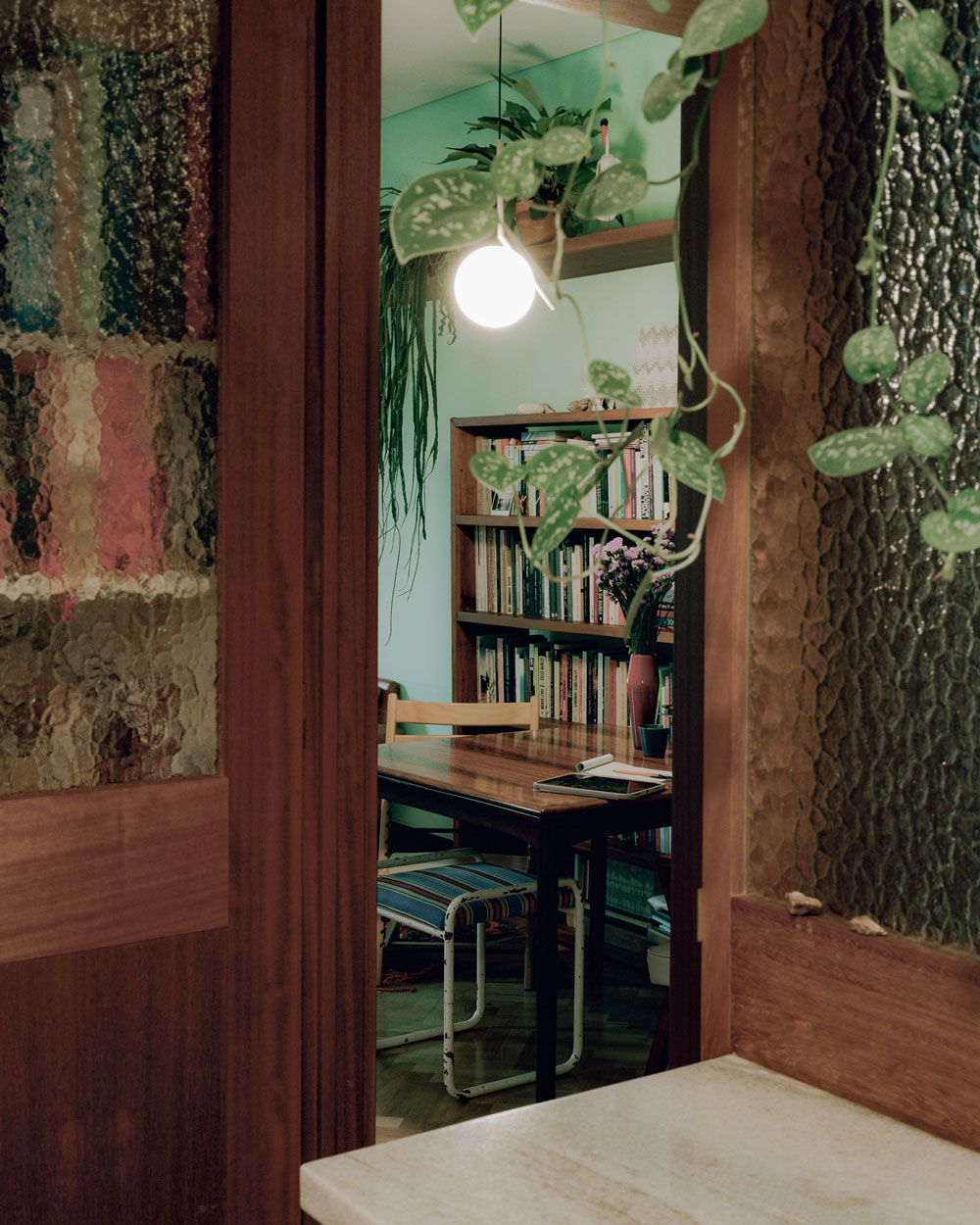
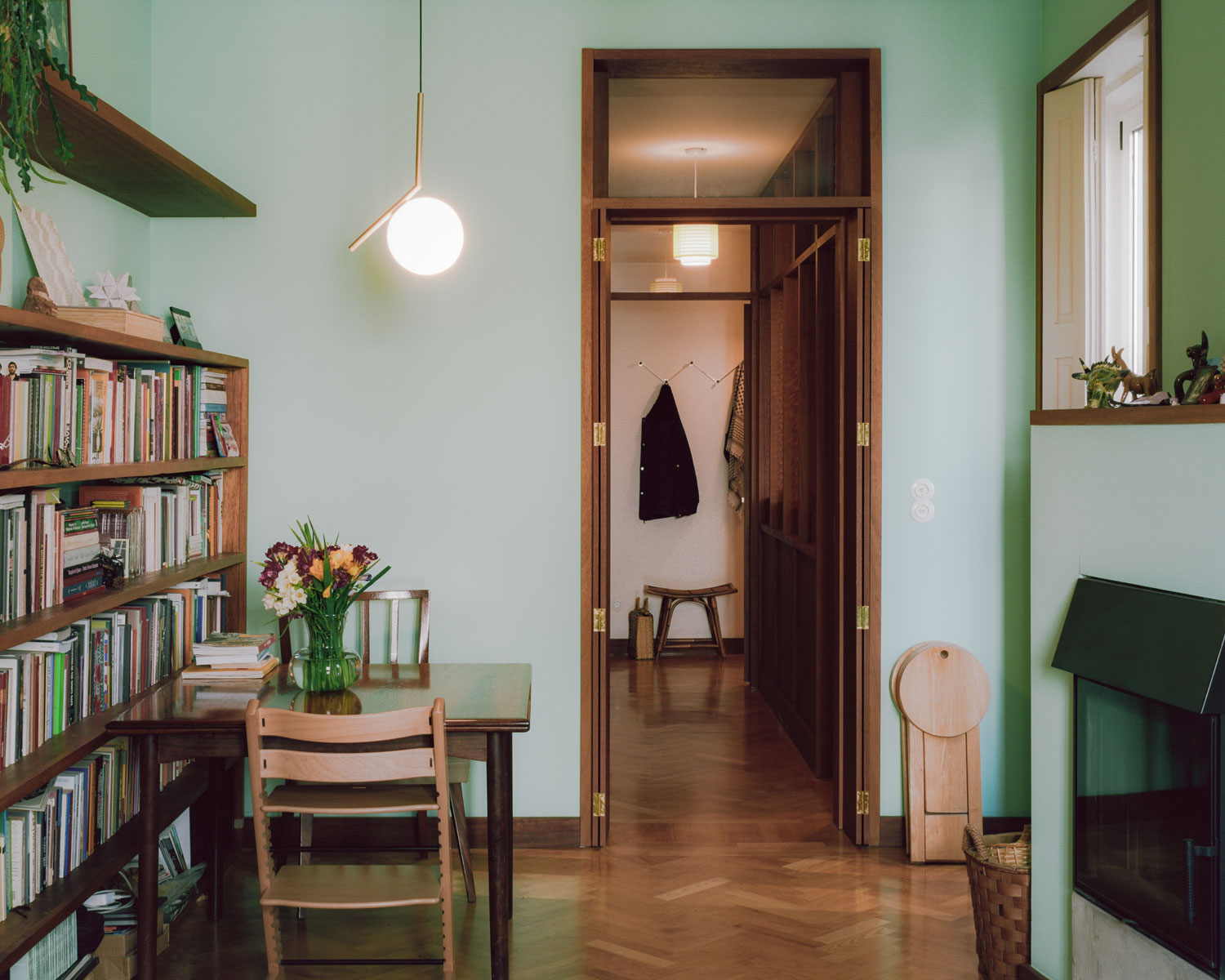
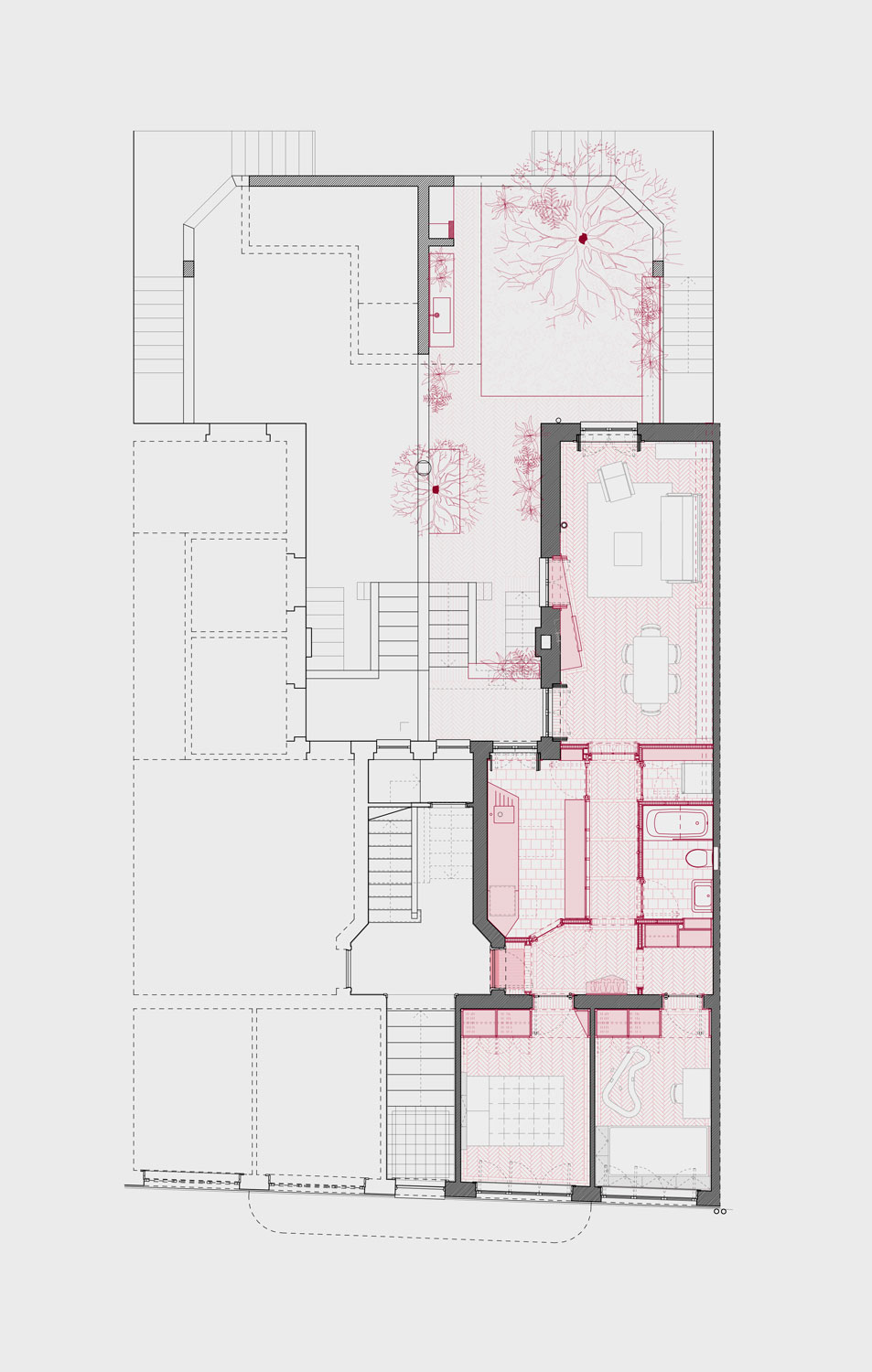
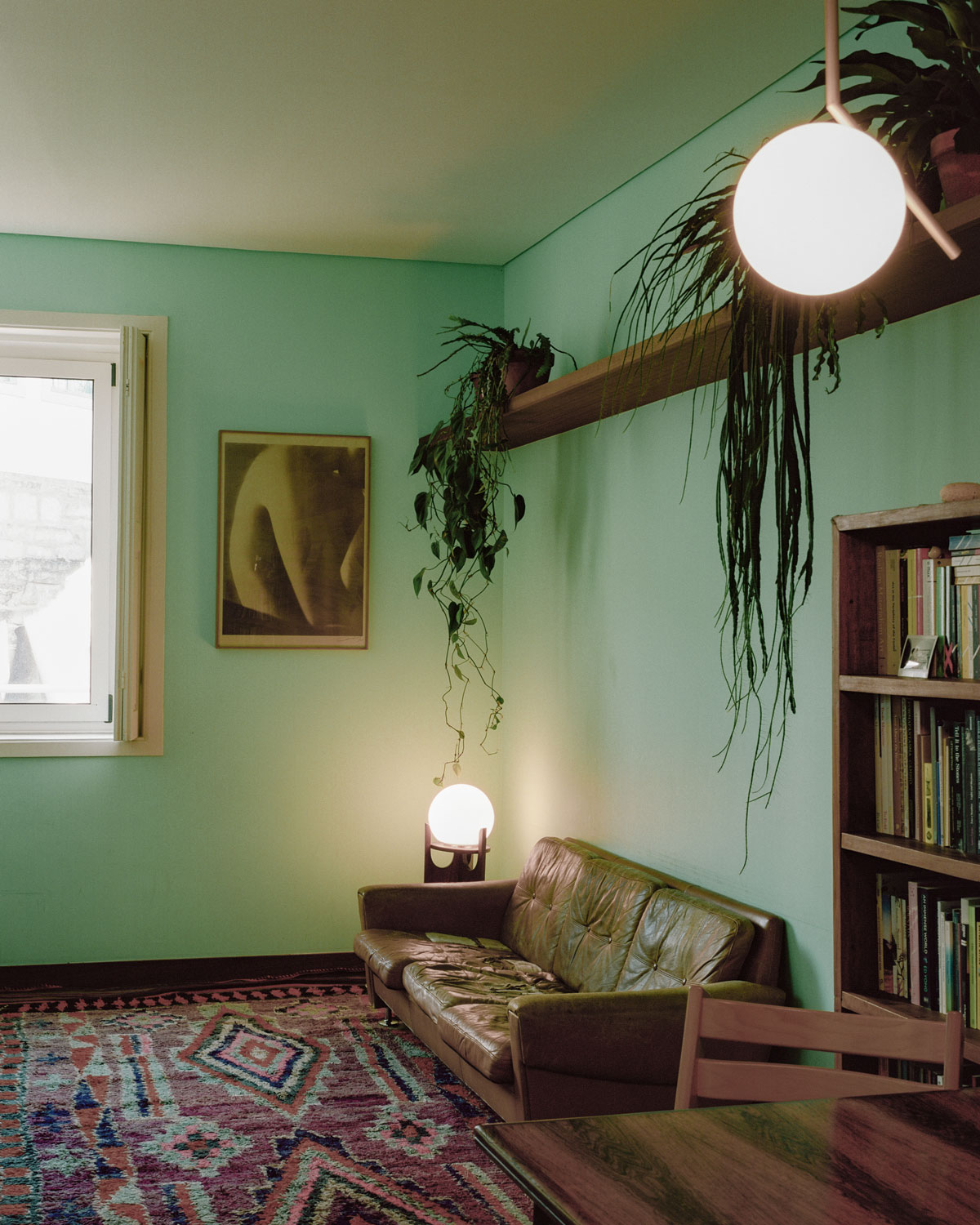
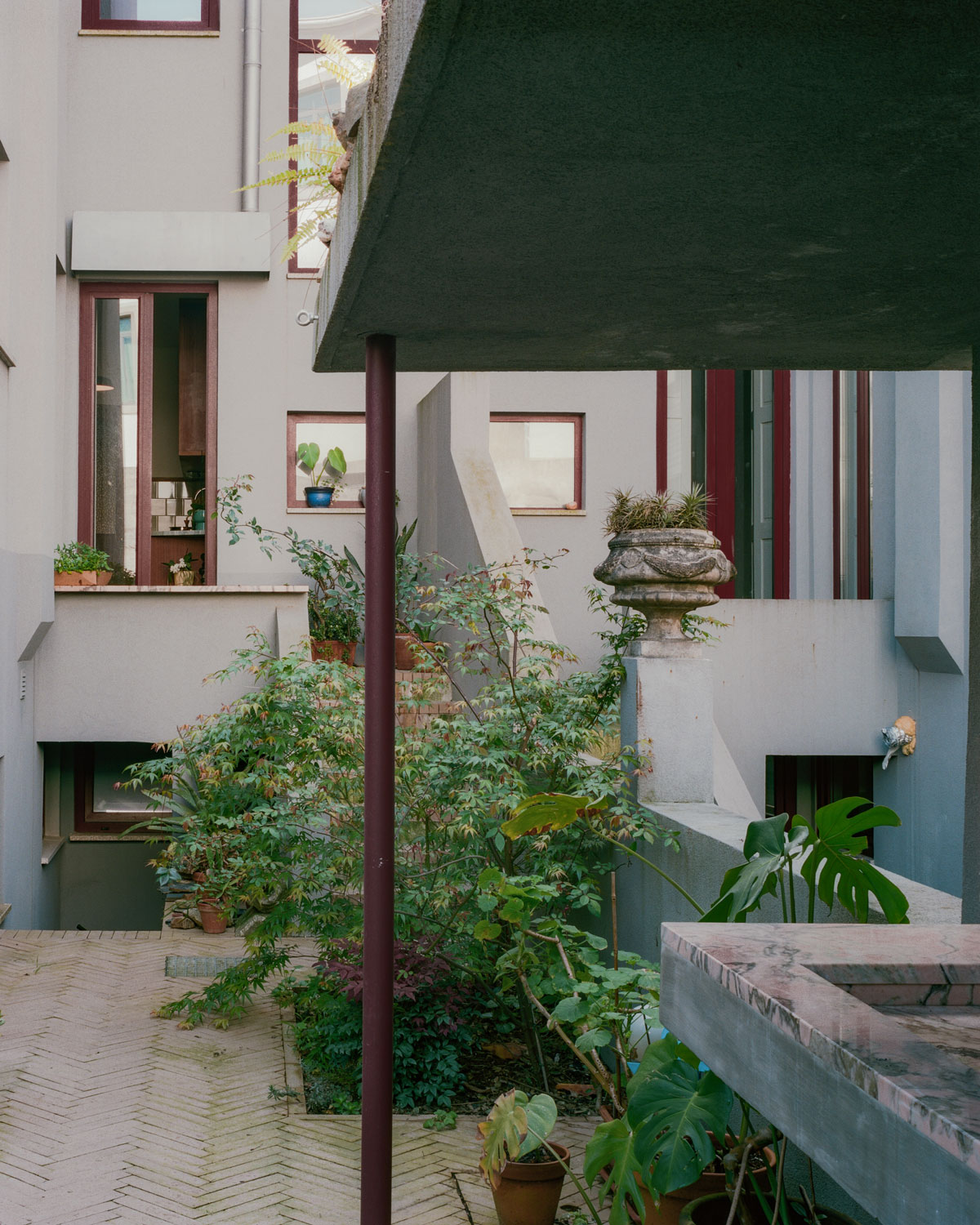
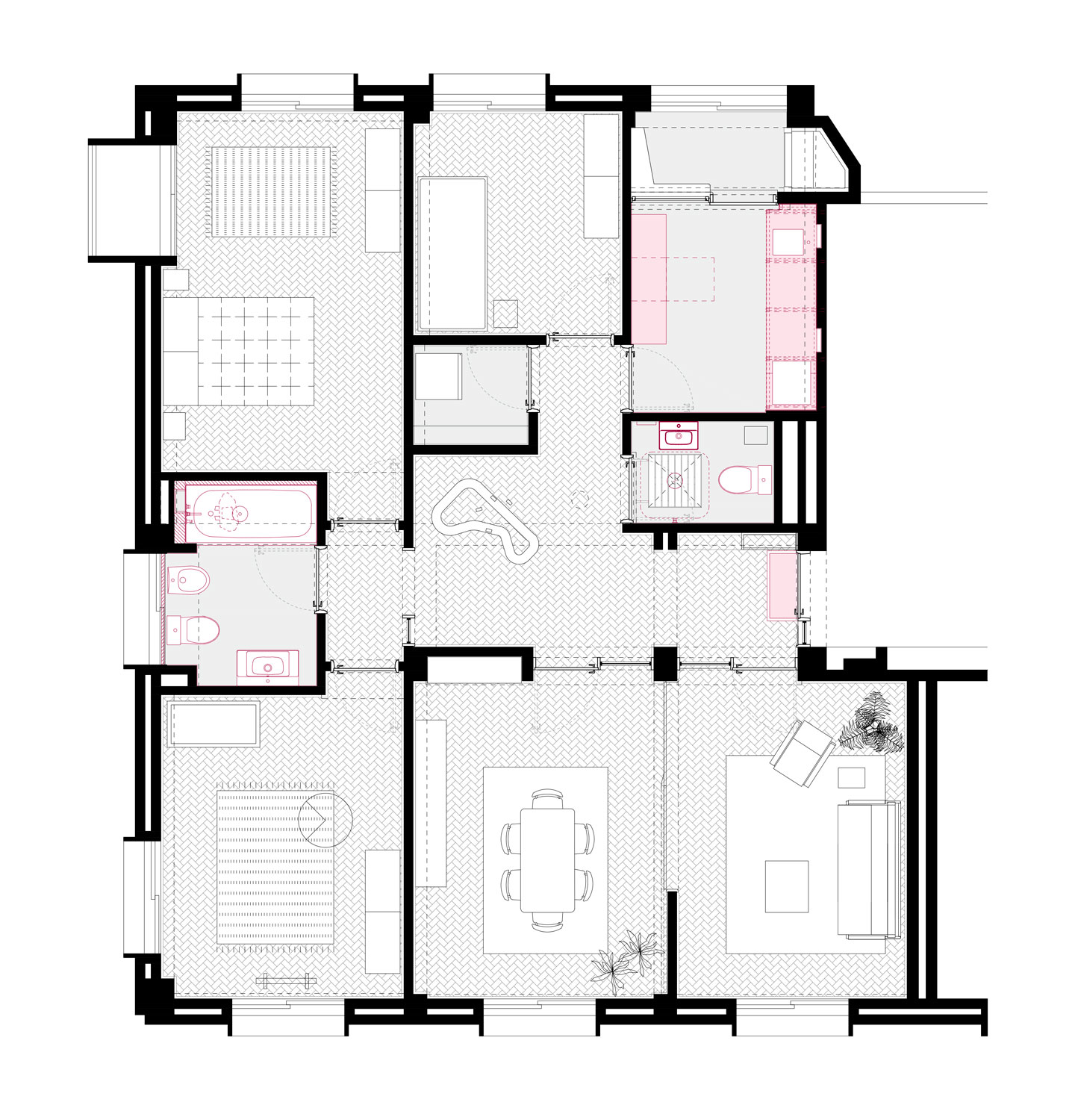
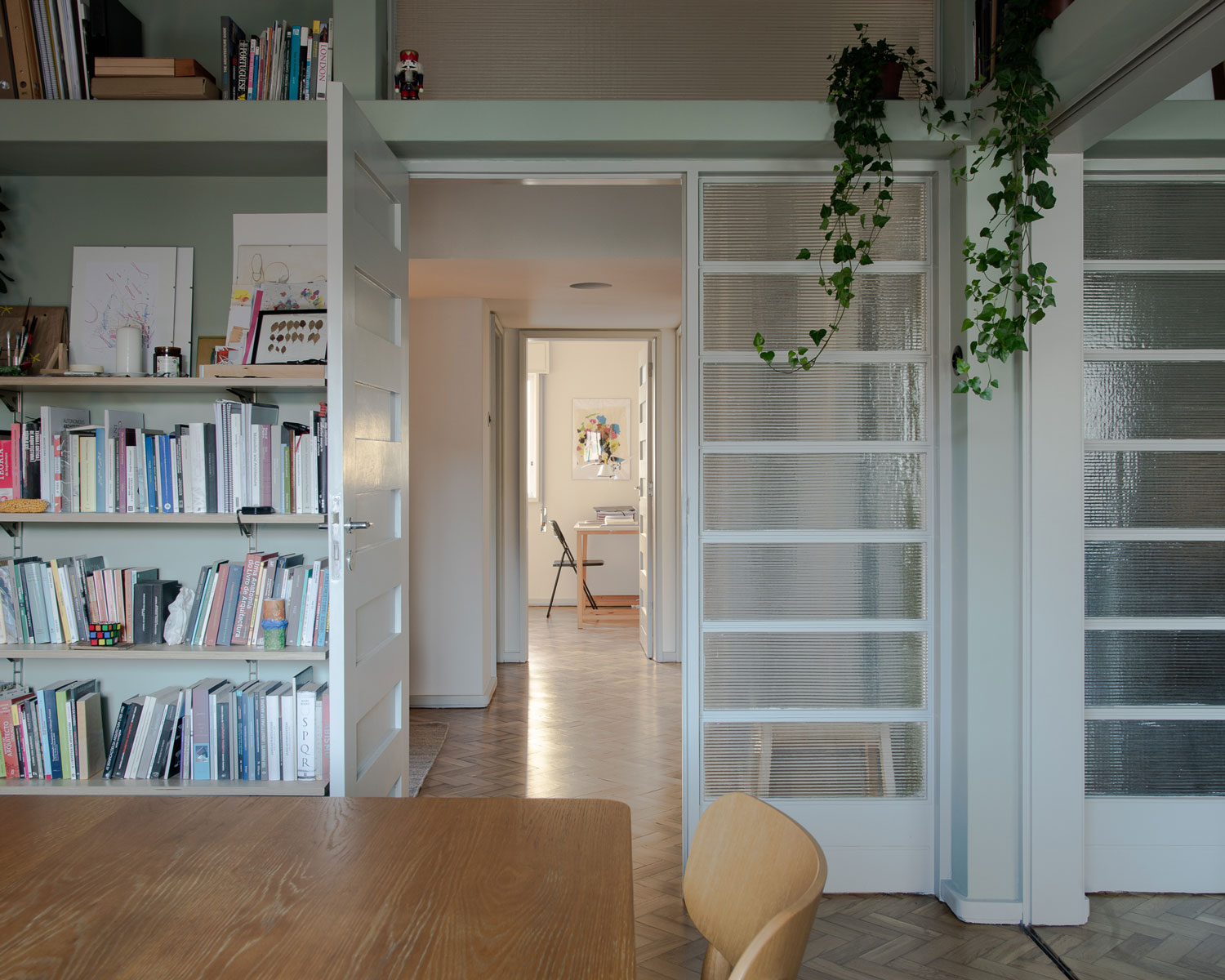
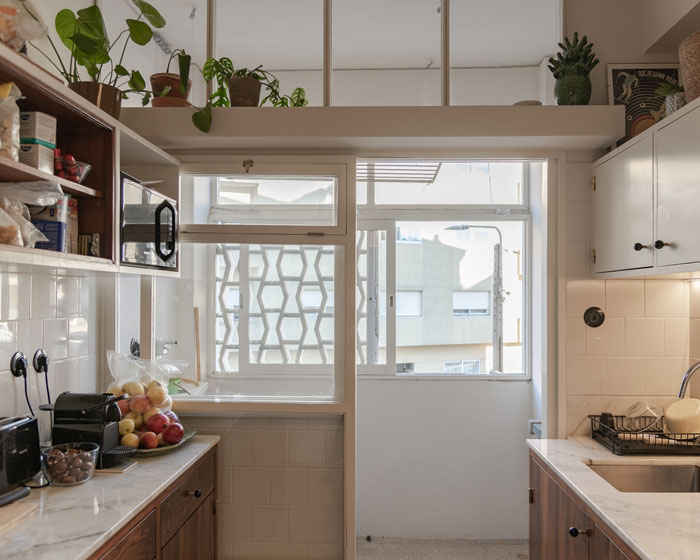
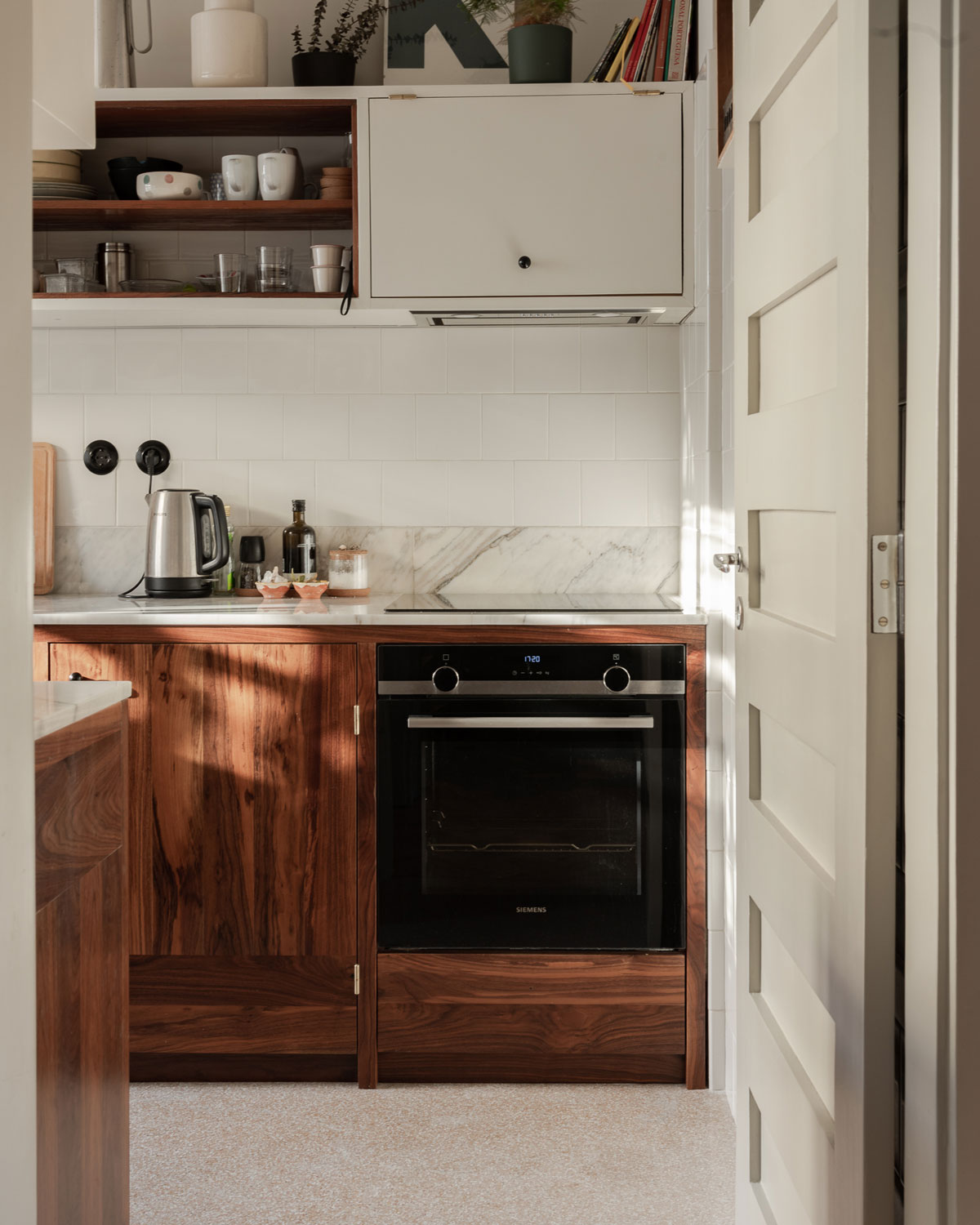
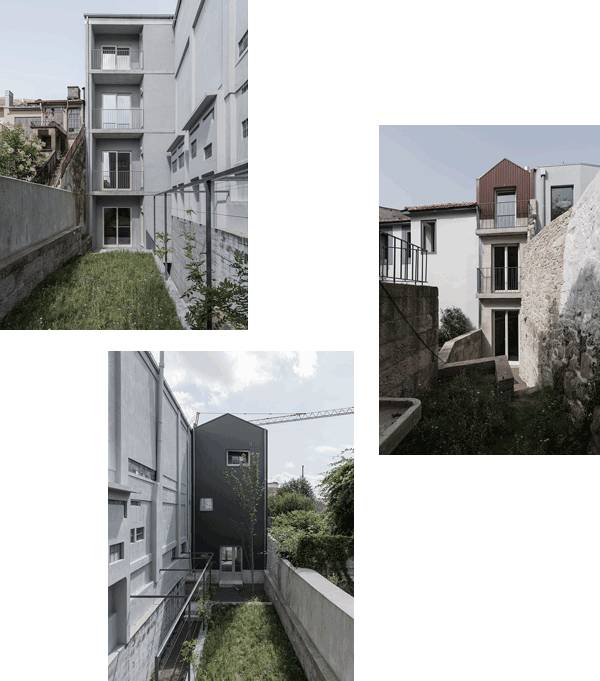
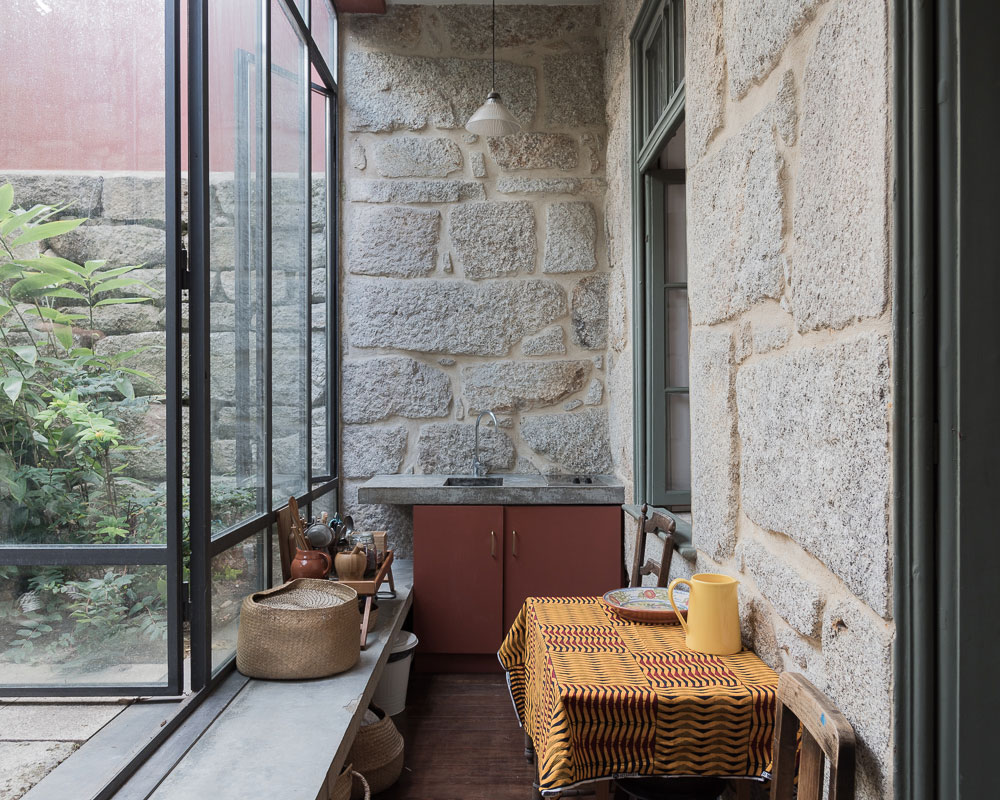
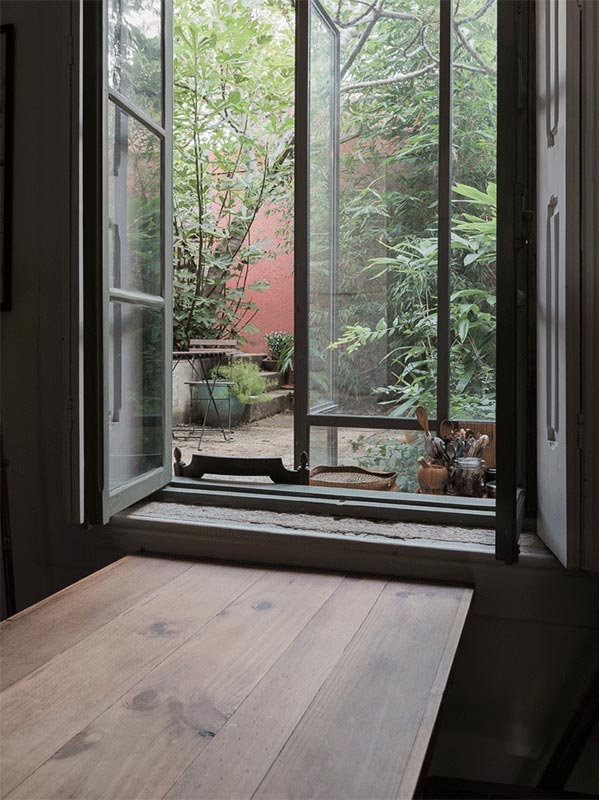
The pink building from the 1930s housed an apartment that was too long and compartmentalised, requiring more light and less corridor space. The simple but intense intervention focused on redesigning the common areas: it created a new entrance hall, a kitchen facing the courtyard, and a central, semi-transparent screen that leads to the multipurpose room and brings us back to the outside. Wood, in its different colours and applications, adds density and comfort, and dialogues with the imagery of the period, present at the entrance to the building and at the access to a workspace located on the lower floor. Small follies design furniture, solve unusual situations and characterise the courtyard, which is filled with plants to contrast with the grey of the rear façade.


Architecture FMVS
Builder MS Ferreira
Photography Frederico Martinho

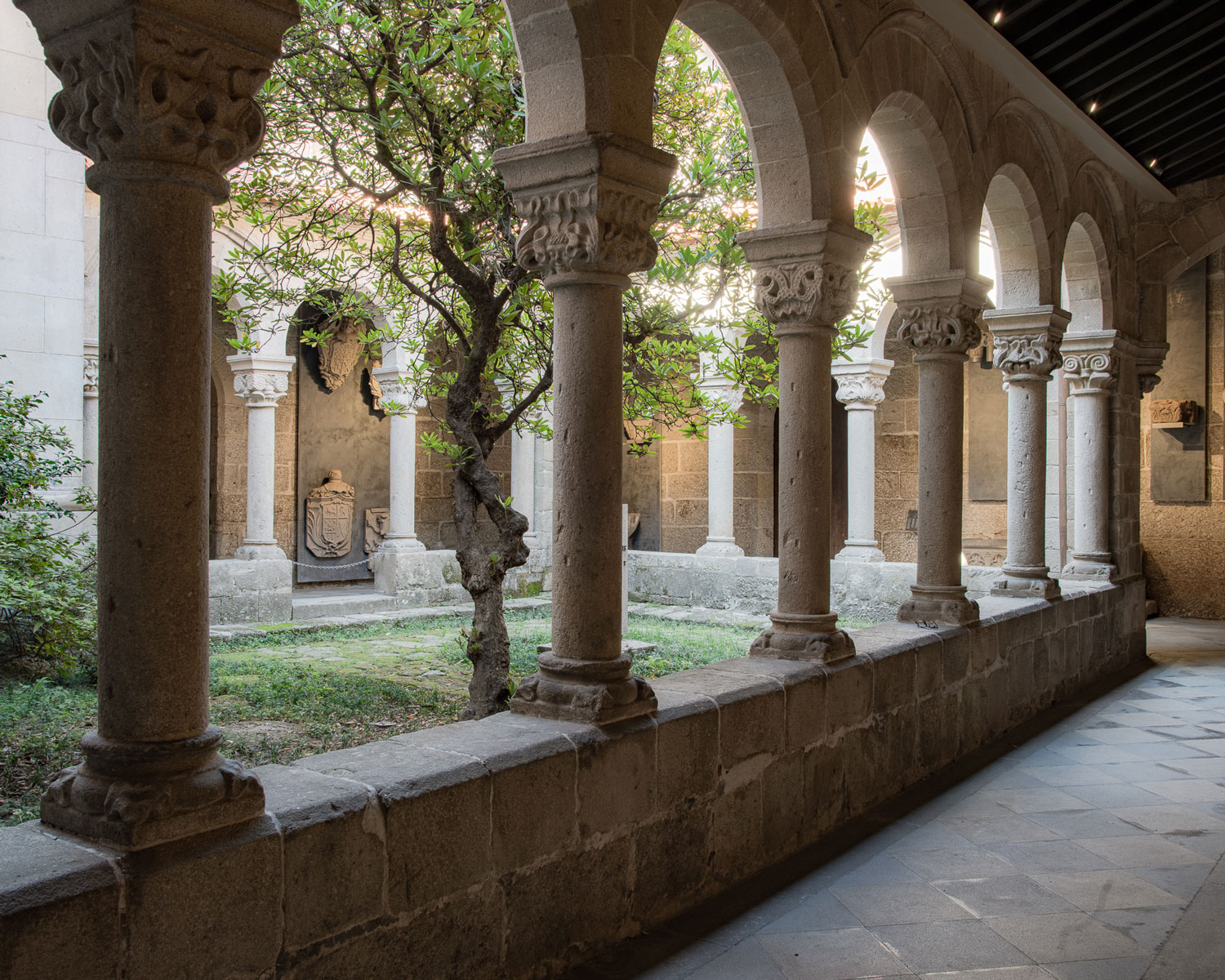
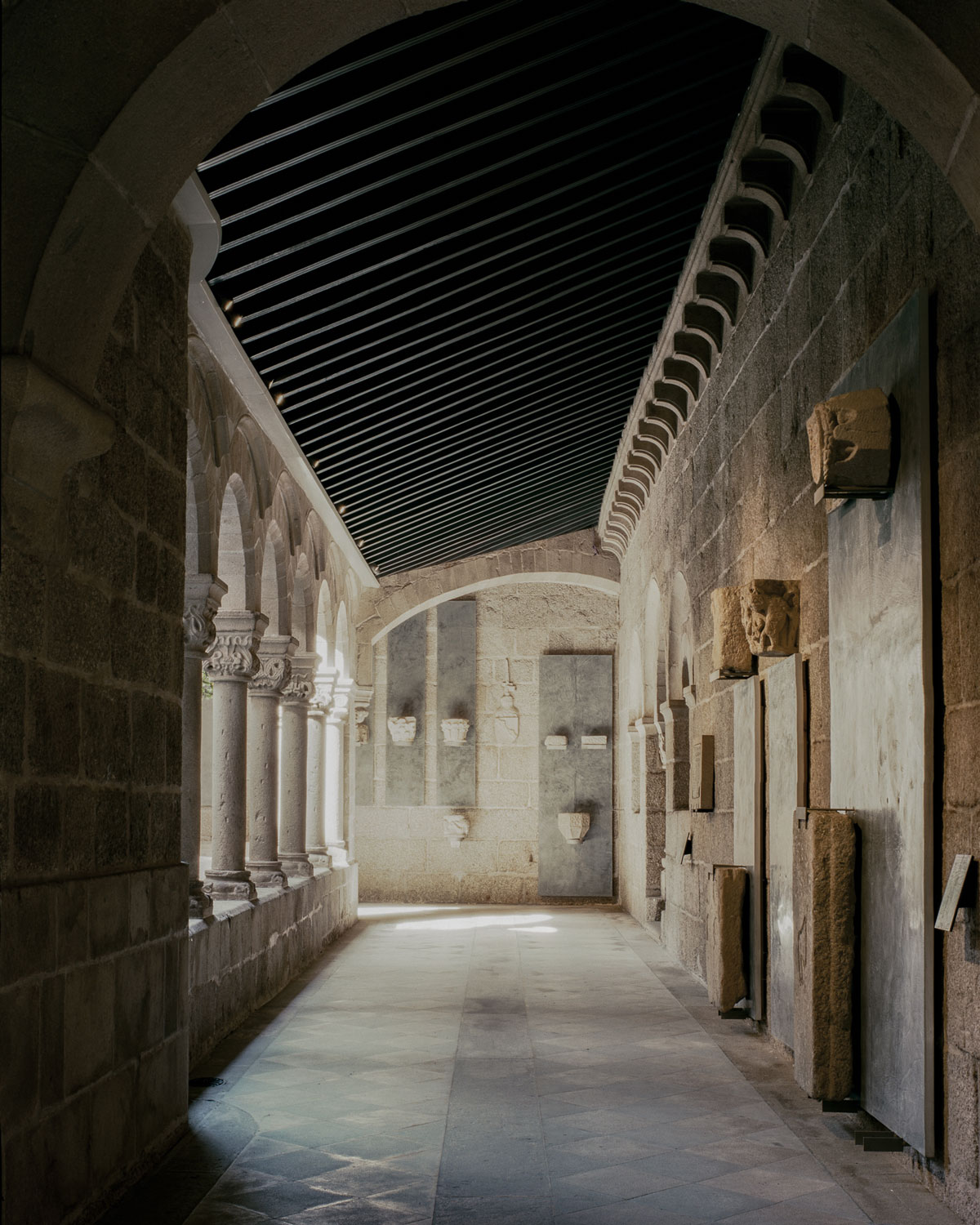
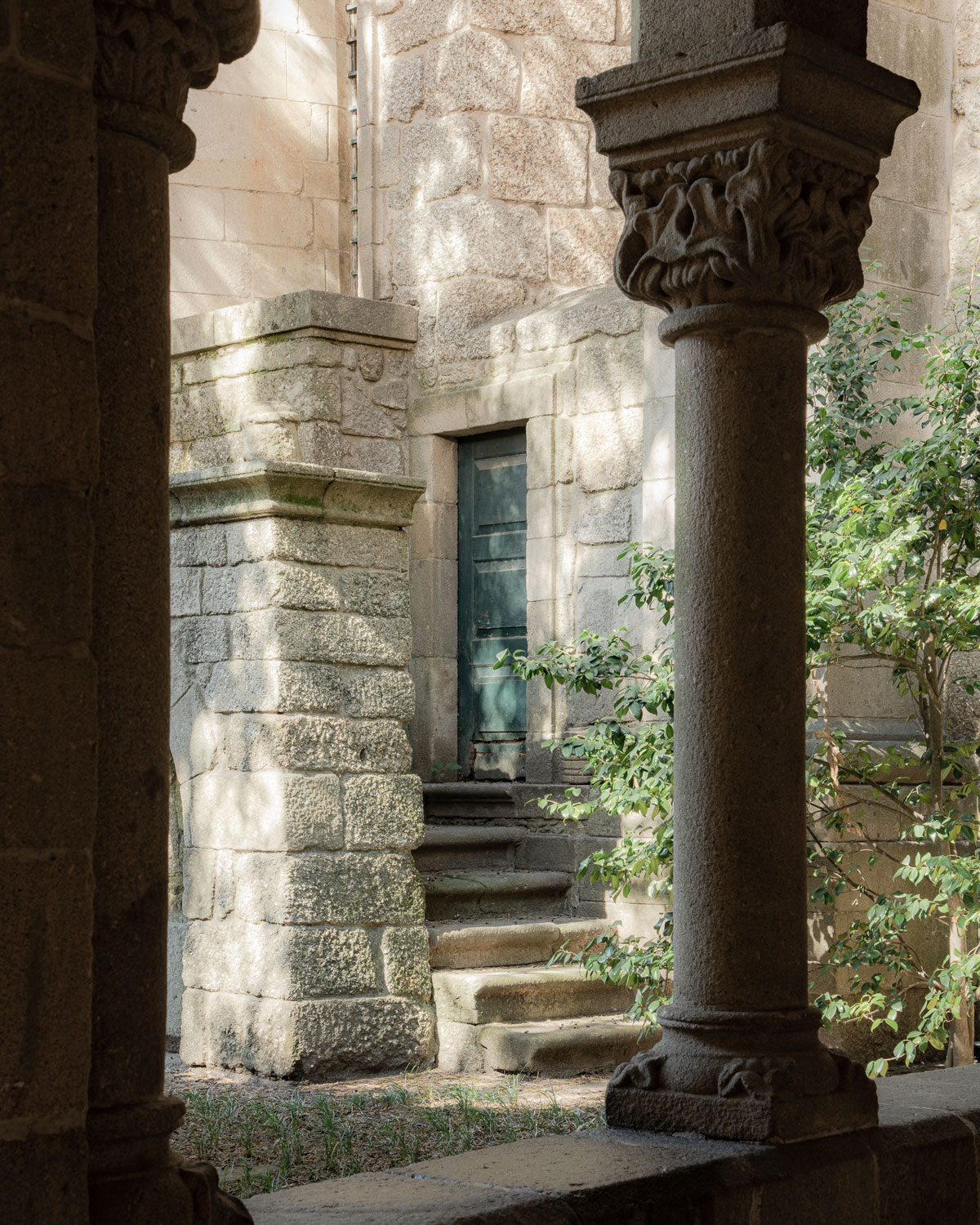
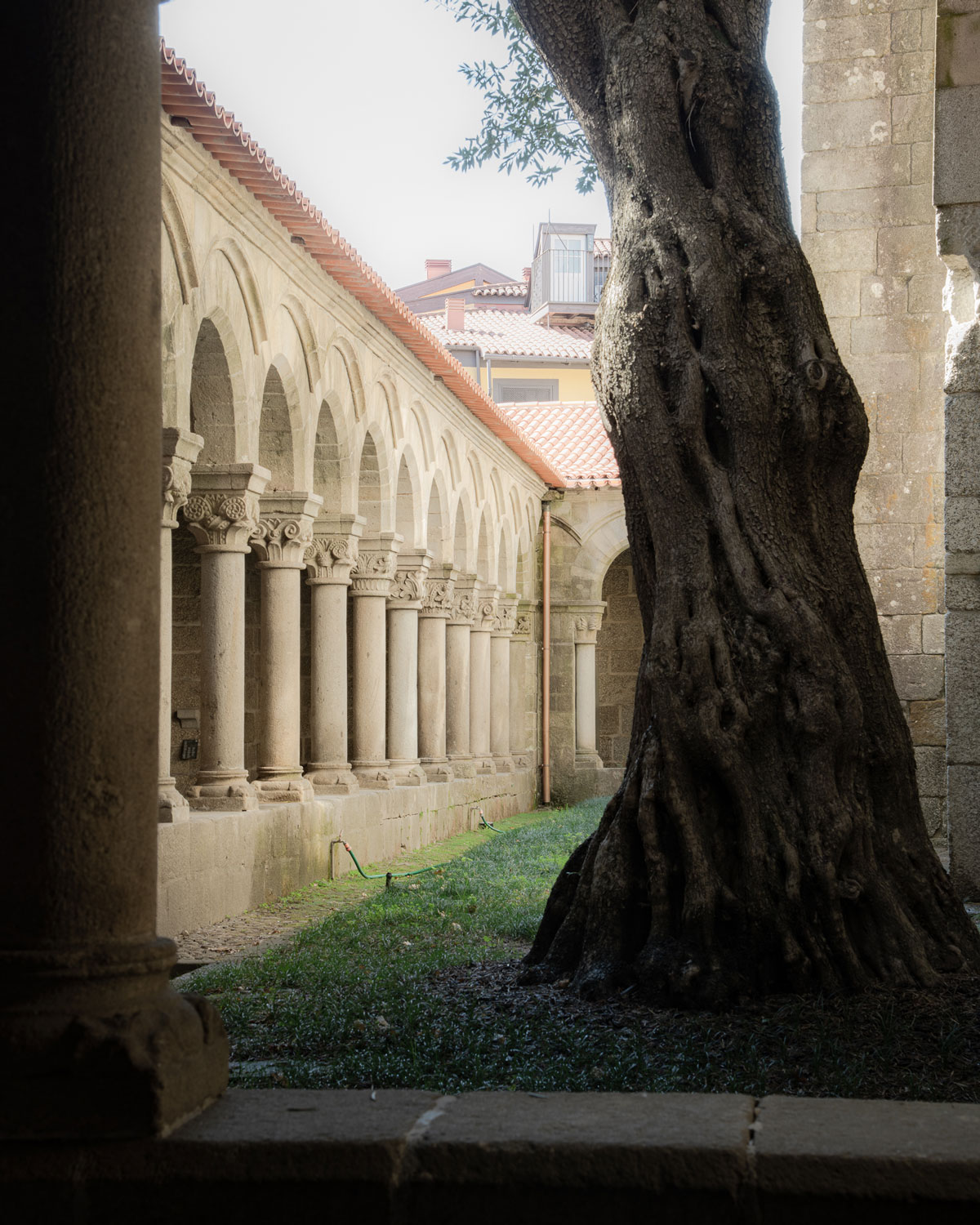
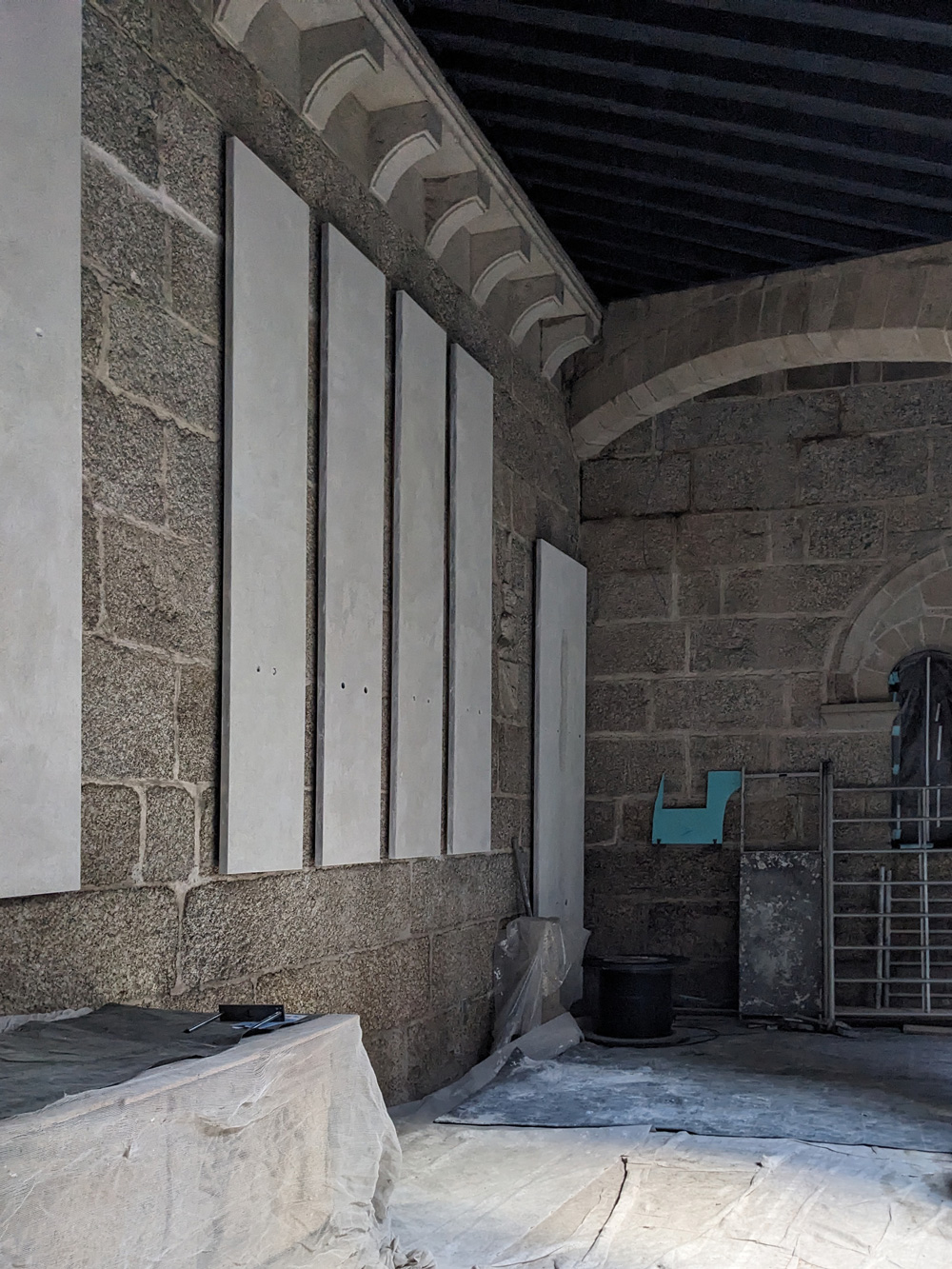
Claustro do Museu Alberto Sampaio
Guimarães, 2021-25

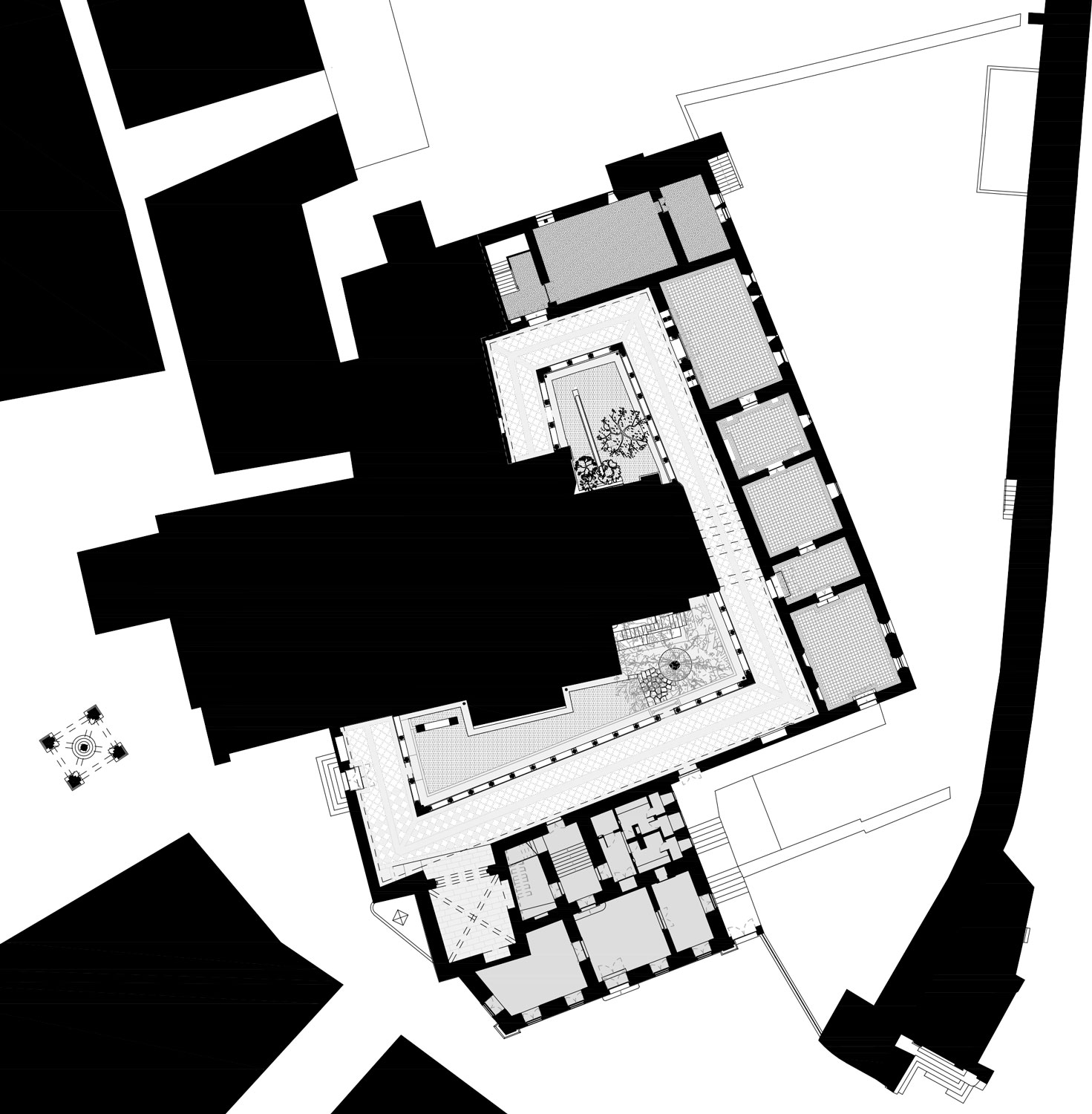
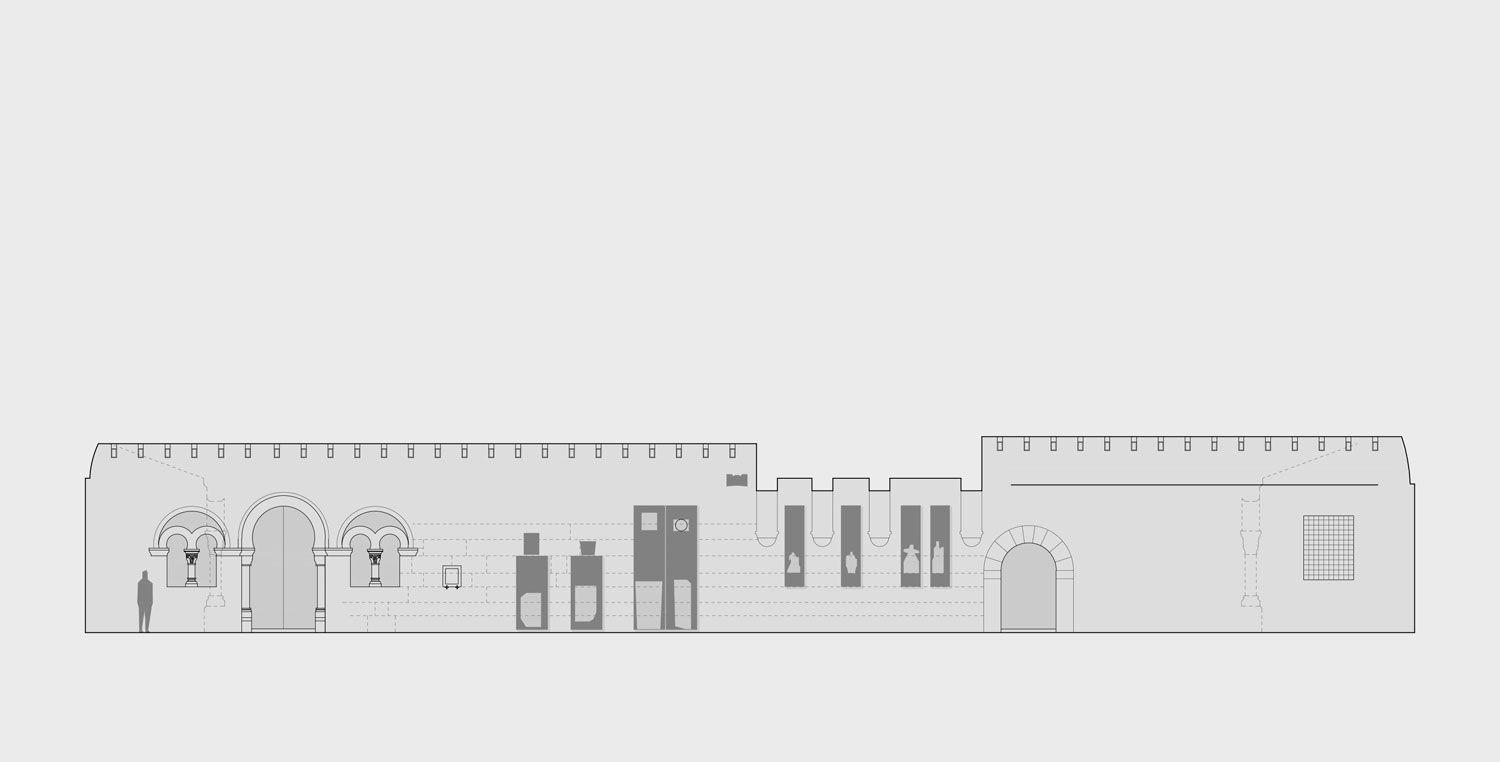
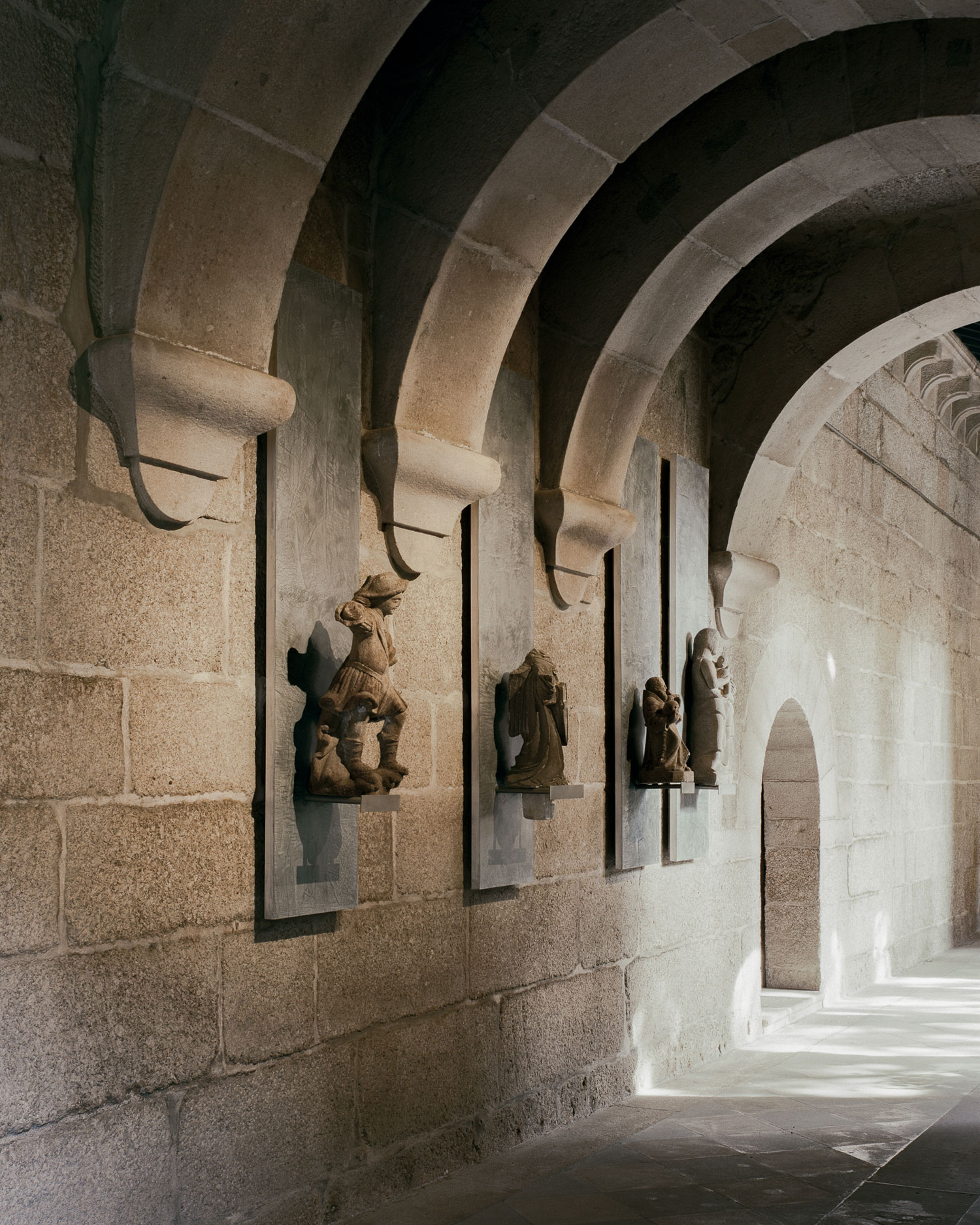
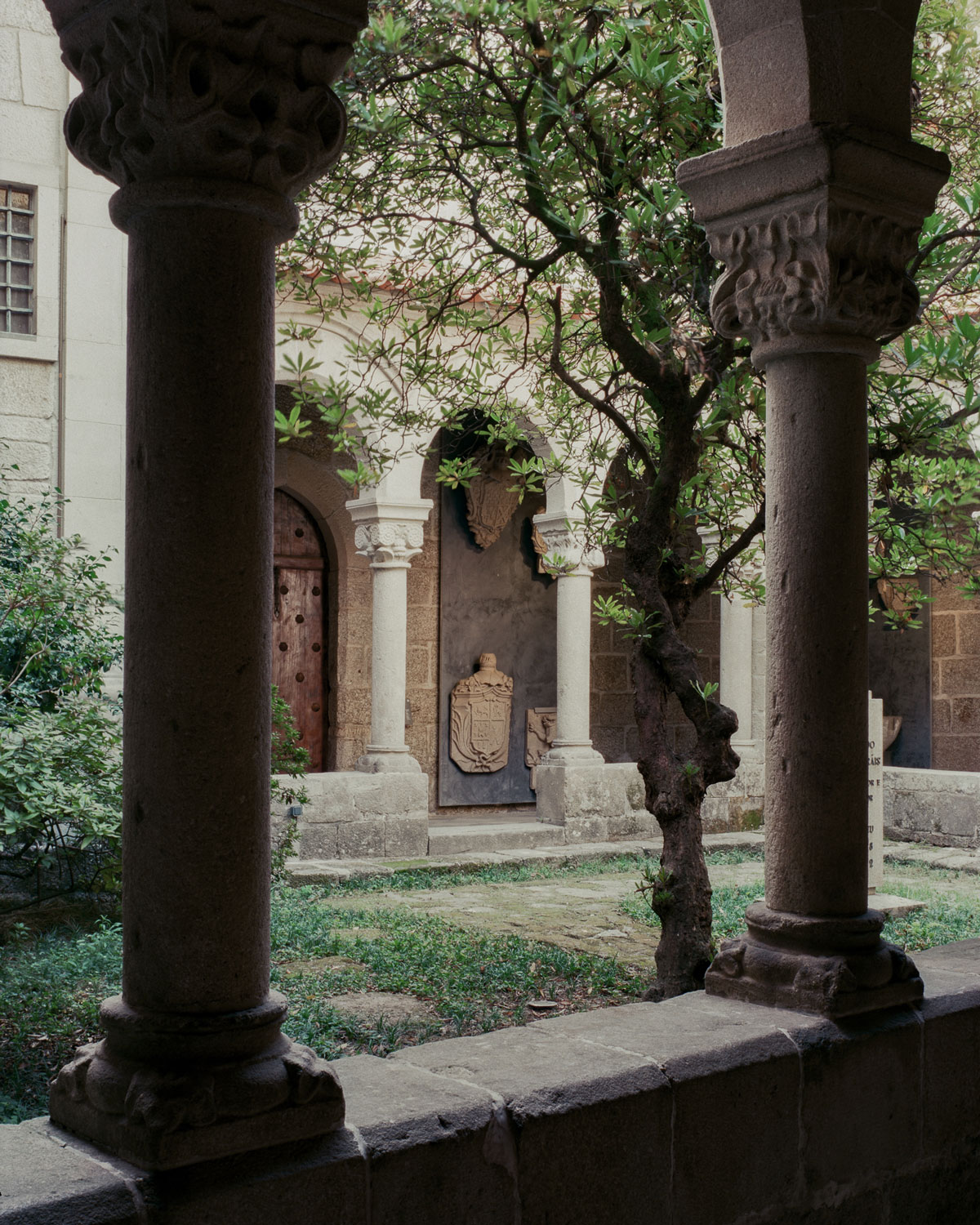
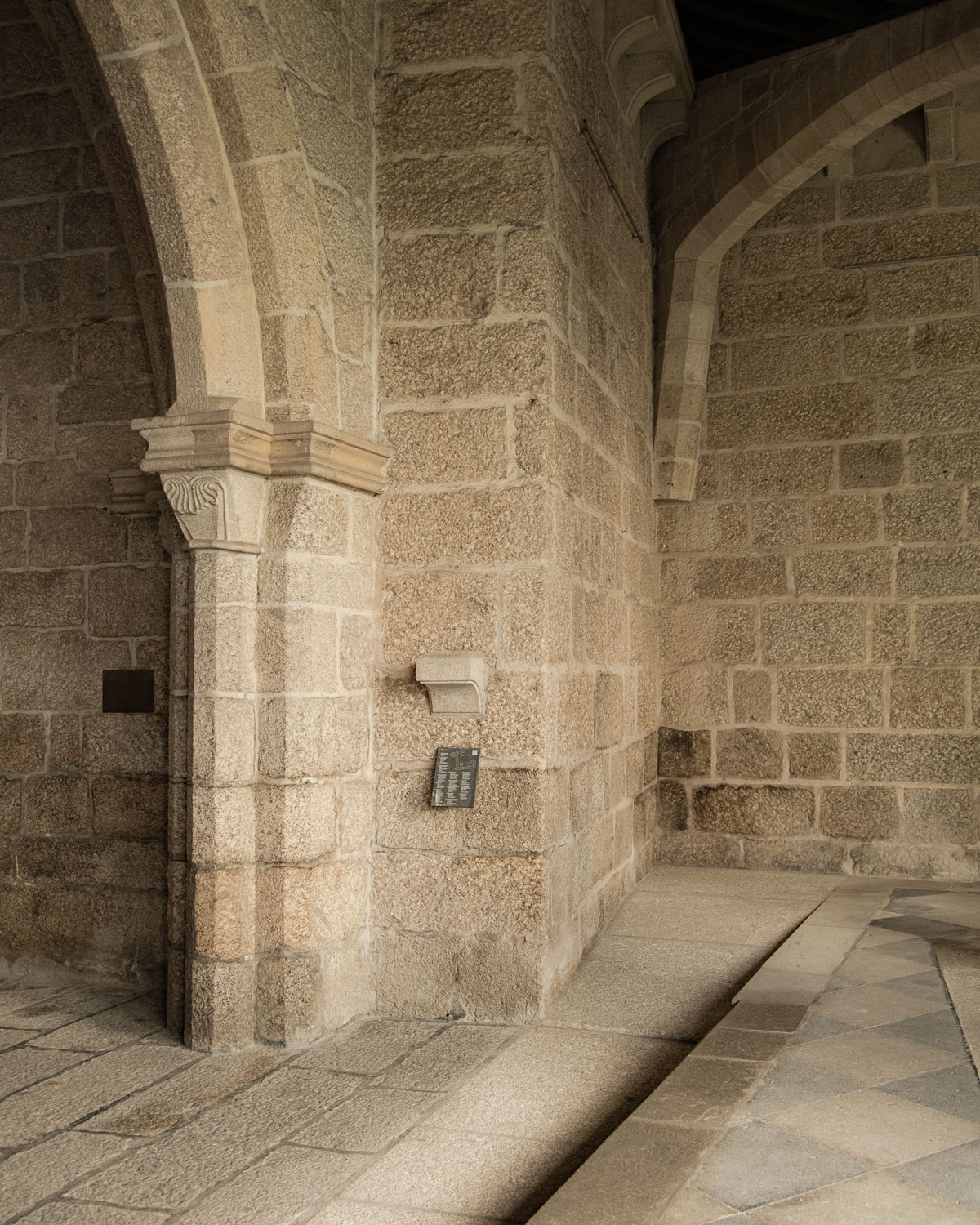
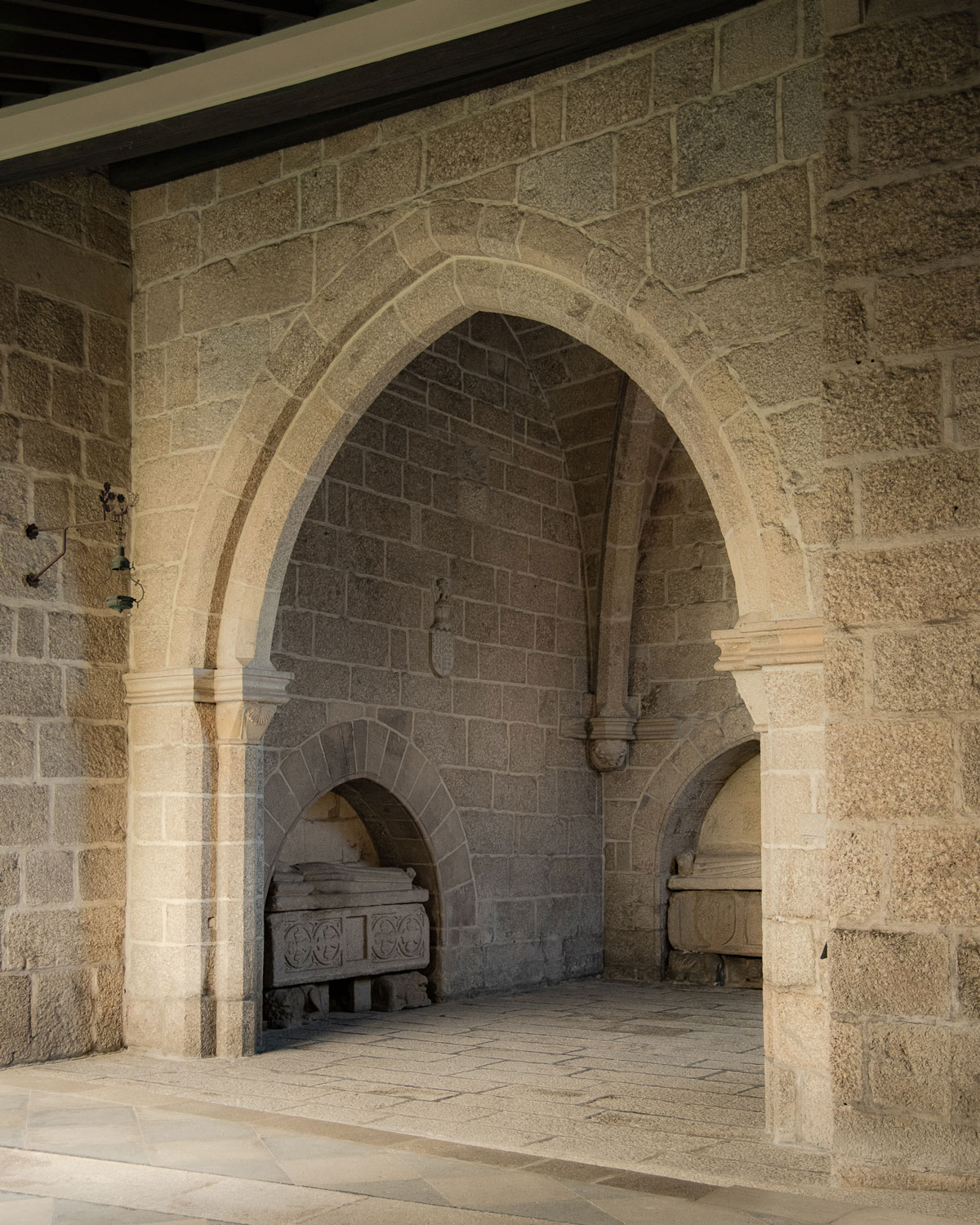
The organisation of the collections on the granite walls of the small cloister, like a true Renaissance antiquarium, has transformed this cloister into a museum space rather than a mere corridor leading to the museum's exhibition rooms. Particular attention was paid to the tumulary, closely associated with the cloister and its role in the monumental complex, as well as to architectural elements such as column capitals. The project also included the restoration of the roof and the redesign of the cloister's electrical infrastructure and lighting. The scenography of the night lighting, an aspect of the utmost importance for those viewing the cloister from the entrance at Largo de Nossa Senhora da Oliveira, was studied taking into account the scenographic effect resulting from the difference in scale between the cloister and the church, as well as the important and timely initiative of the Museum at Night..


Architecture FMVS + Paulo Providência
Builder AOF
Photography Frederico Martinho

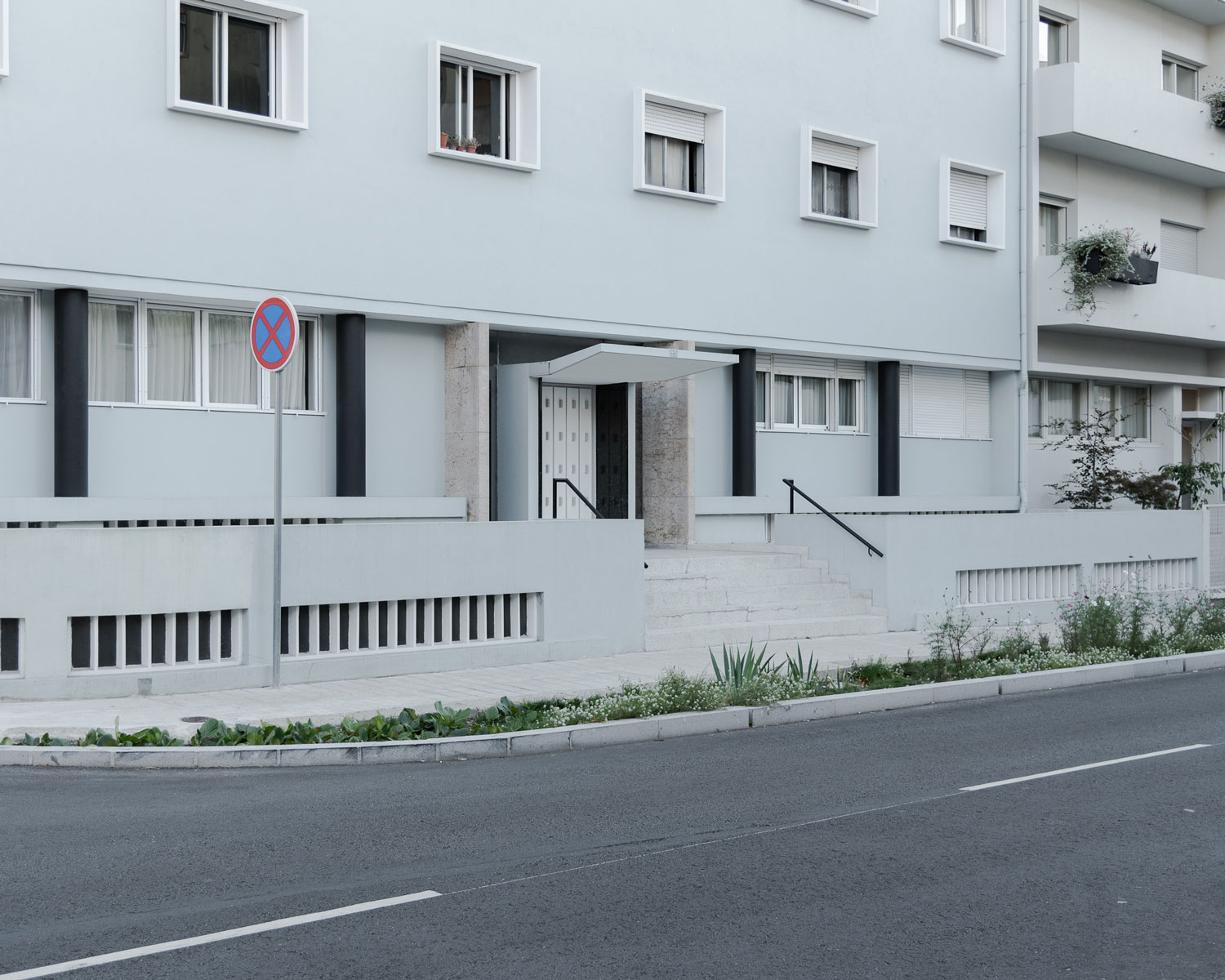
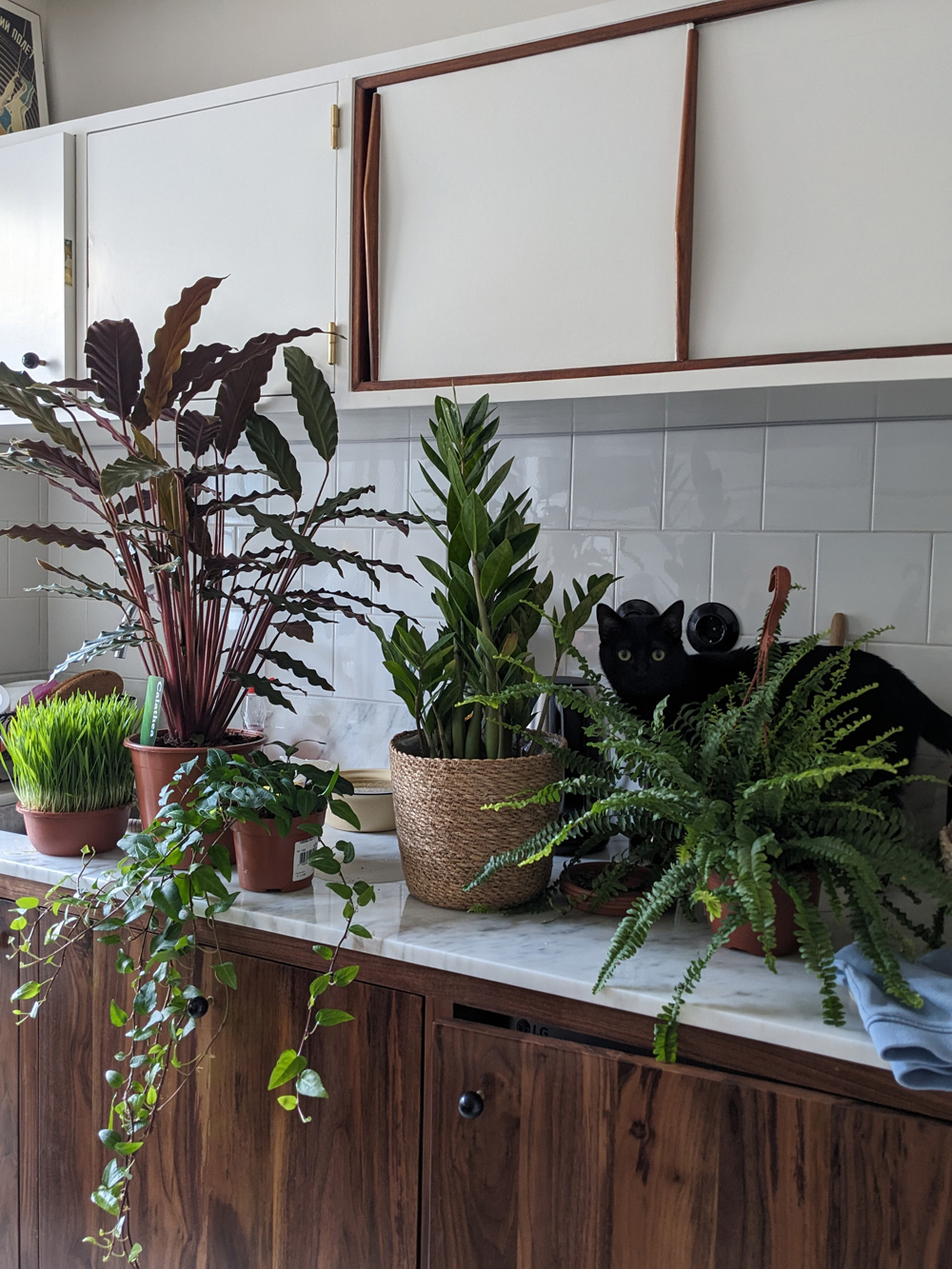
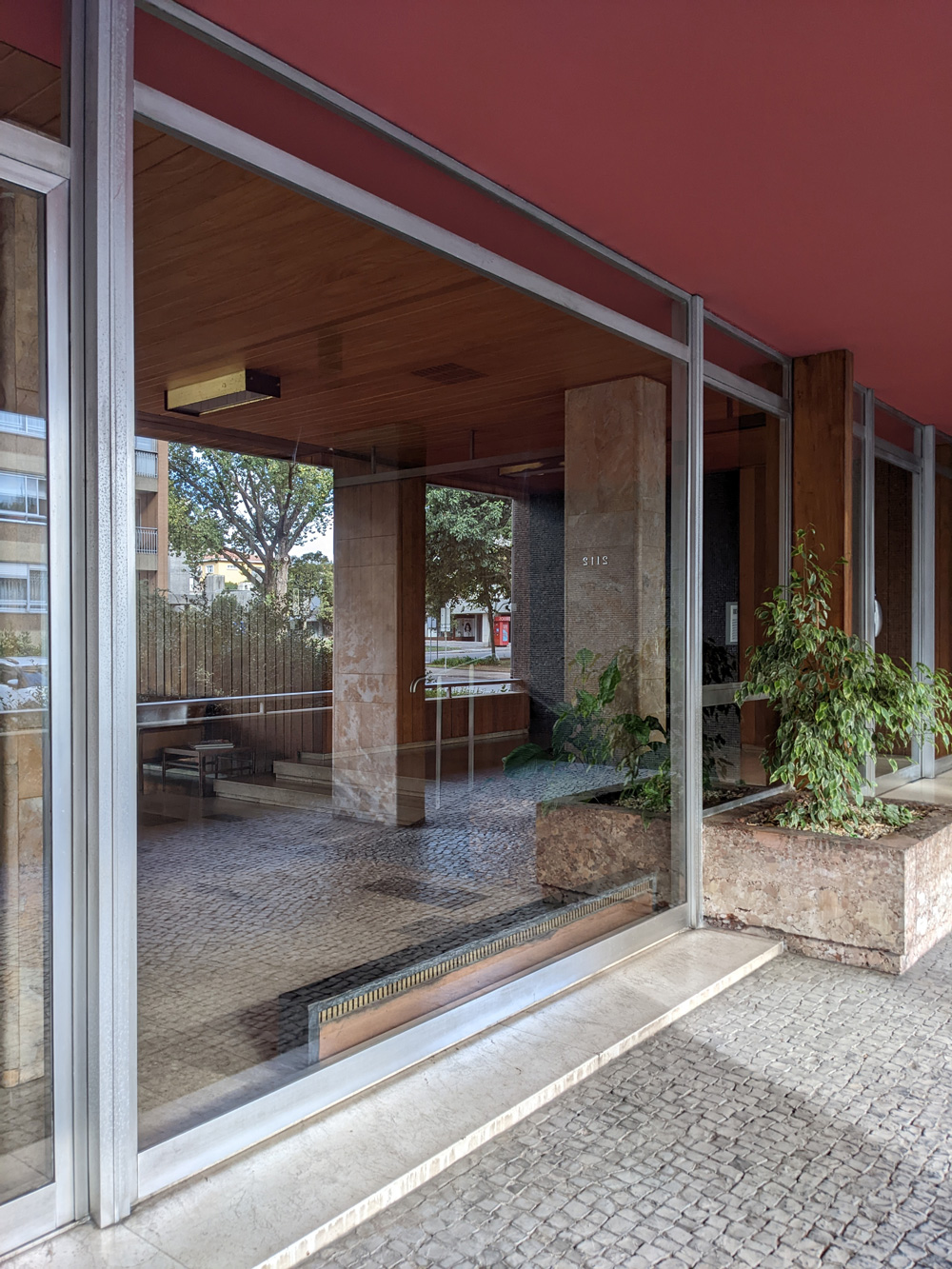
Apartamento em Santos Pousada
Porto, 2023-24

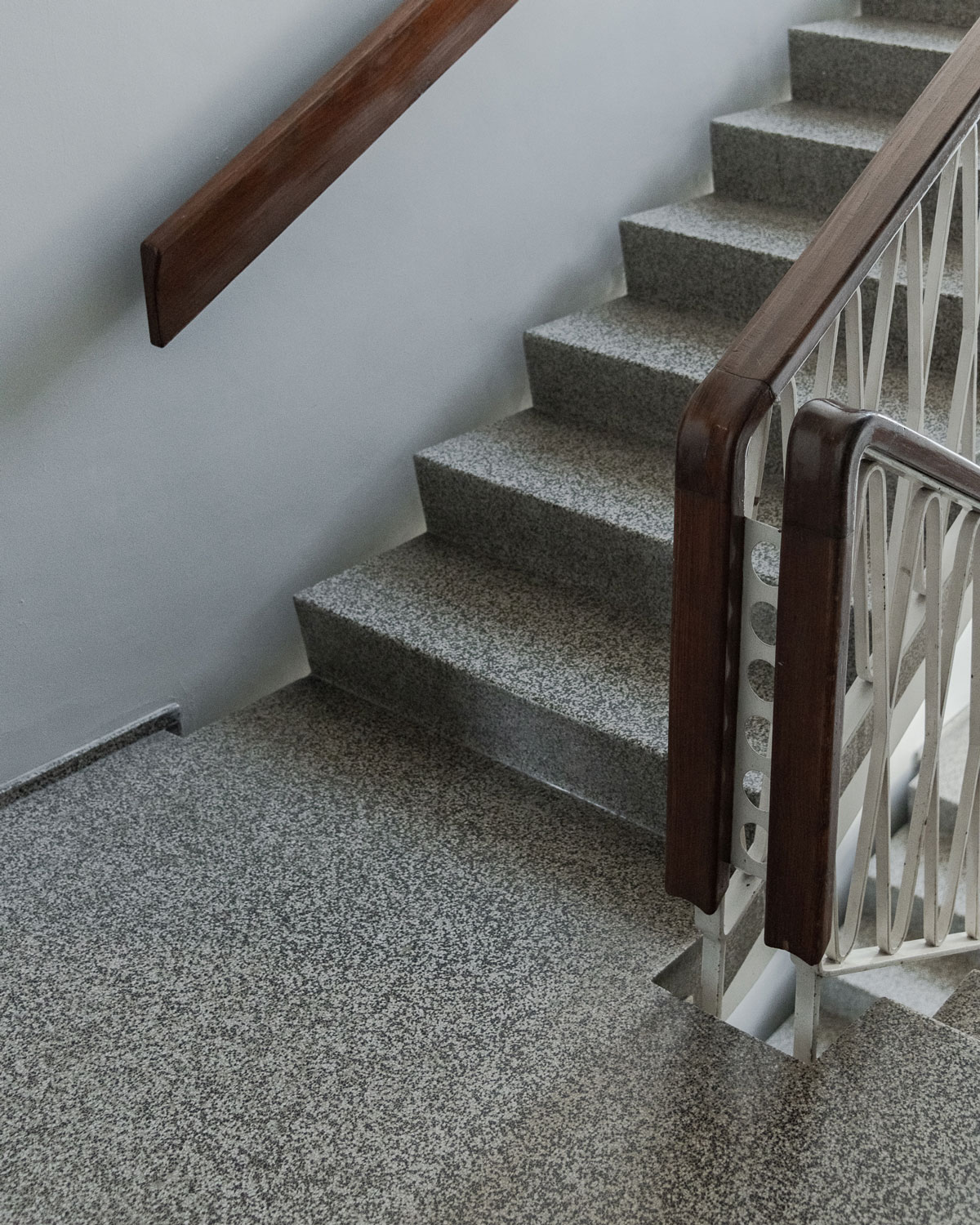
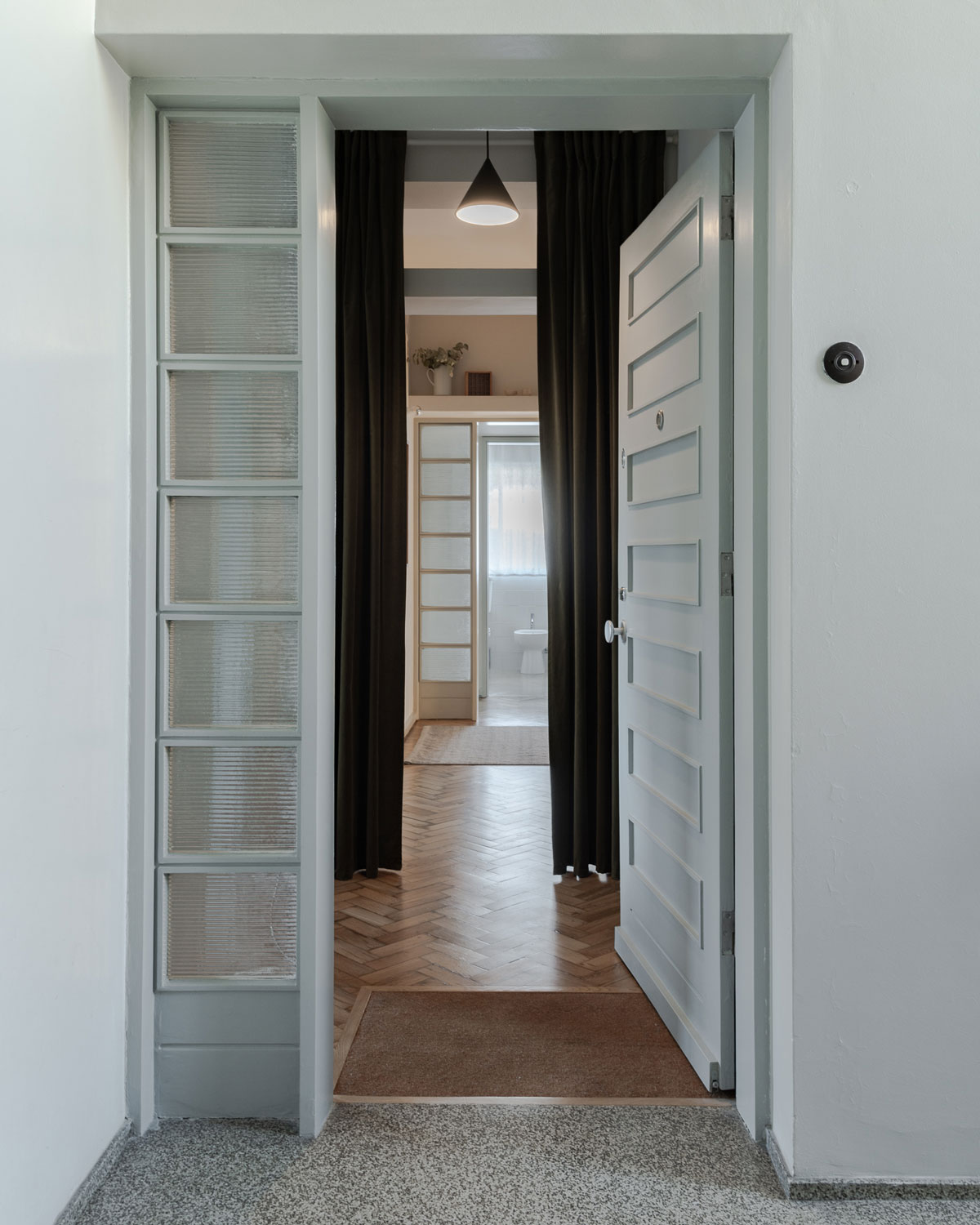
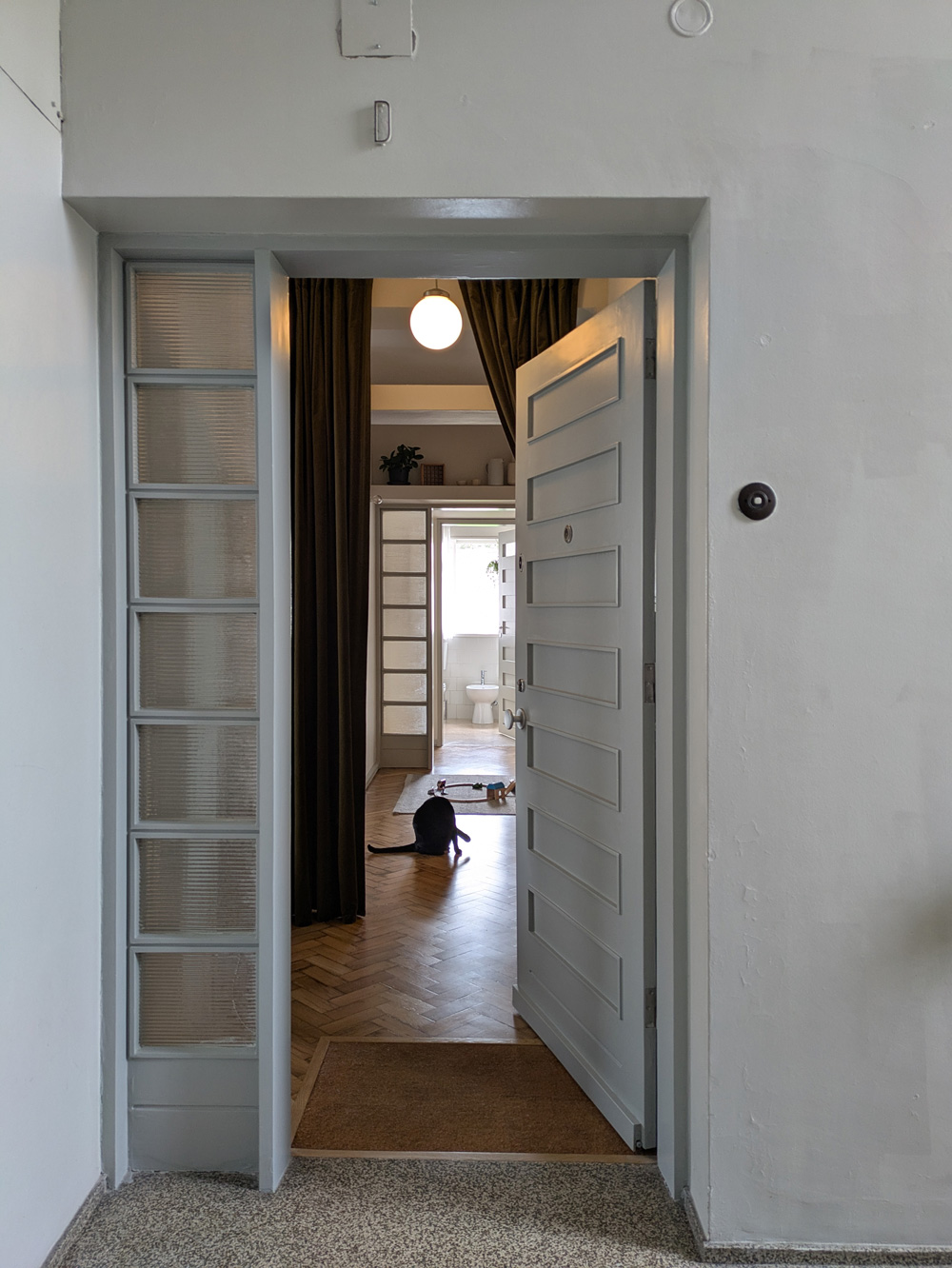
Nothing needed to be changed from the original 1952 layout, designed by Arménio Losa and Cassiano Barbosa. Thus, the intervention focused on the areas of greatest wear and tear: infrastructure, coverings and fixed furniture, which were outdated or badly damaged. Marble tiles, parquet flooring and woodwork were restored, ceramic coverings were redone, and new solid wood pieces were introduced in such a way that they blend, in both their tonality and design, with what we see when we walk from the entrance of the building to the interior of the apartment.


Architecture FMVS
Builder MS Ferreira
Photography Frederico Martinho

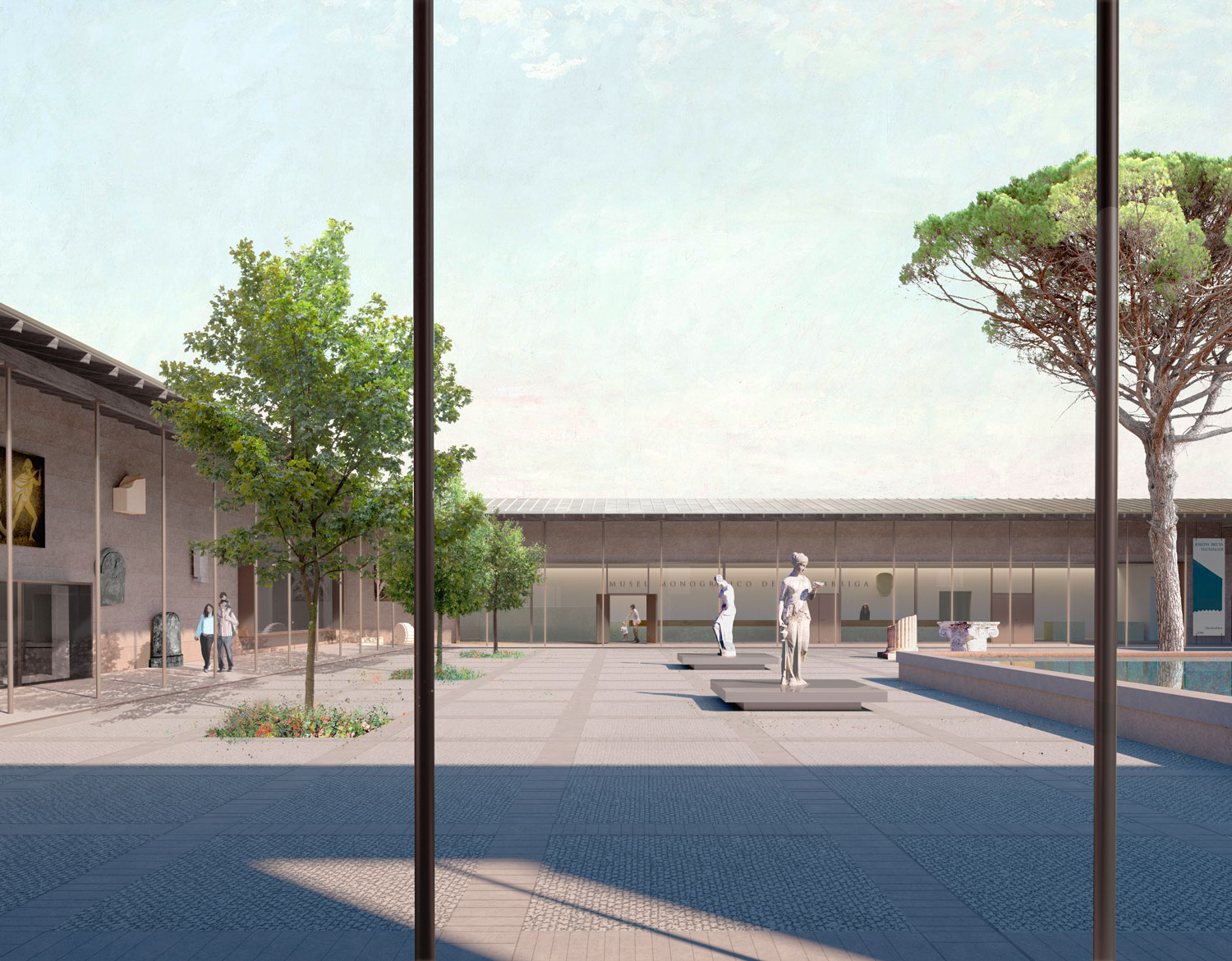
Museu Nacional de Conimbriga
Condeixa-a-Velha, 2024-

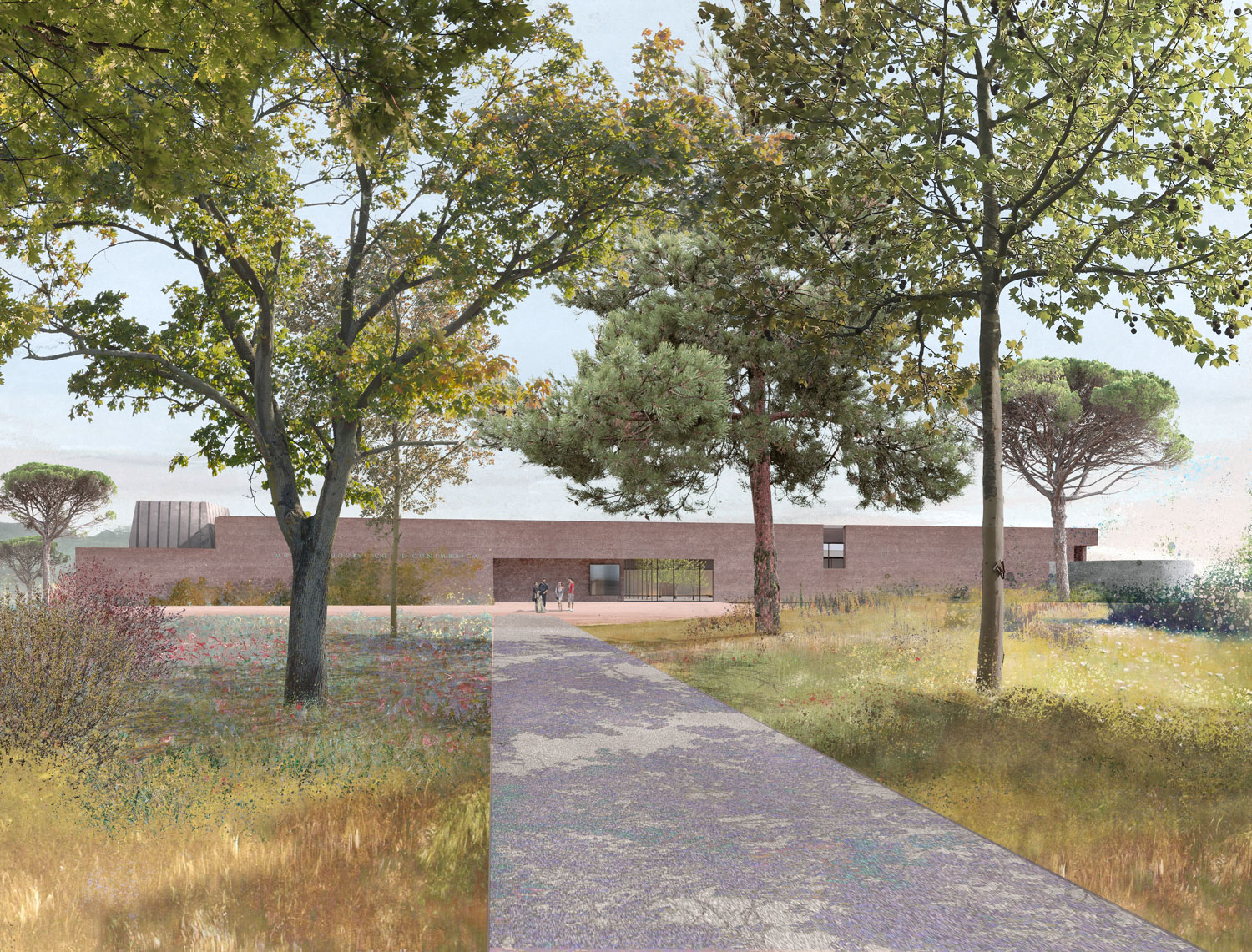
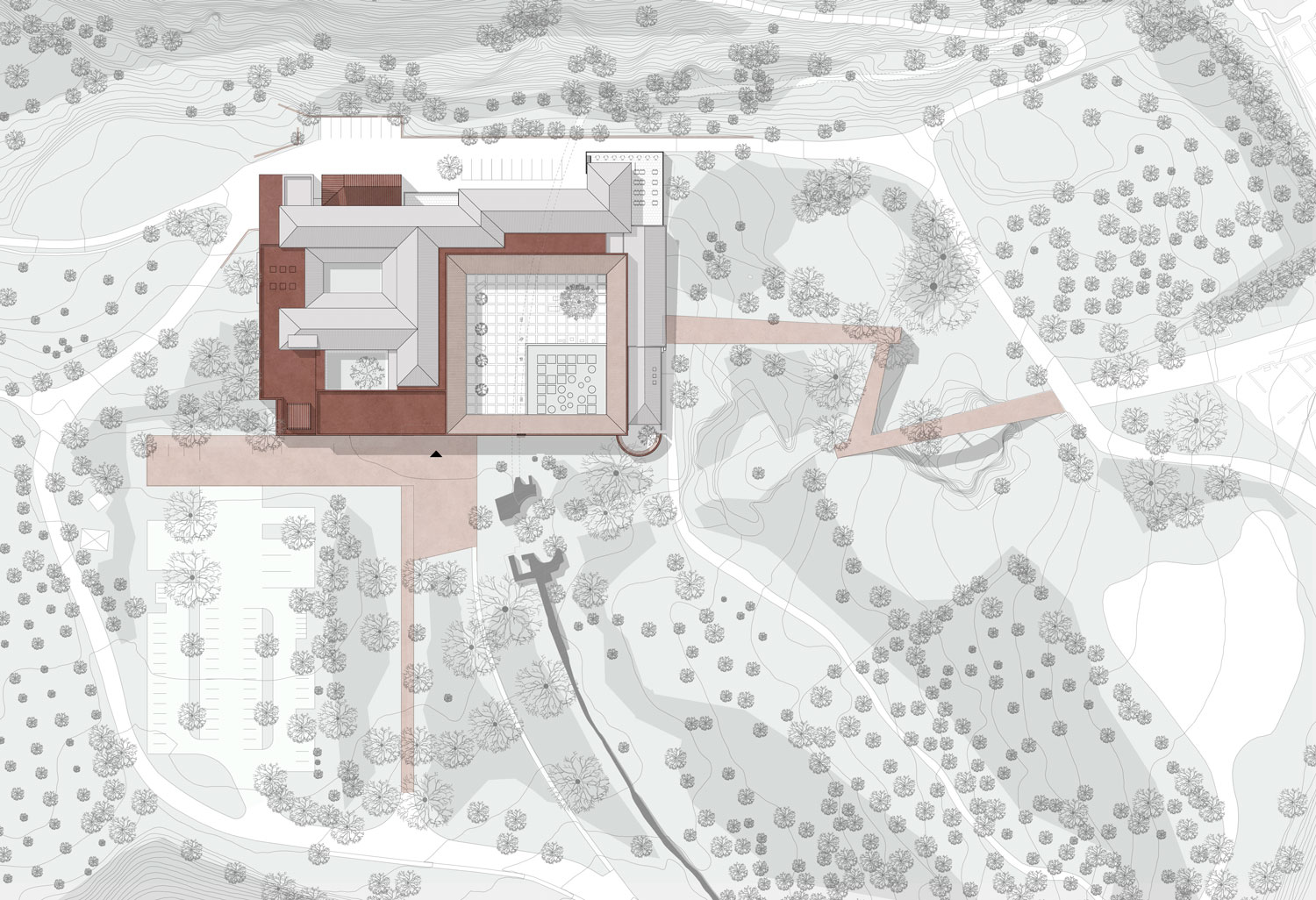
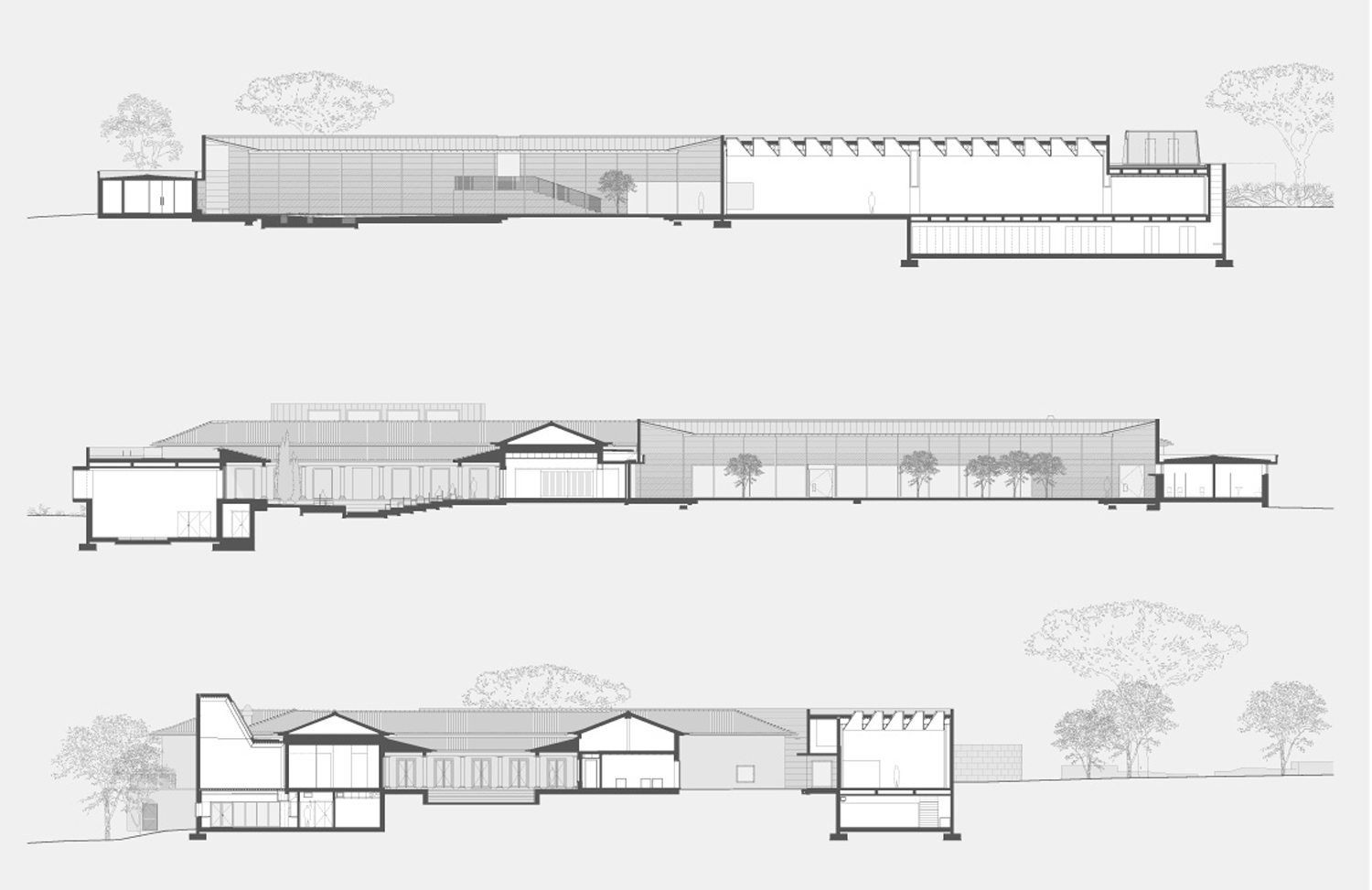
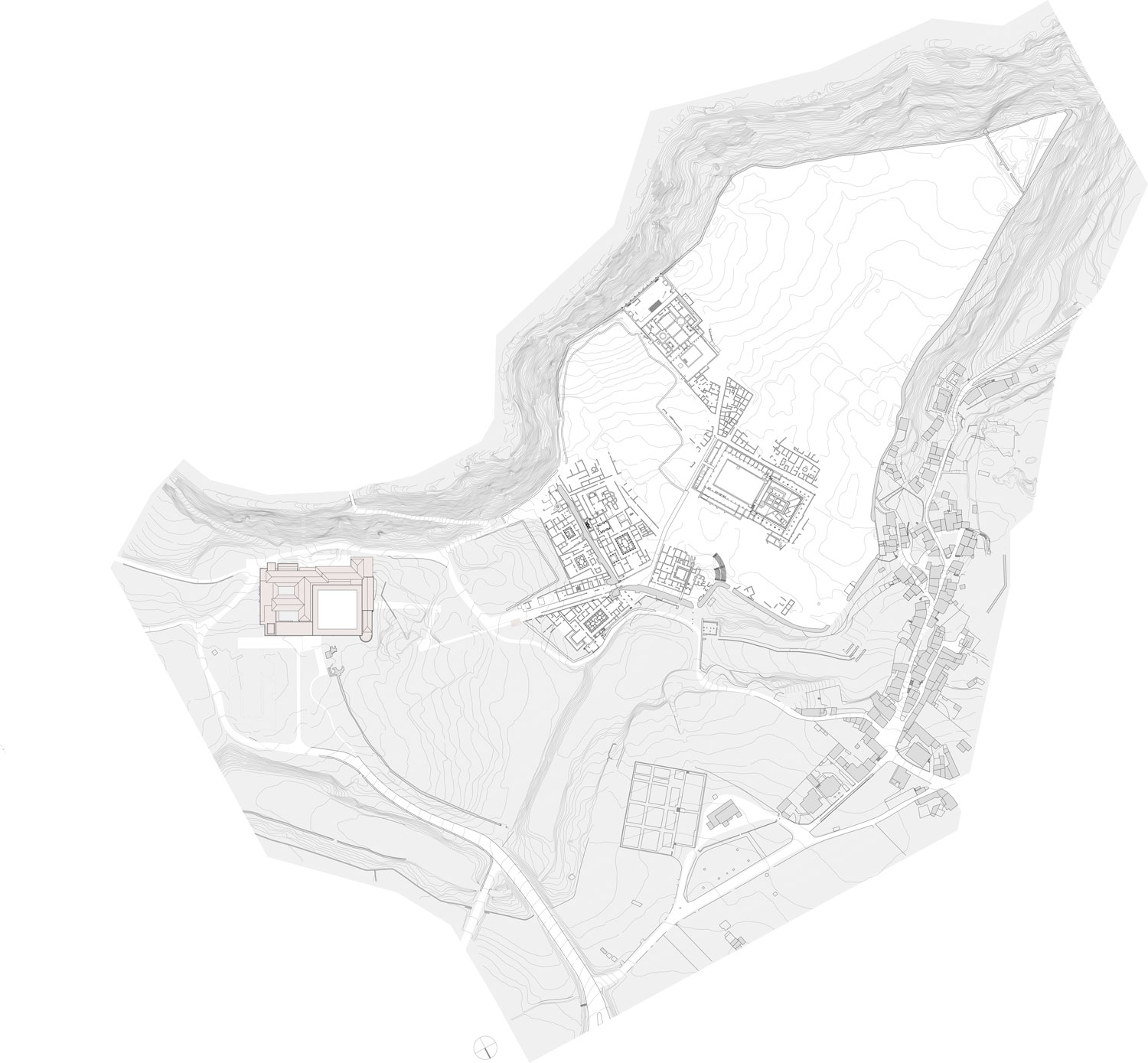
The renovation and expansion project for the Monographic Museum of Conimbriga structures the building by clarifying its footprint, reinforcing the character of its spaces, and consolidating its image. The new configuration of the reception courtyard, completing the wall that delimits it to the east, appropriates the design by Gonçalo Ribeiro Teles and Caldeira Cabral, giving it a renewed role: the water feature, orange trees and paving are reinforced by the containment provided by the spatial delimitation, and the two access openings to the car park and the archaeological area respectively establish connections with the outside. The proposal acts on the reception areas (foyer, support areas for the reception of groups of adults and children), including the auditorium; exhibition spaces (permanent, and new rooms for temporary exhibitions); training and collection consultation spaces, in the structuring of internal technical service areas, including the significant expansion of storage and archive areas, in the redesign of laboratory areas and in the creation of the new Mosaic Restoration Centre.


Architecture FMVS + Paulo Providência
Consultants SOPSEC SINCRONO NILUFT
Landscape DWN
Design Francisco Providência

Competition org. DGPC
1st place

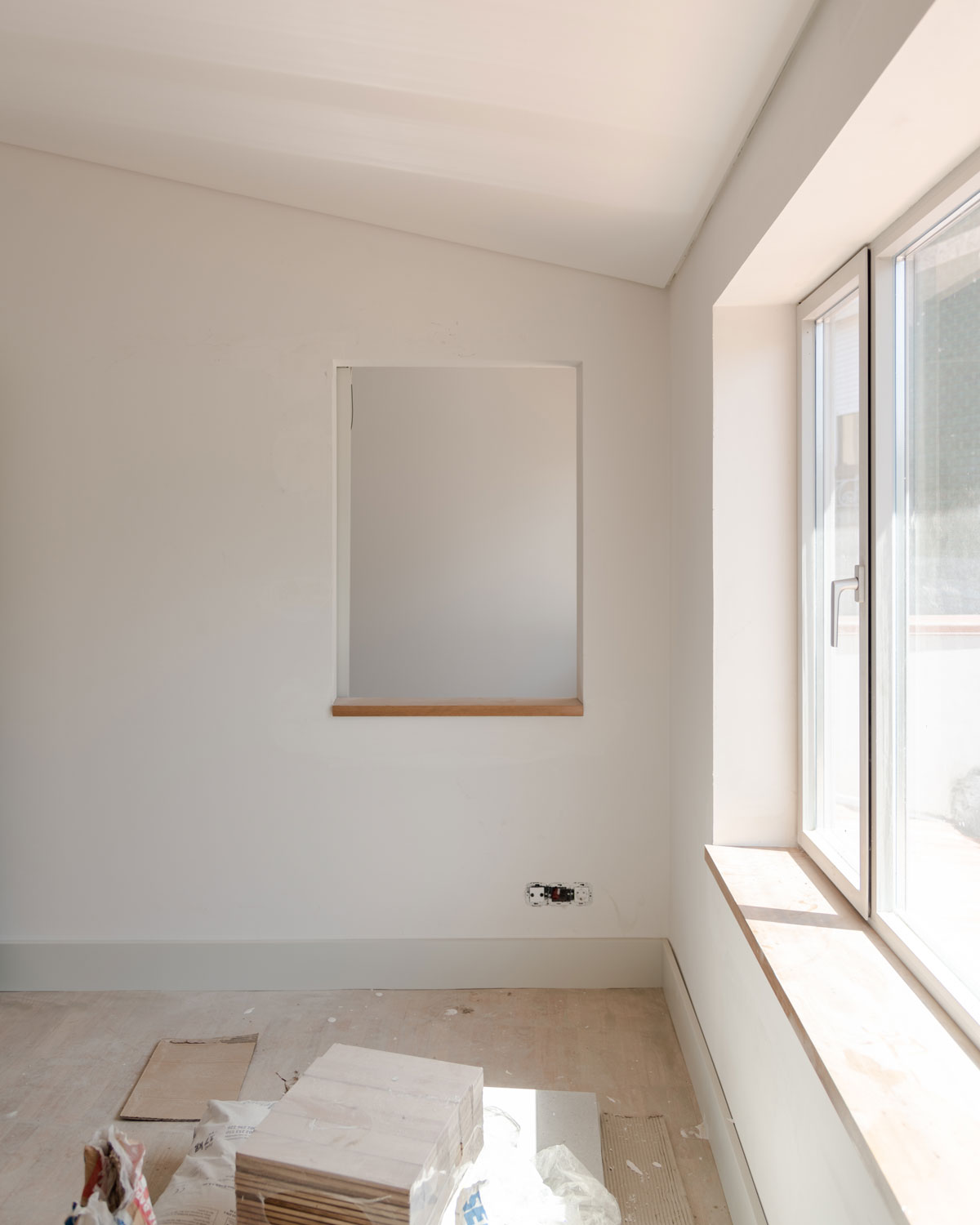
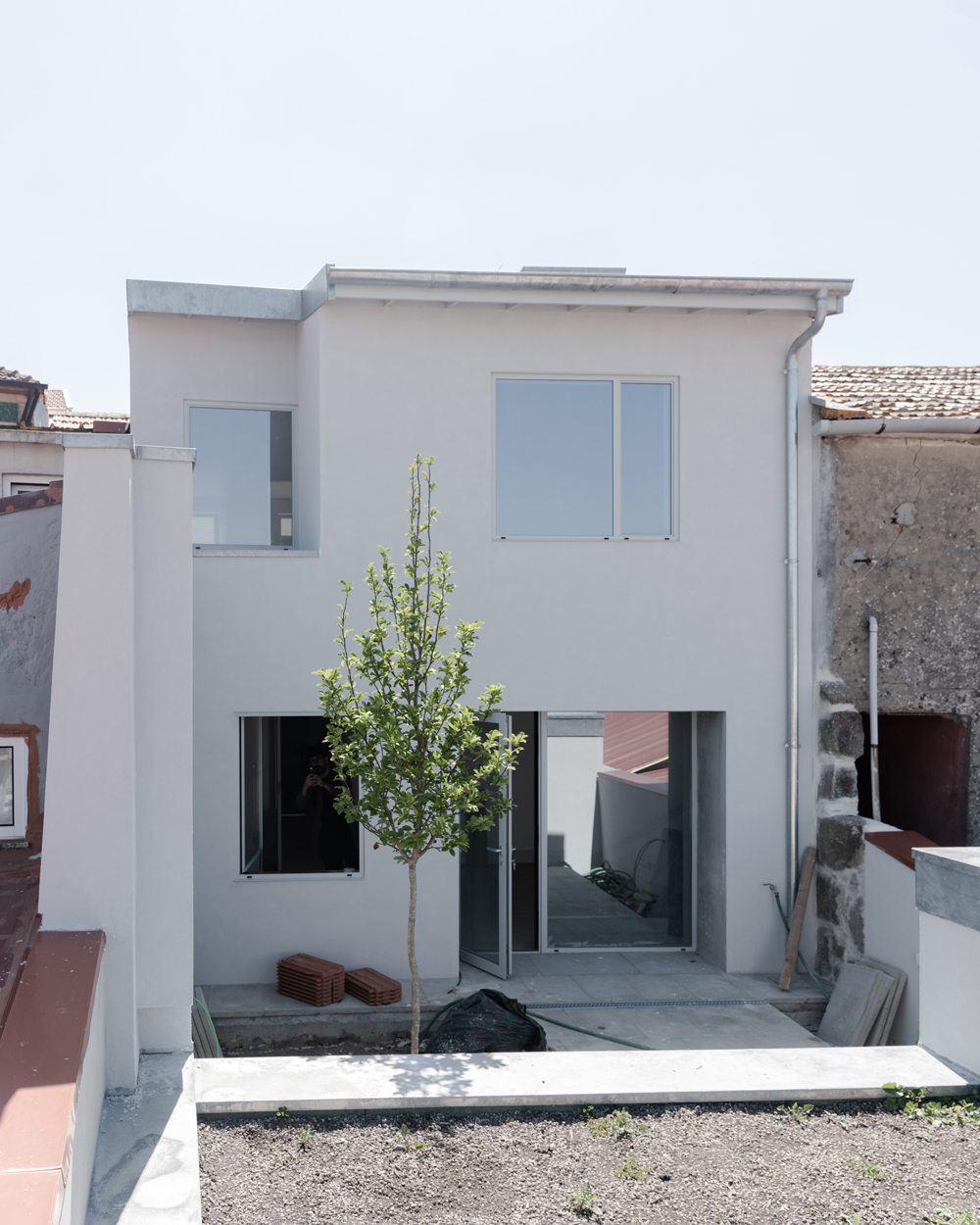
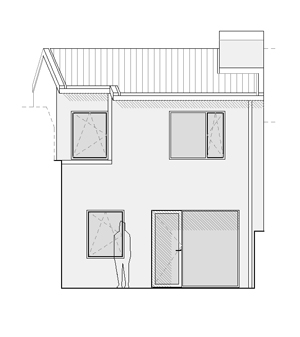
Casas no Monte da Lapa
Porto, 2022-

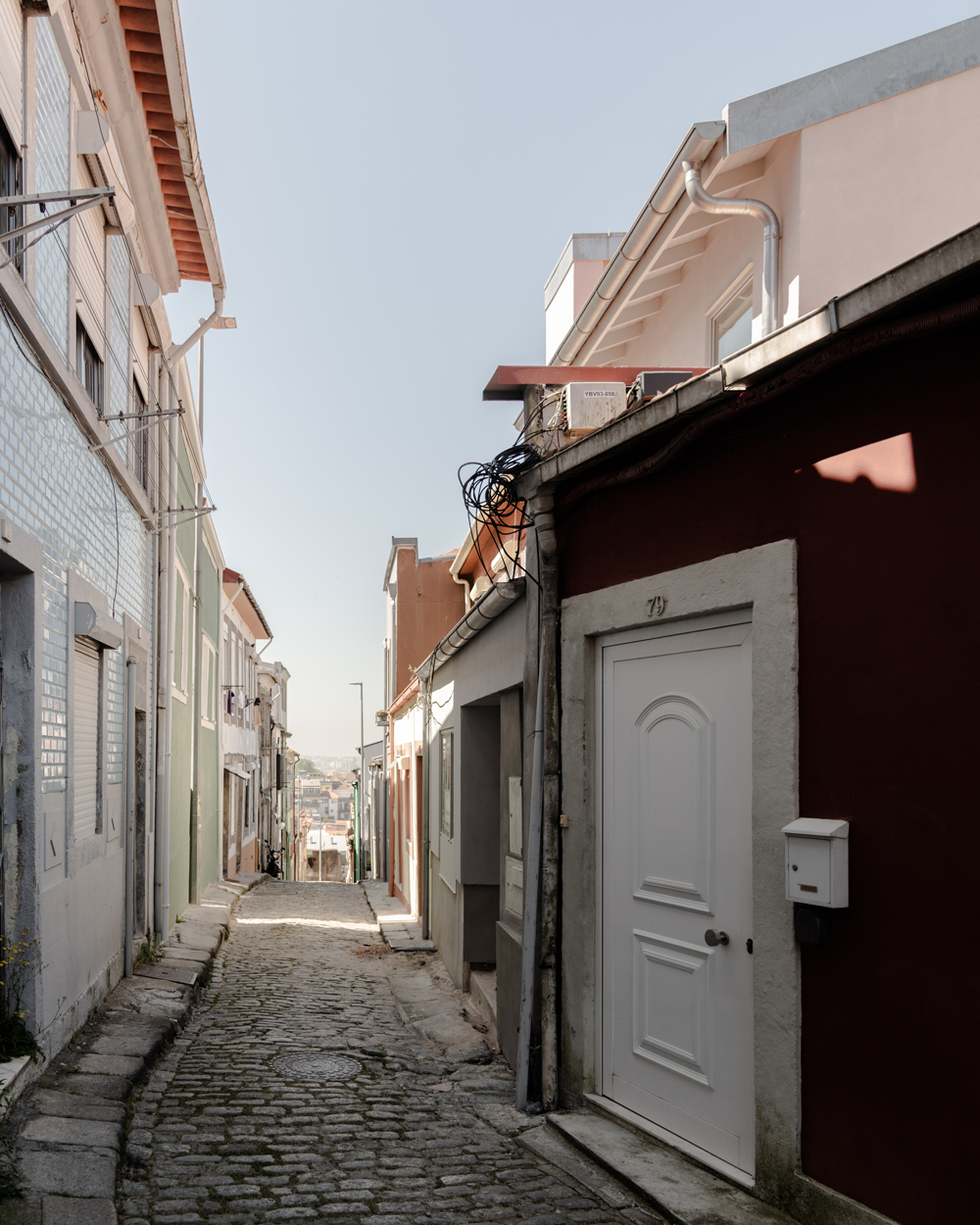
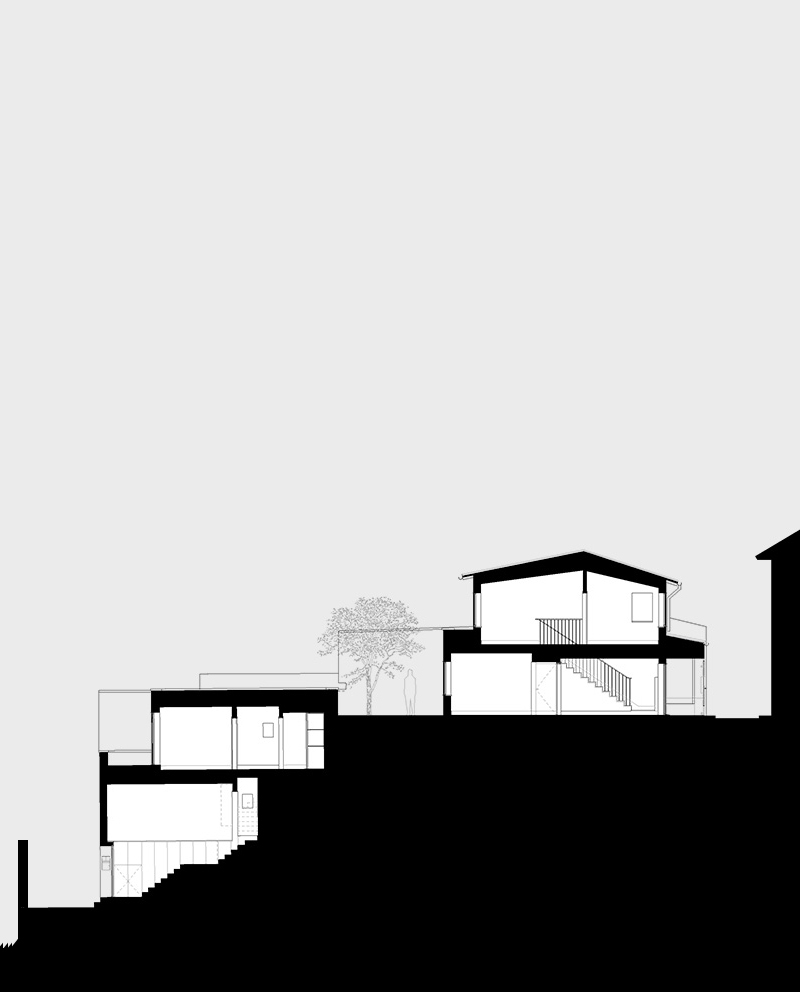
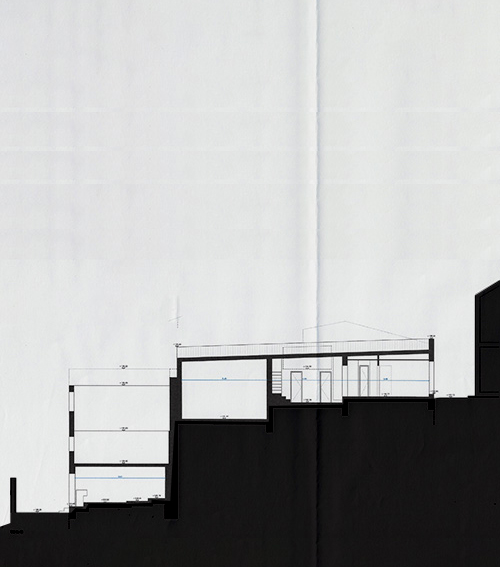
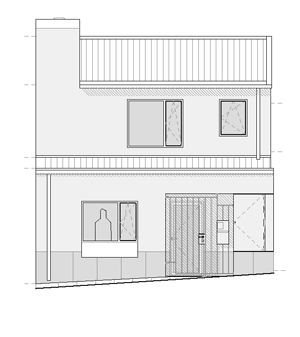
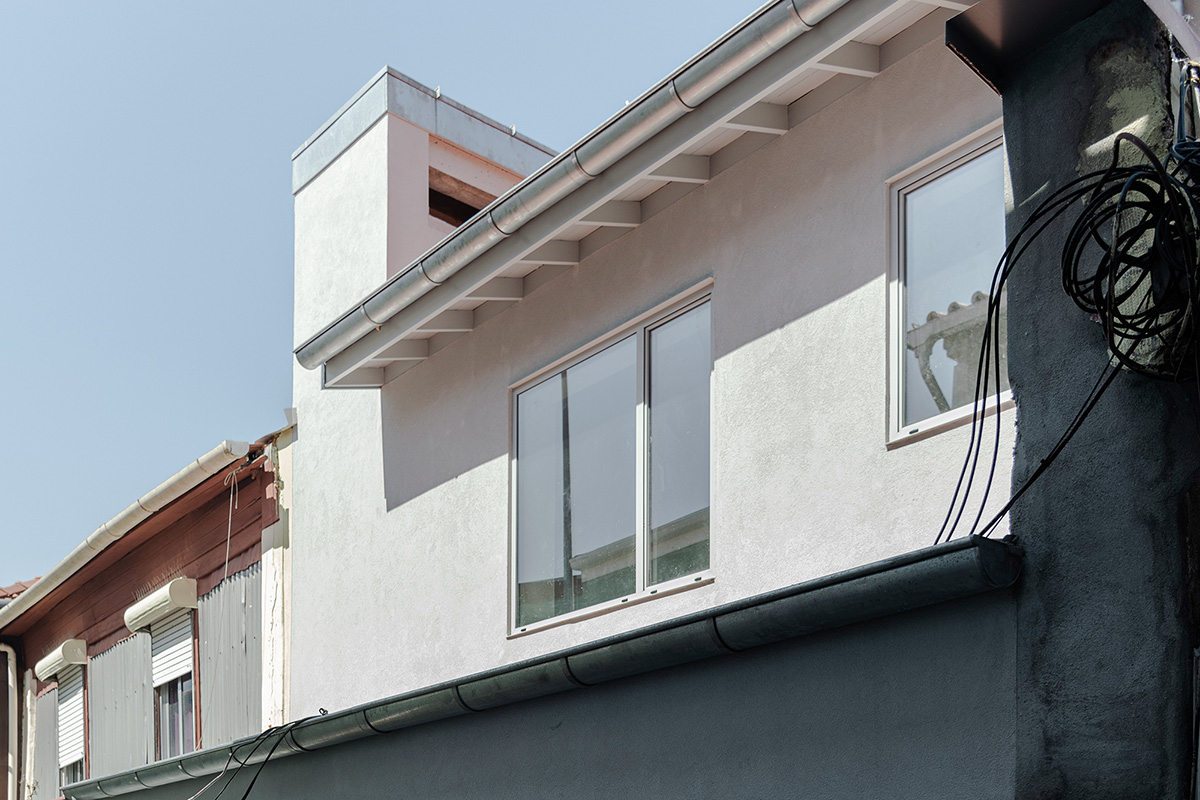
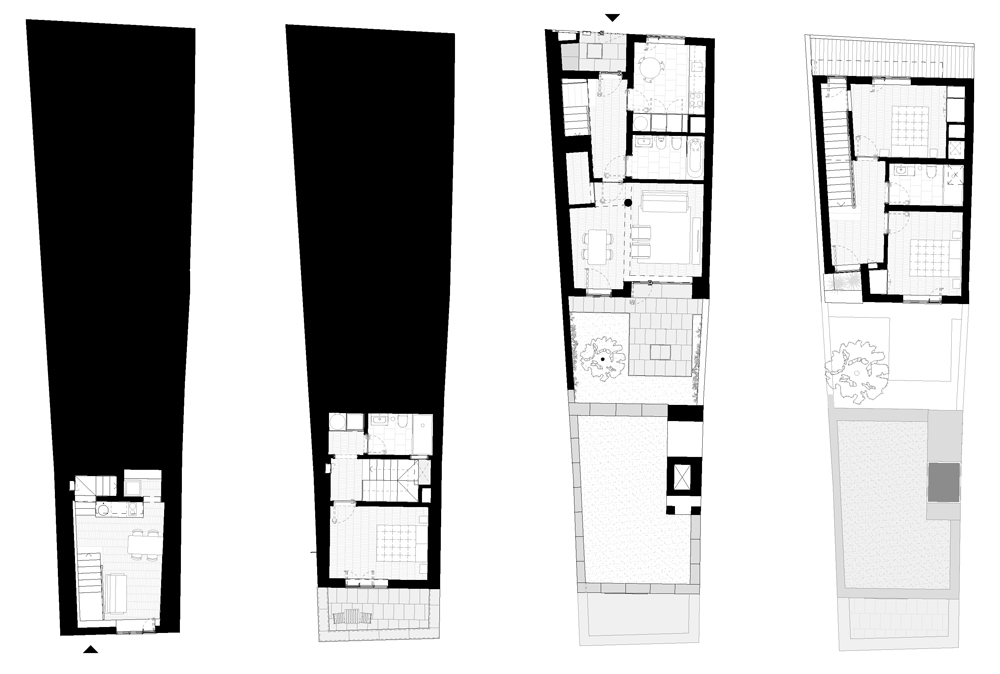
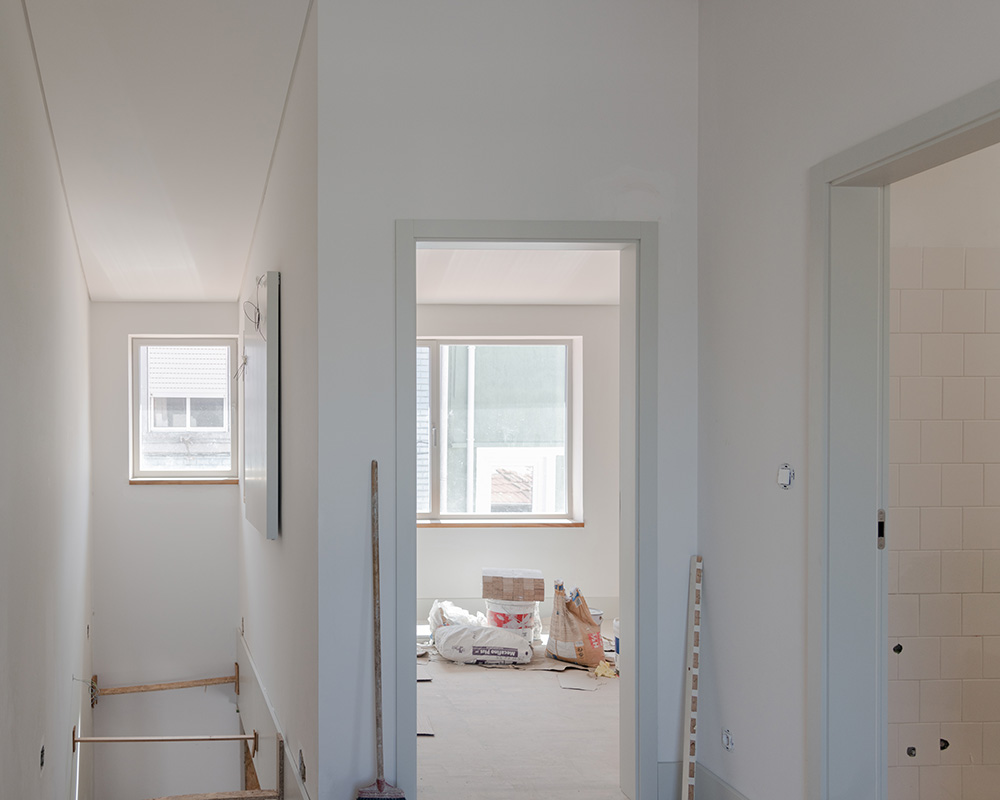
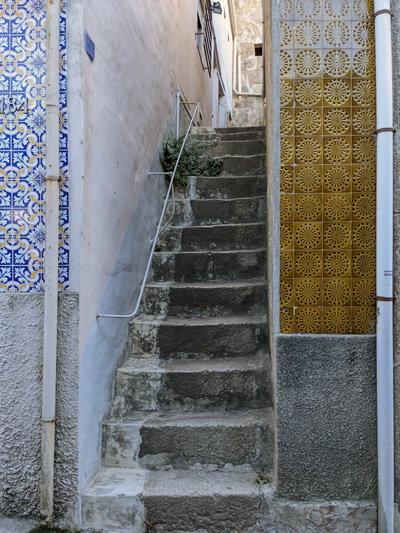
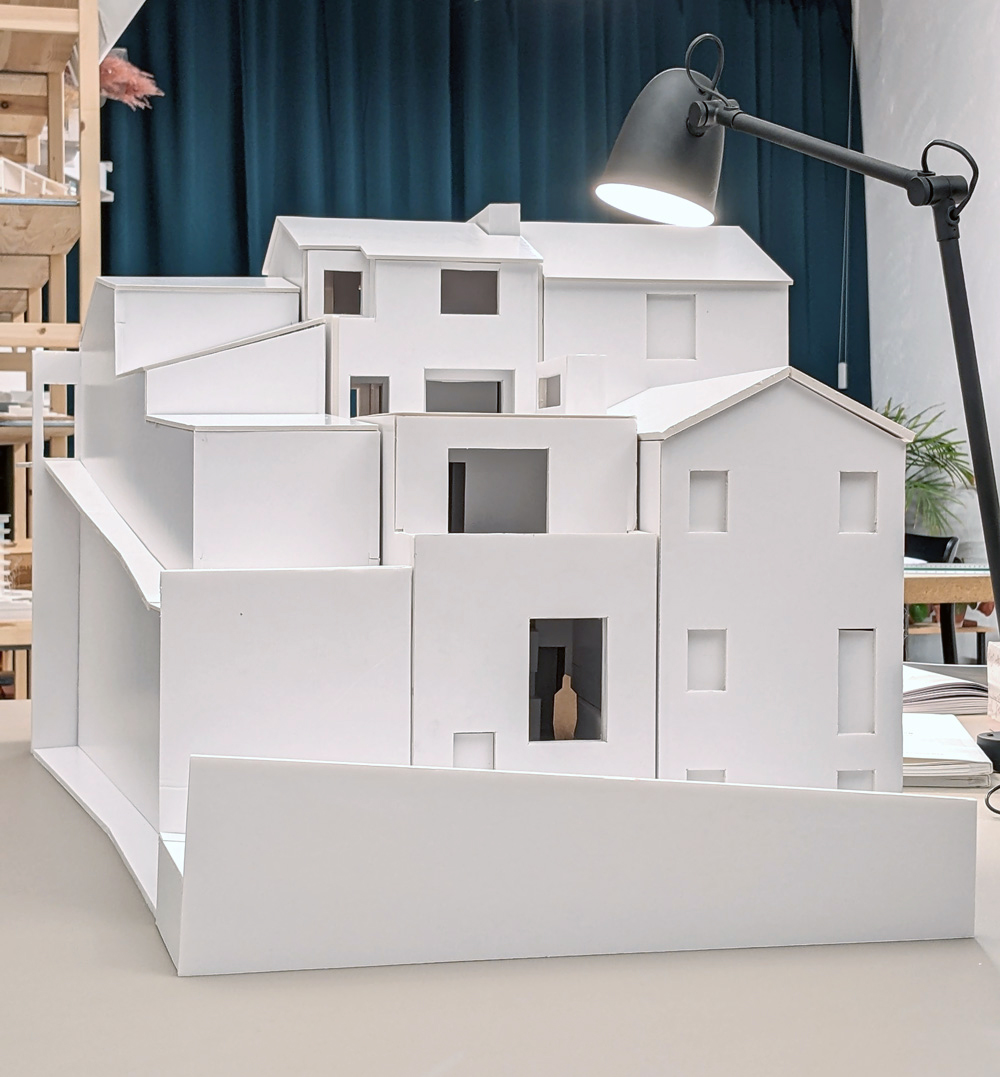
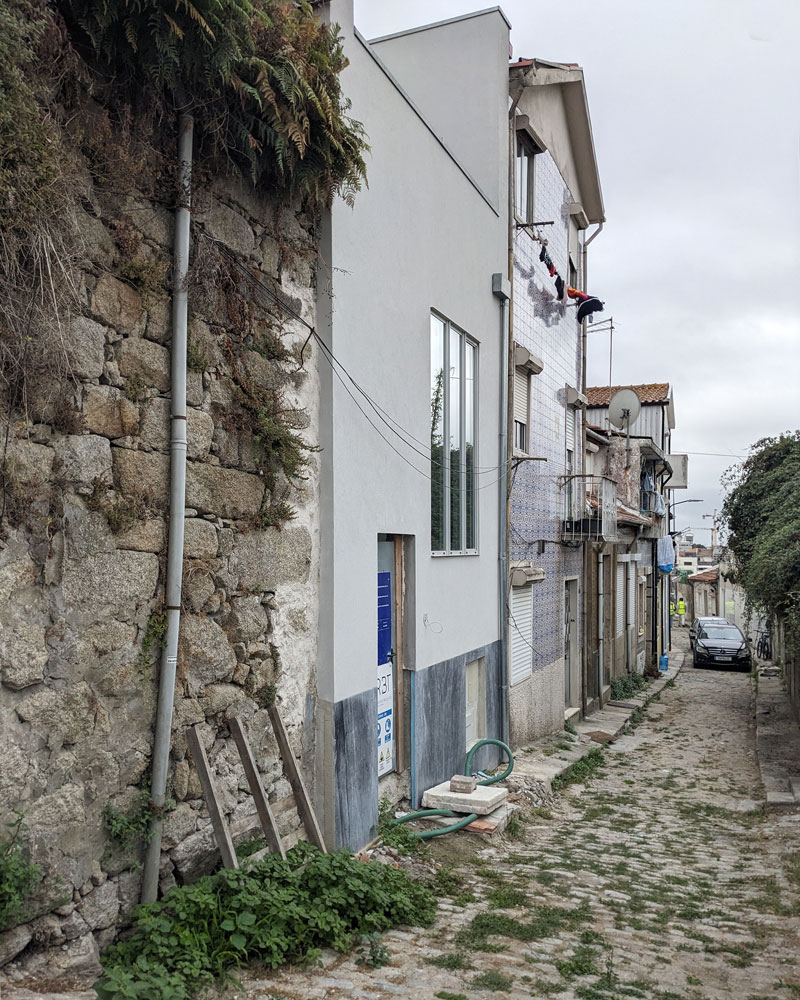
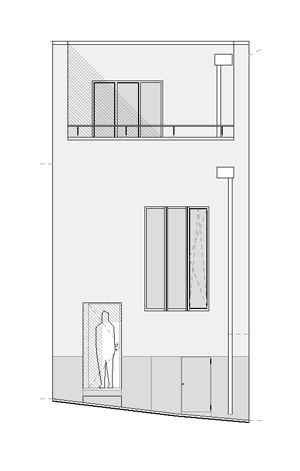
The urban morphology of Monte da Lapa, combined with its steep and rugged topography, added to the difficulty of the project: two houses facing each other on a narrow, deep plot connecting streets with a three-storey difference in height. We proposed accentuating the difference in height and character of the houses to create outdoor spaces with open views. The lower house (Sra. da Lapa), necessarily small in size, has only two floors and a single bedroom with a west-facing terrace. The living room, now slightly elevated in relation to the street, compensates for its small size with an unexpected high ceiling and a generous window. The house on the upper level (Glória) establishes a familiar relationship with its surroundings: a gabled roof with Marseille tiles and eaves, two openings on each floor with two glass panels each, with the upper floor set back, where applicable. Inside, longitudinal sightlines and natural light were prioritised in all rooms. In the garden, a magnolia tree.


Architecture FMVS
Consultants D'ALMEIDA
Contractor RBT
Photography Frederico Martinho

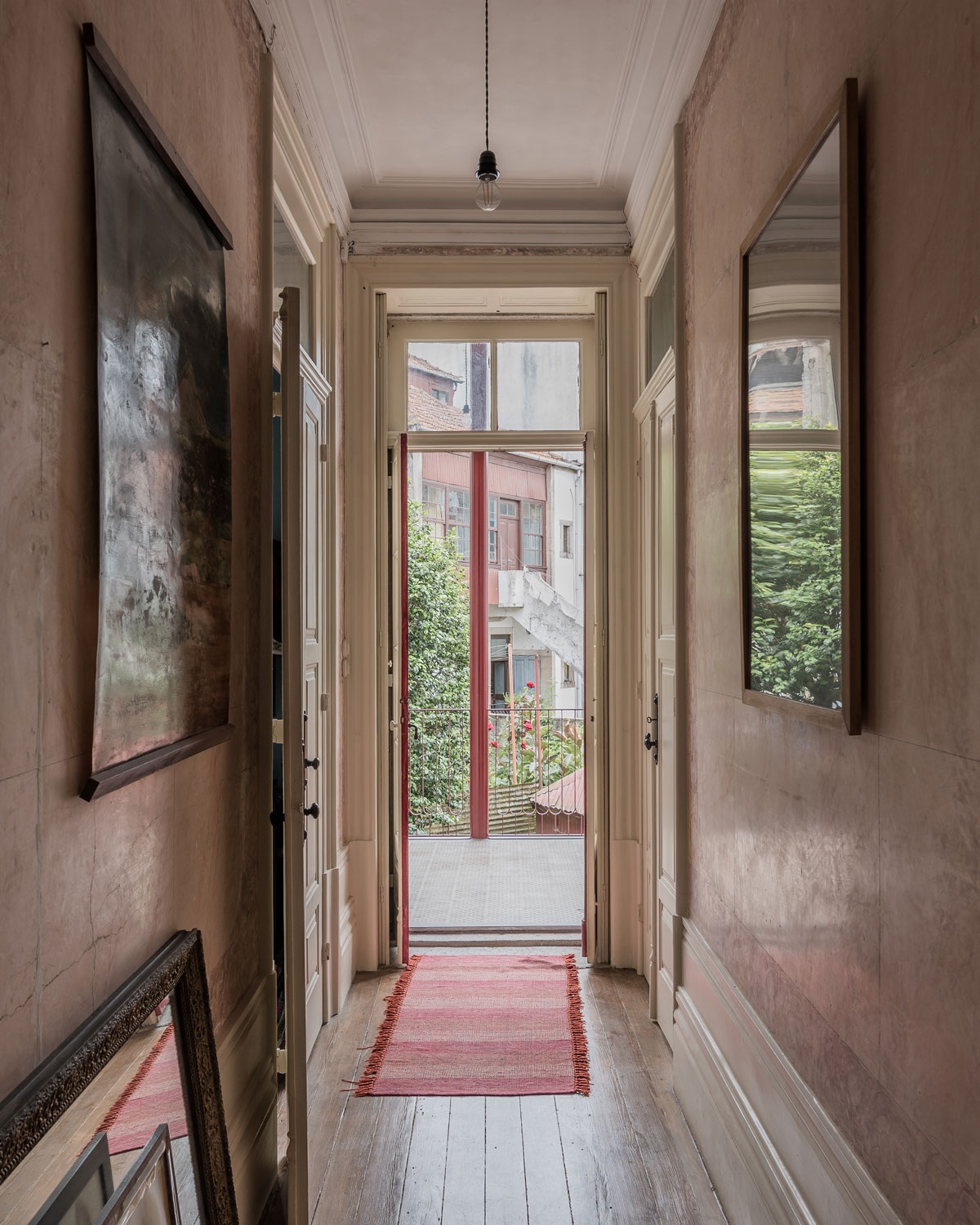
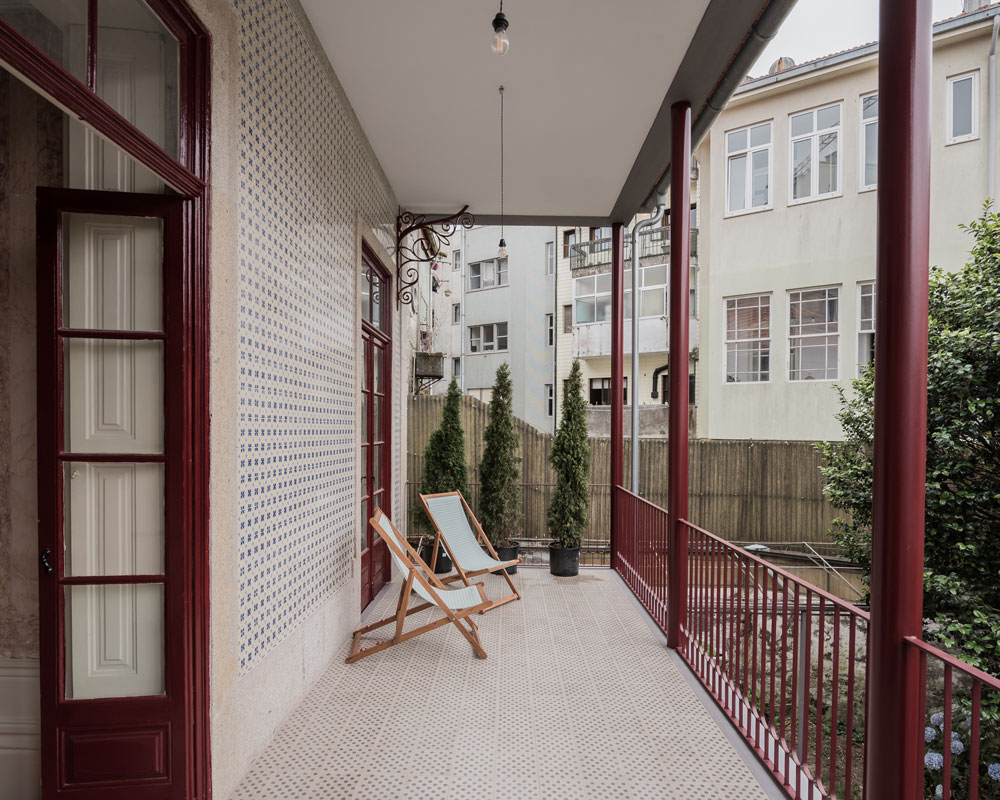
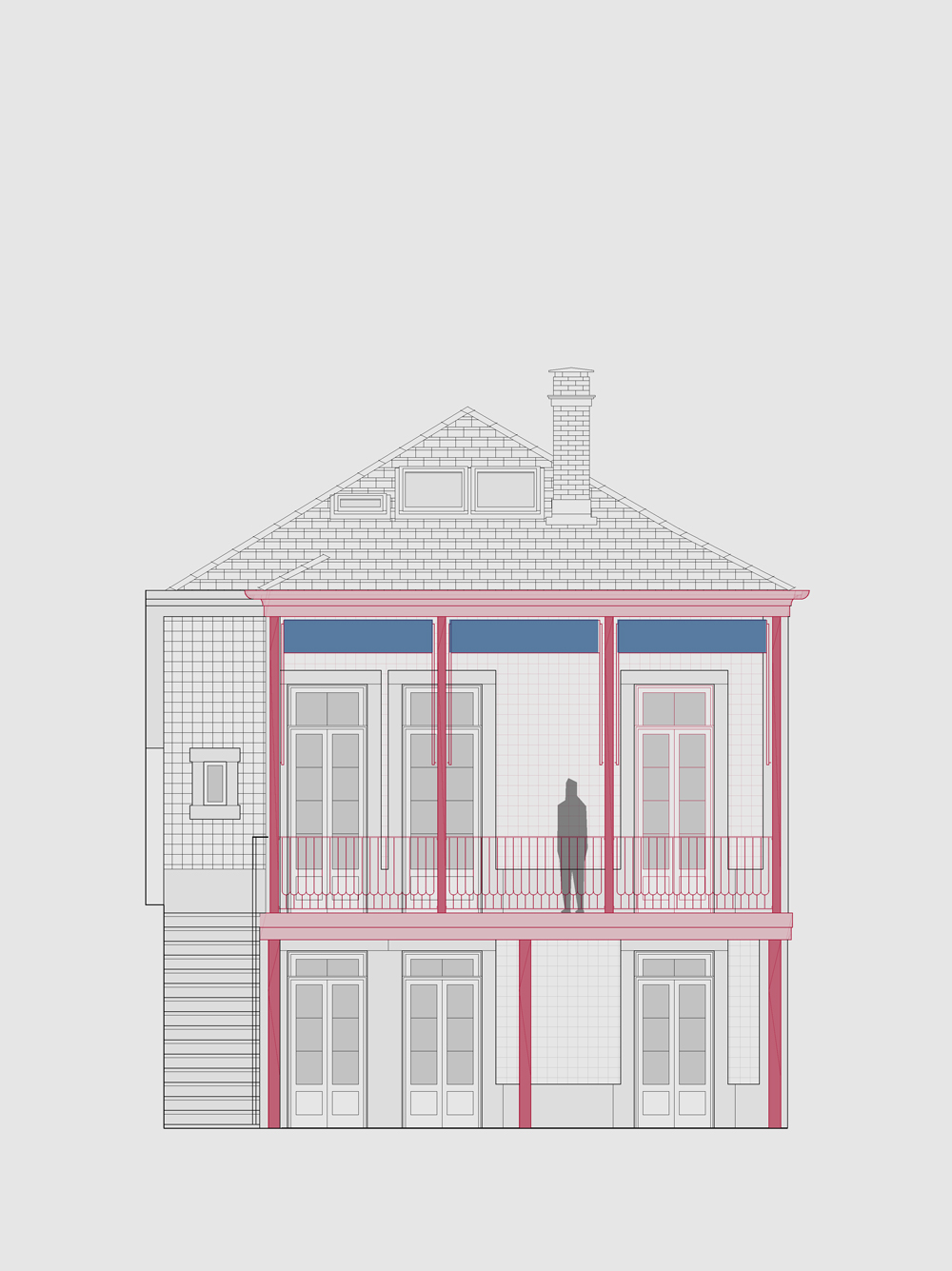
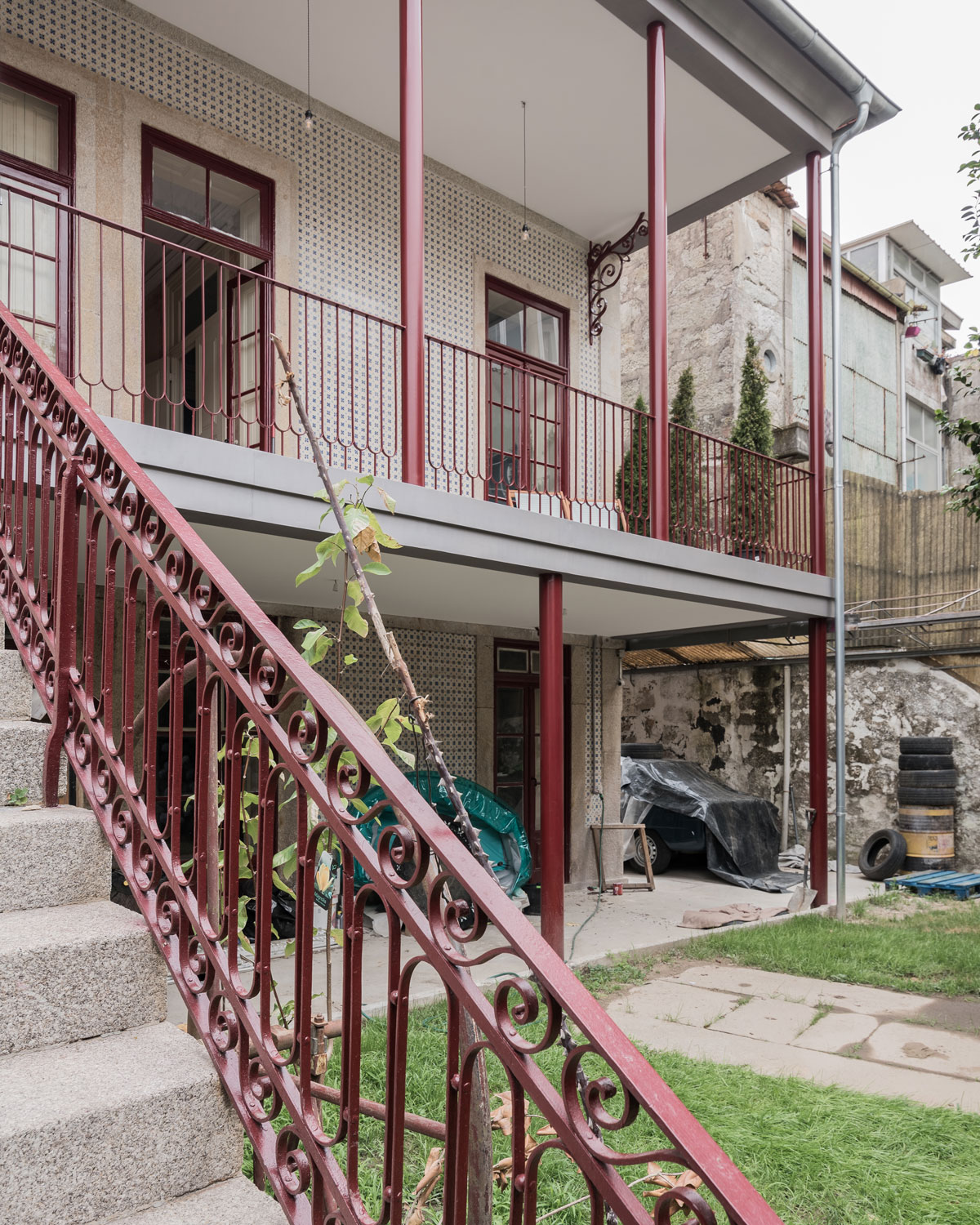
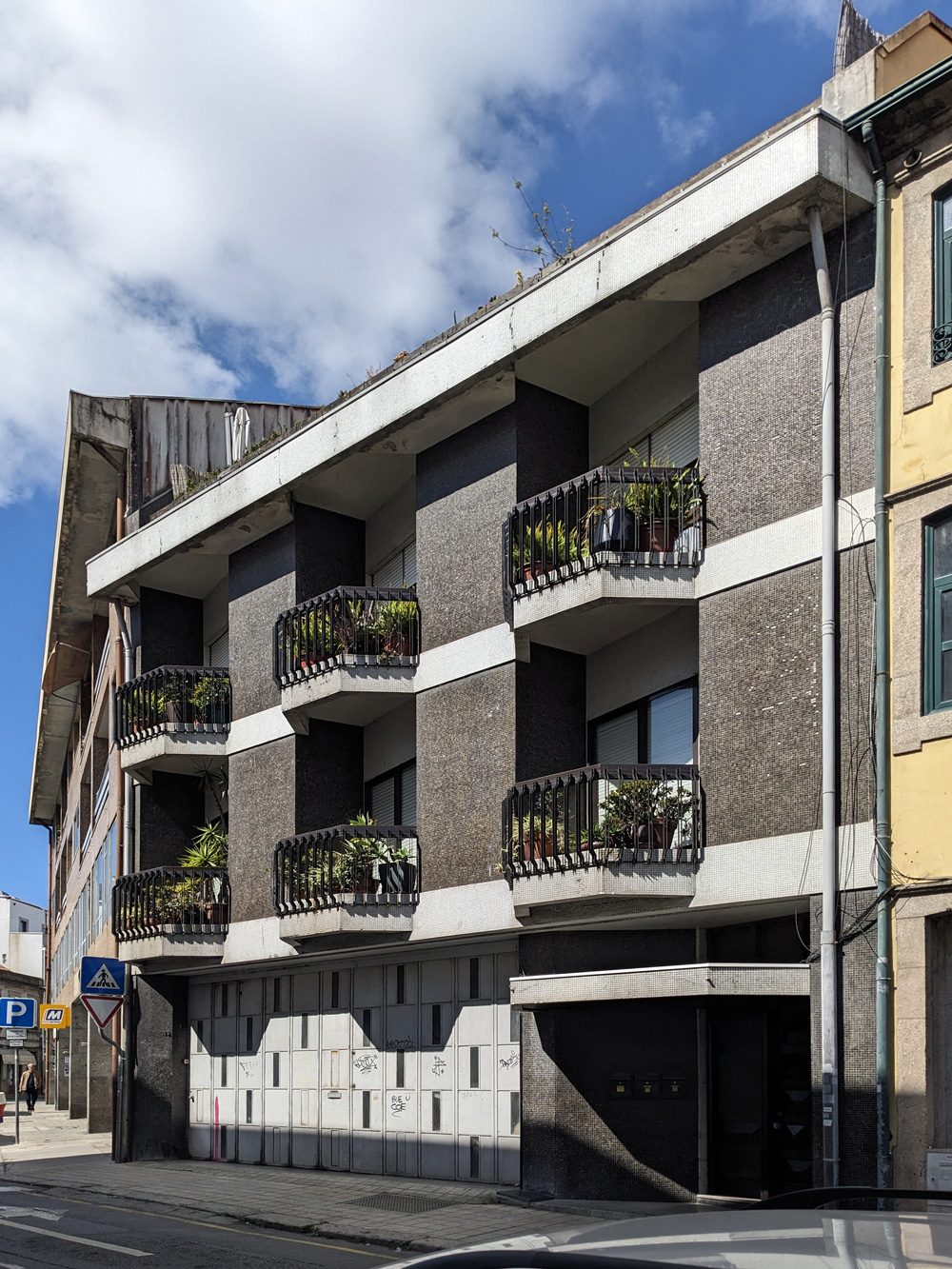
Duque de Saldanha
Porto, 2019-21

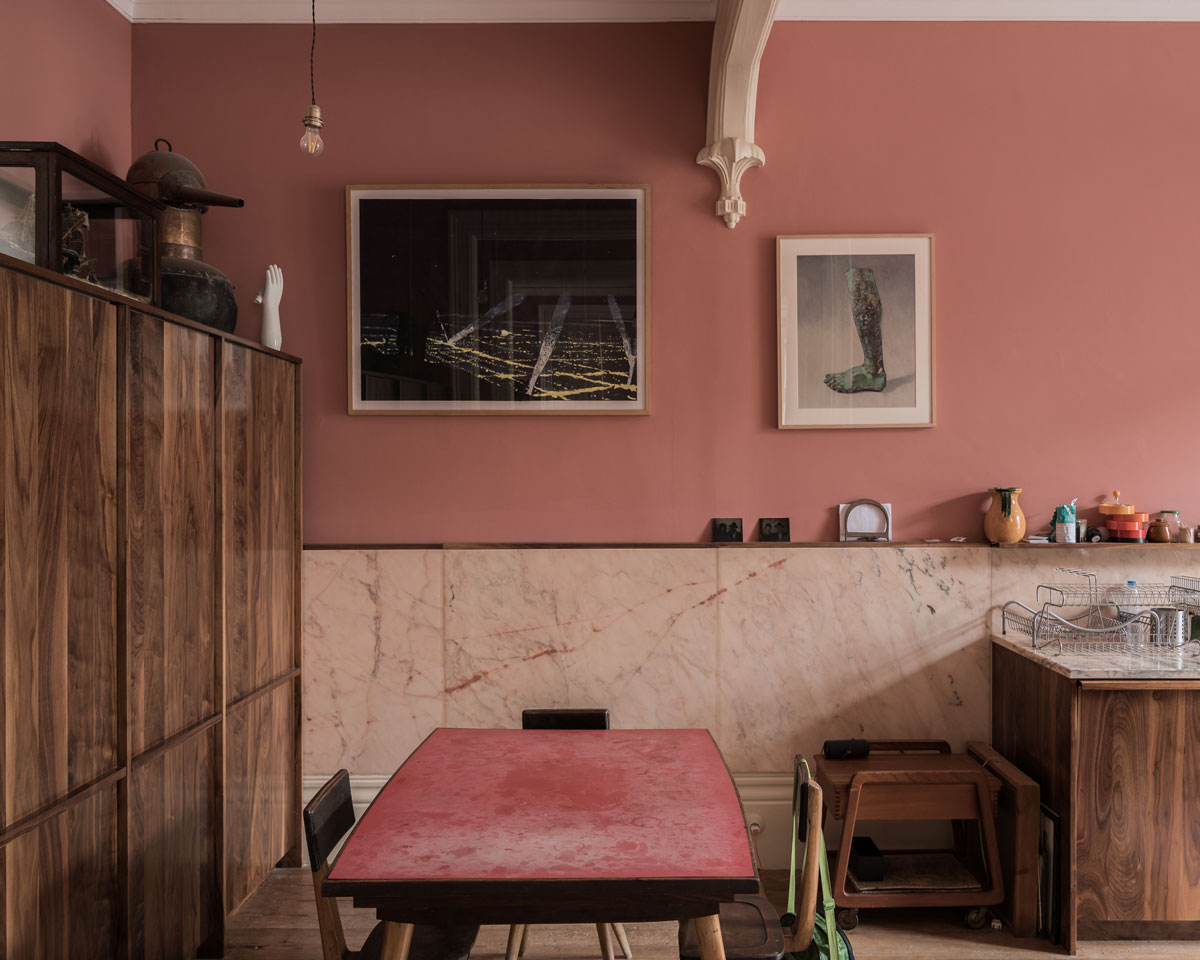
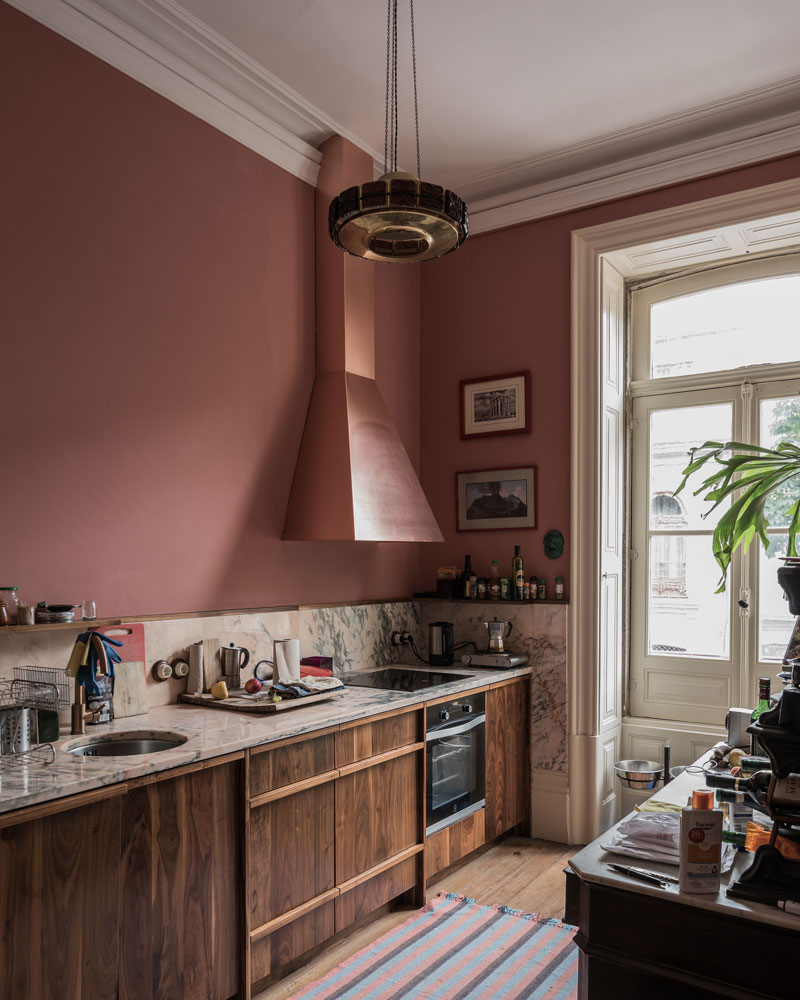
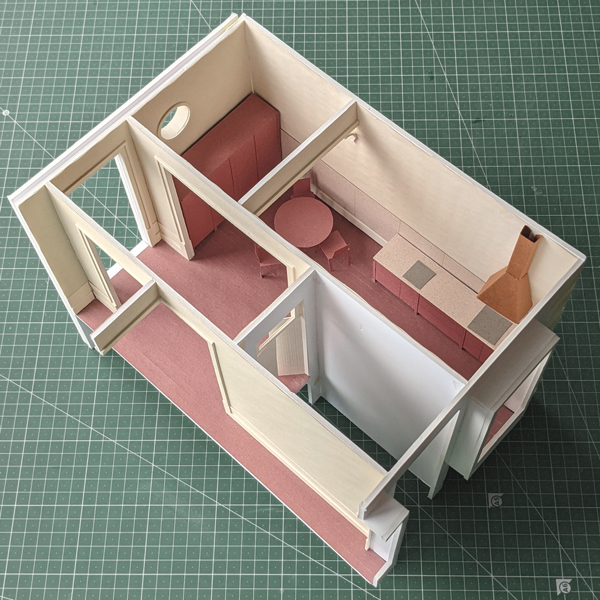
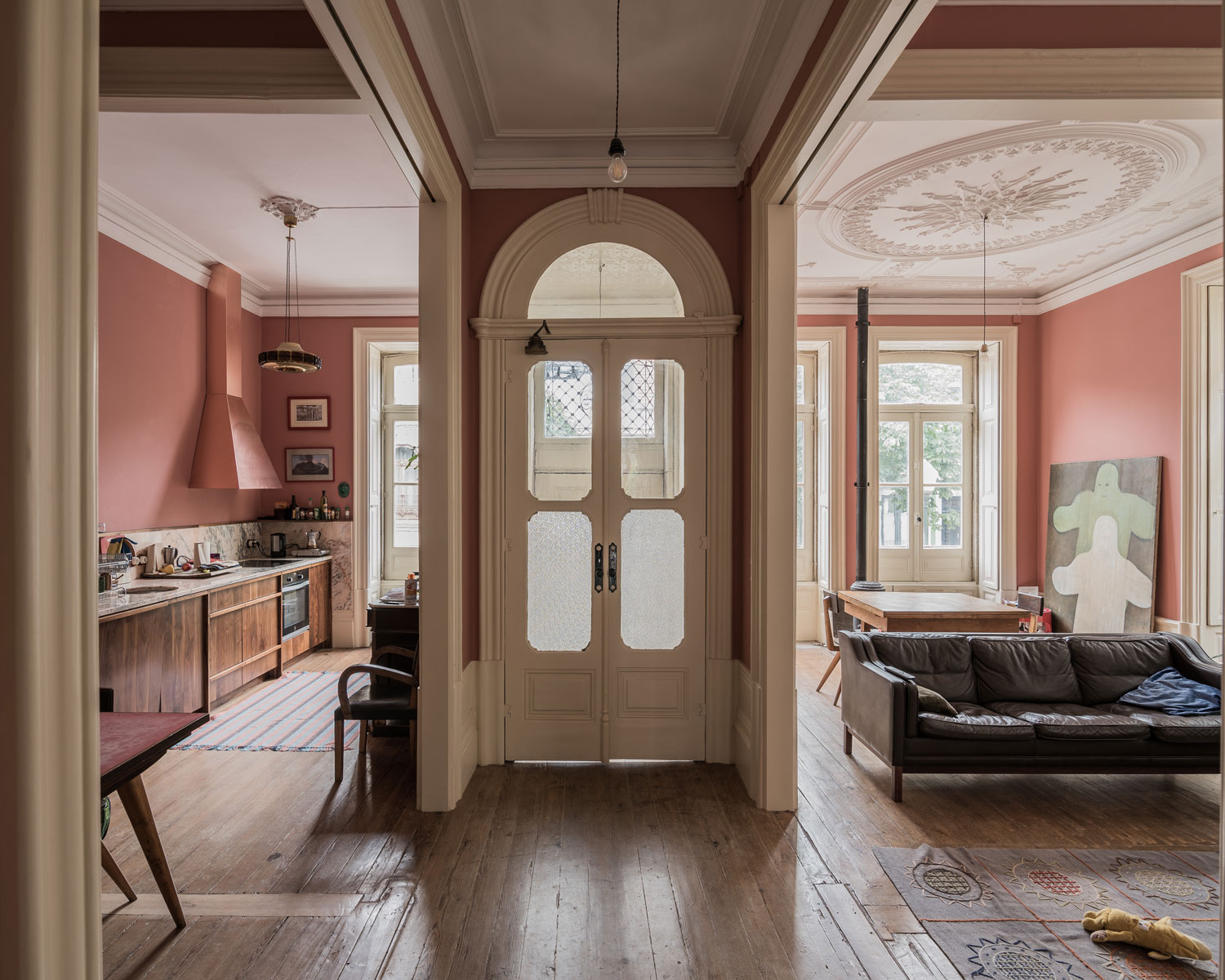
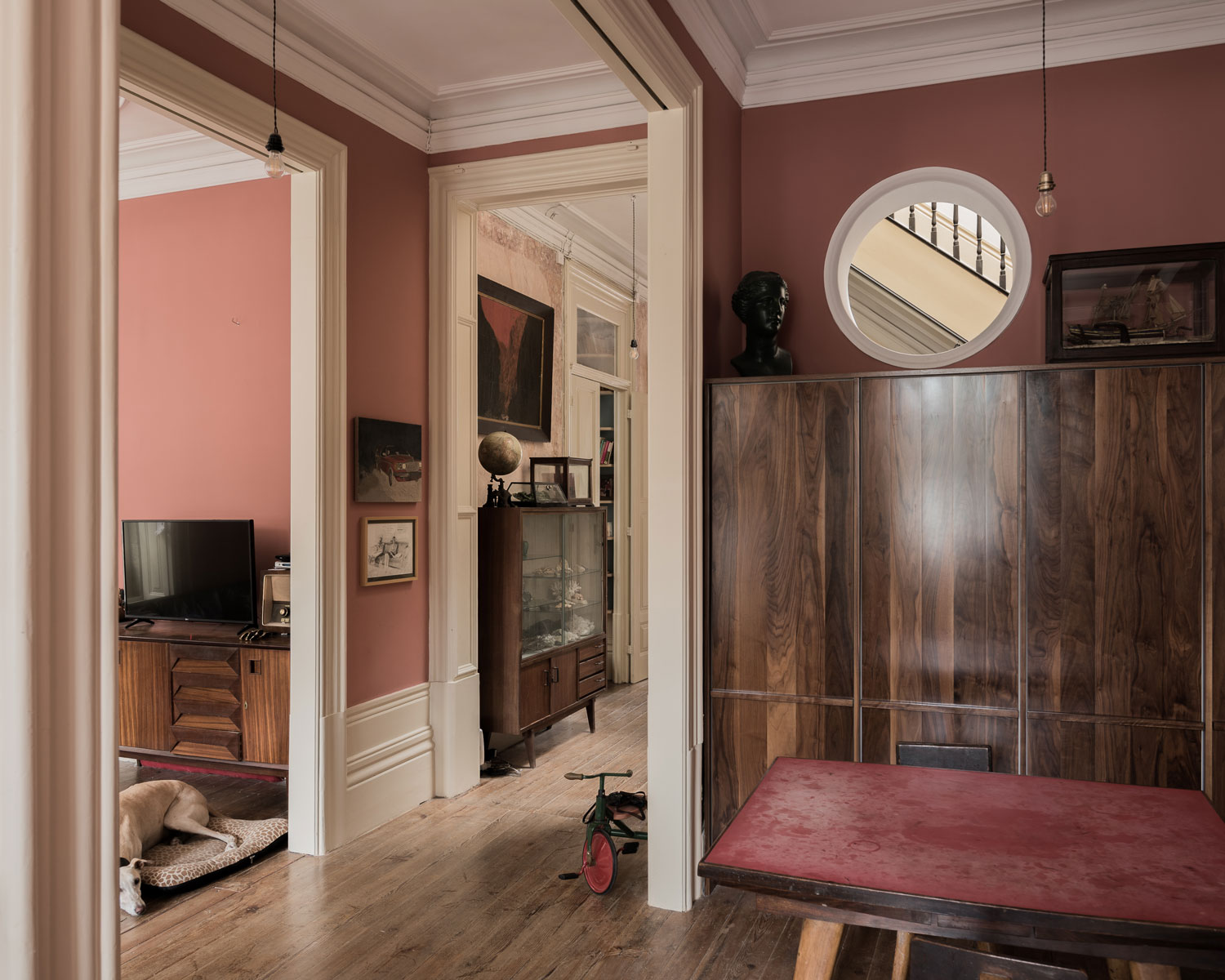
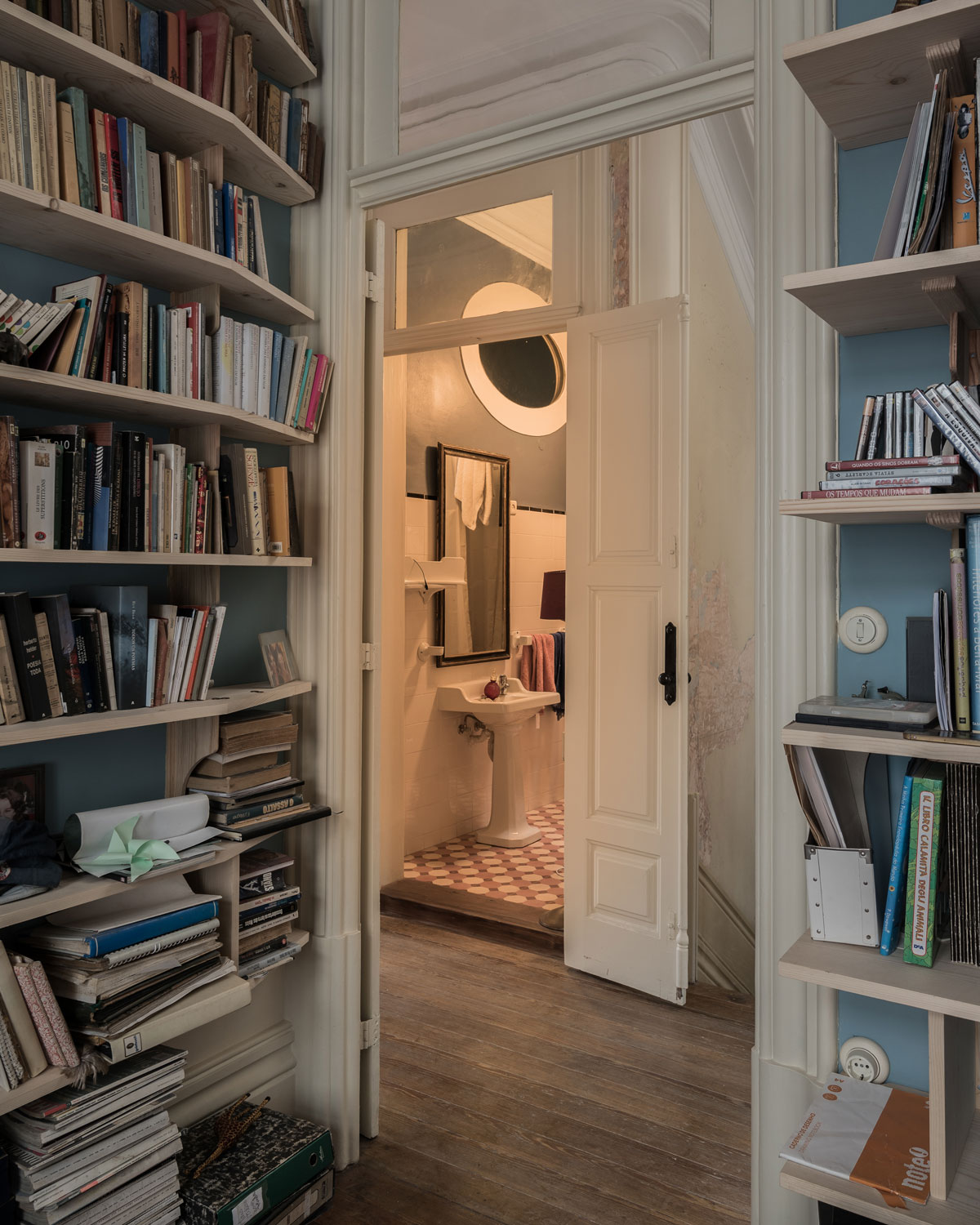
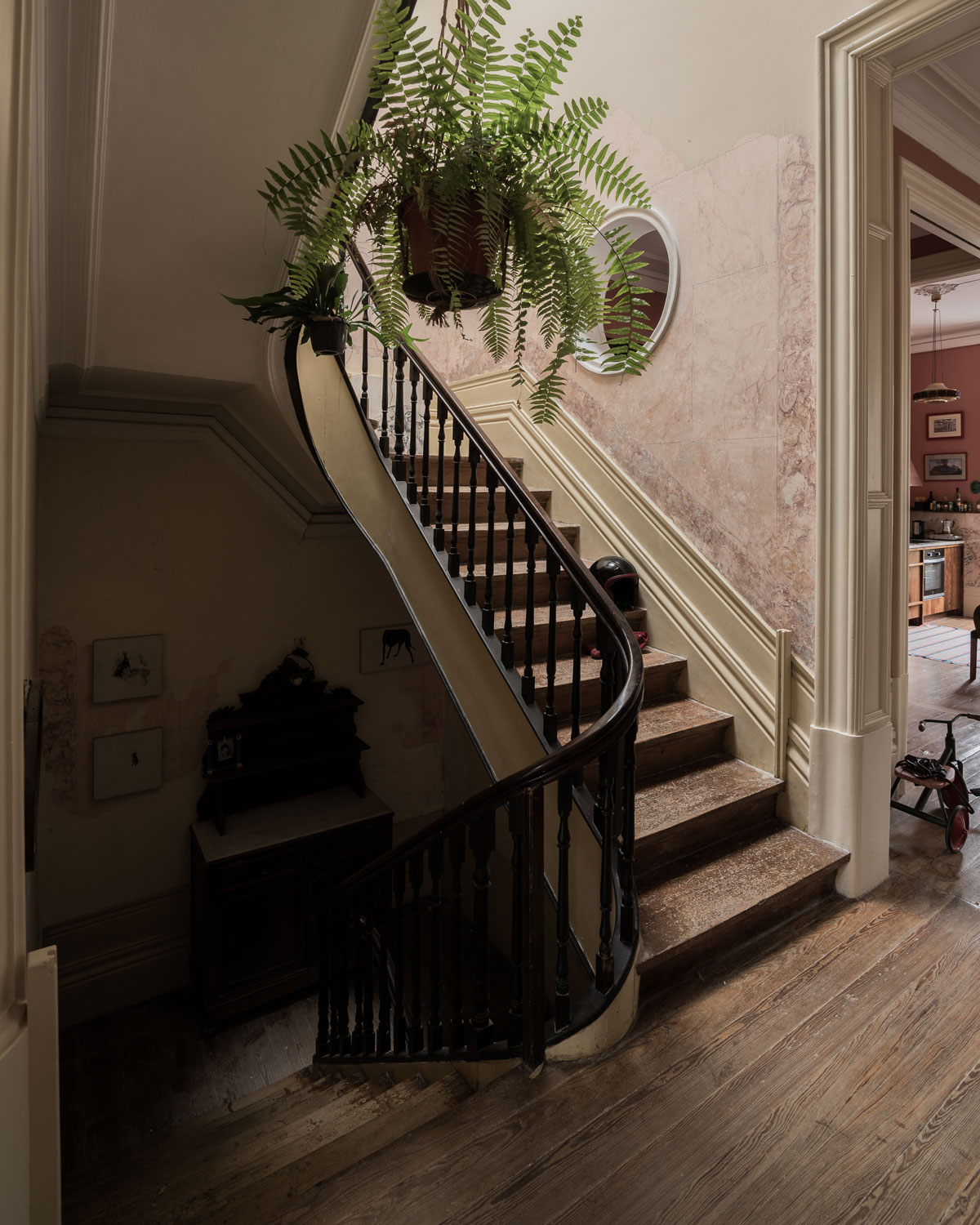
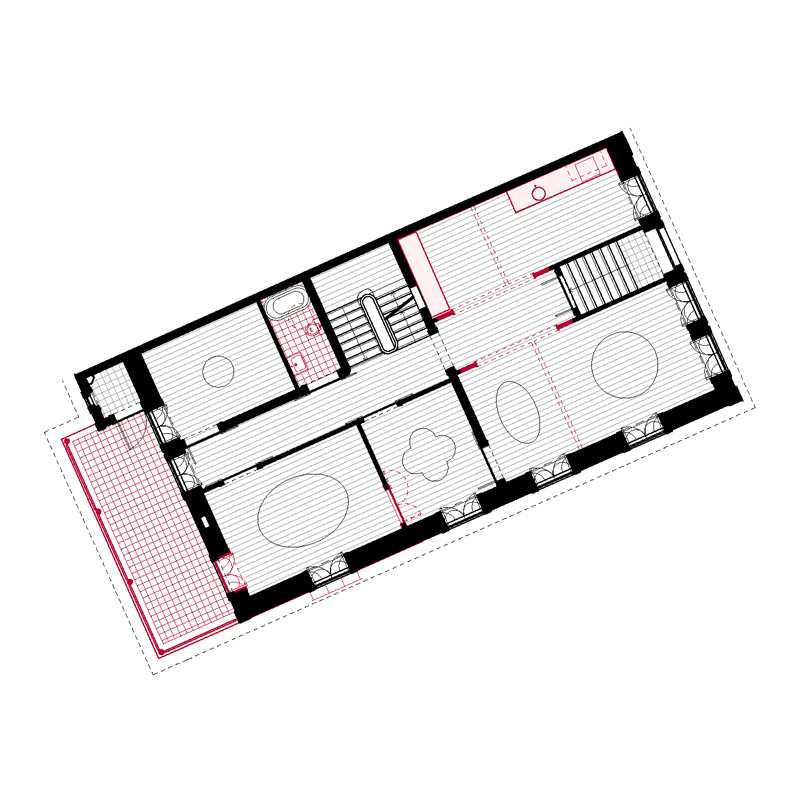
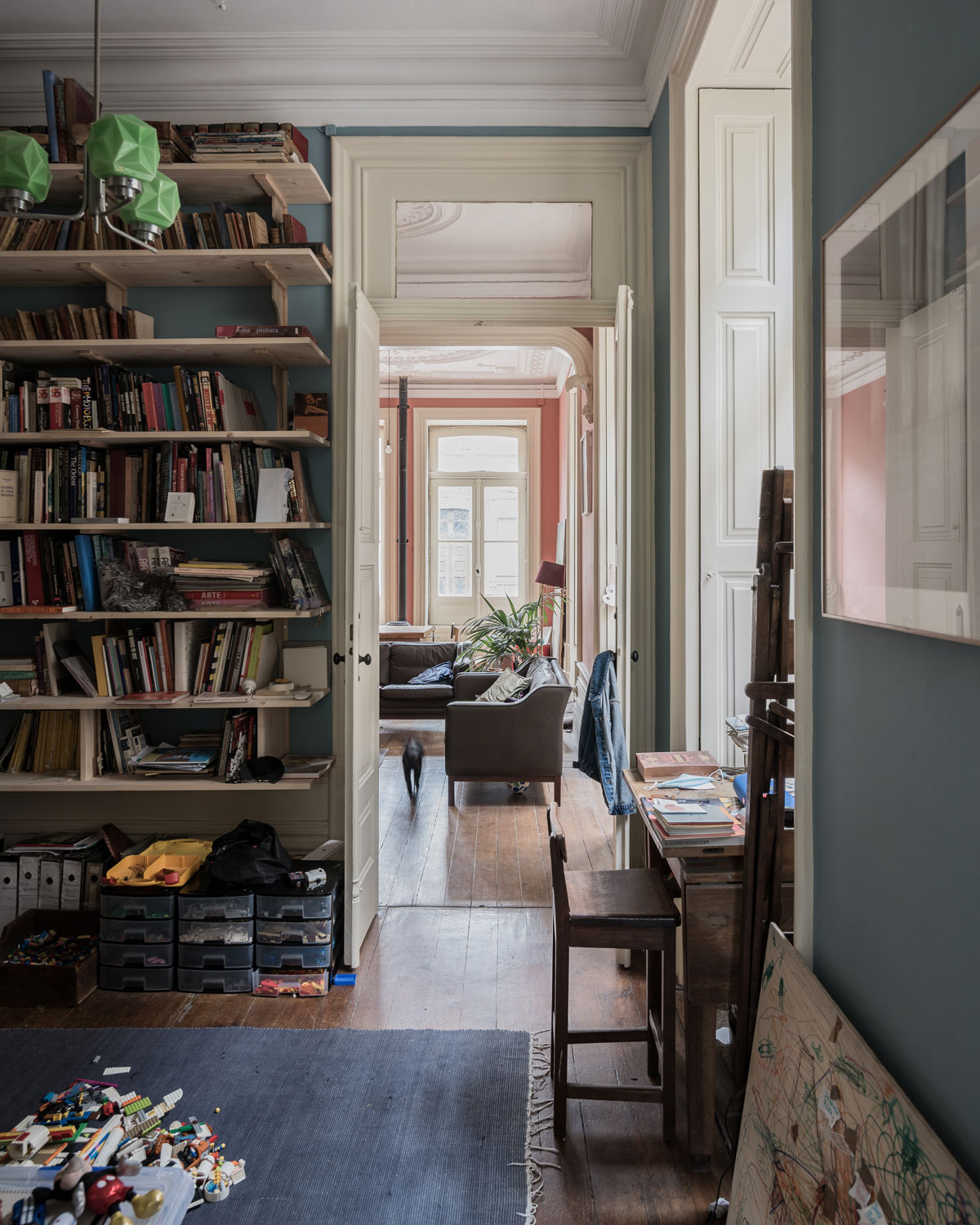
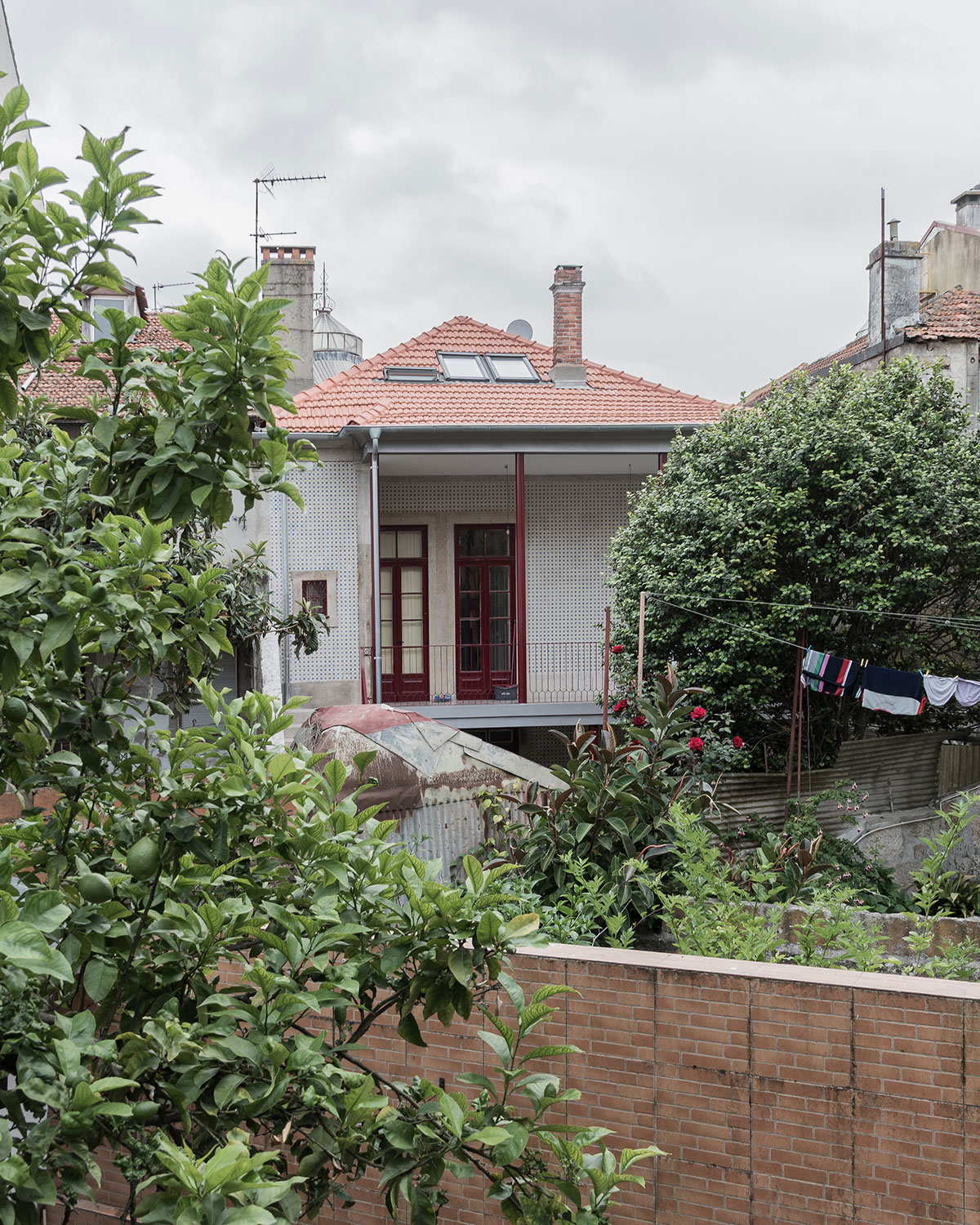
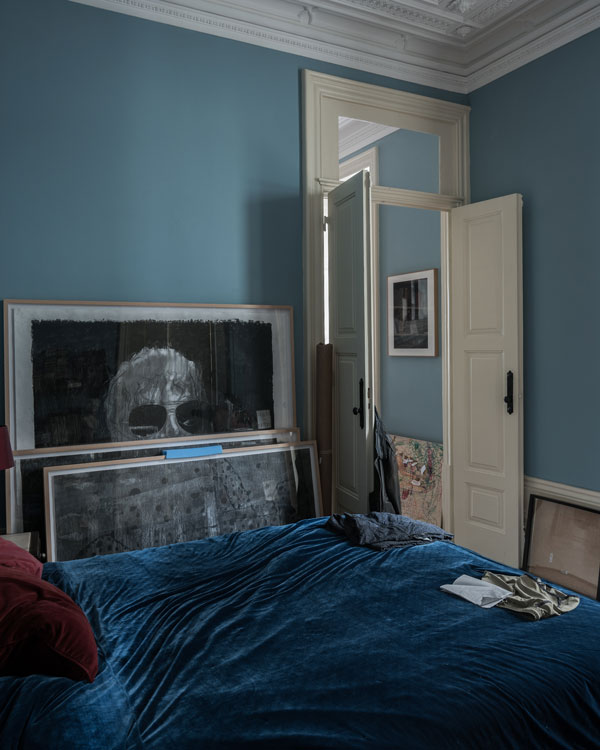
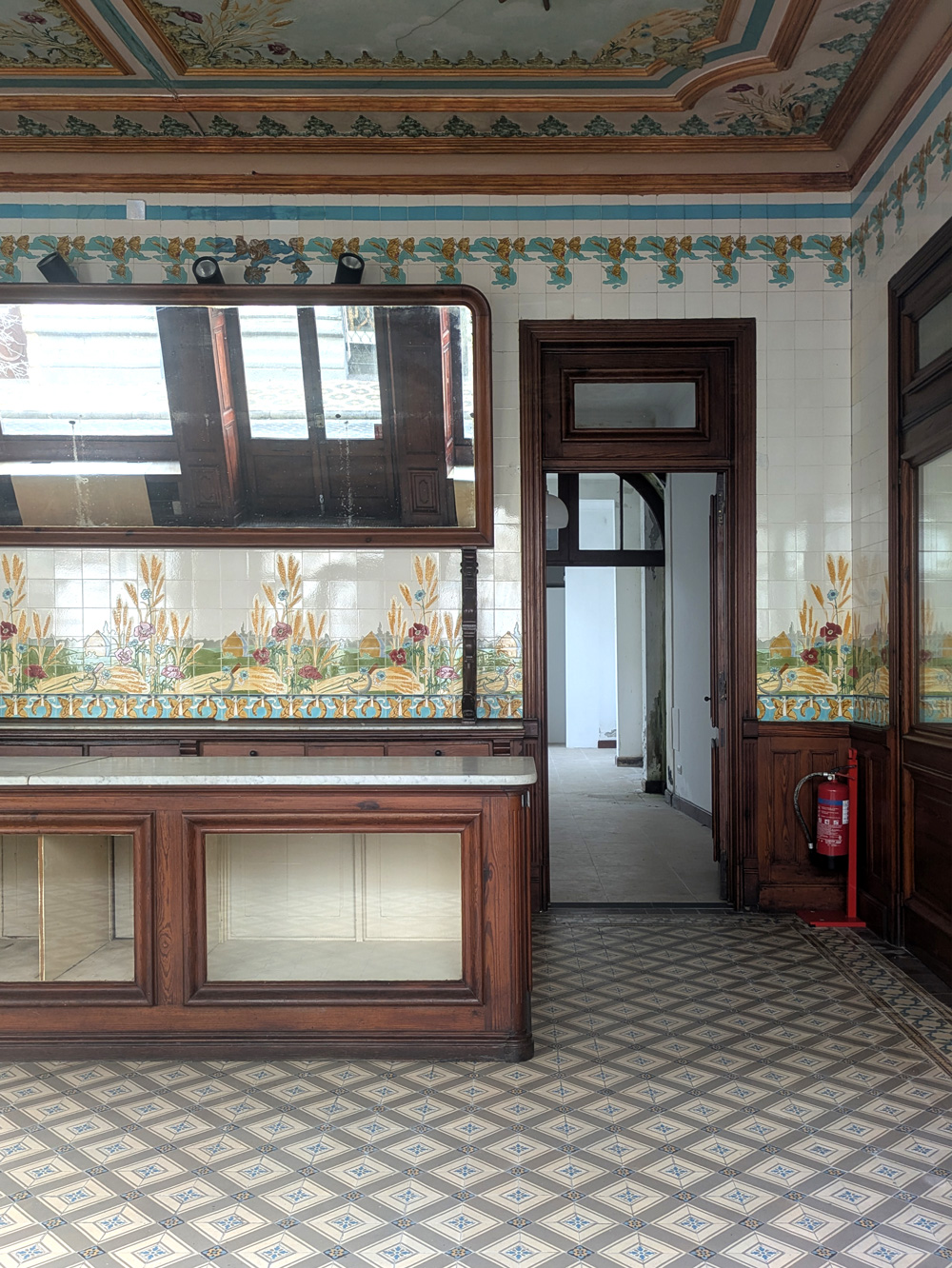
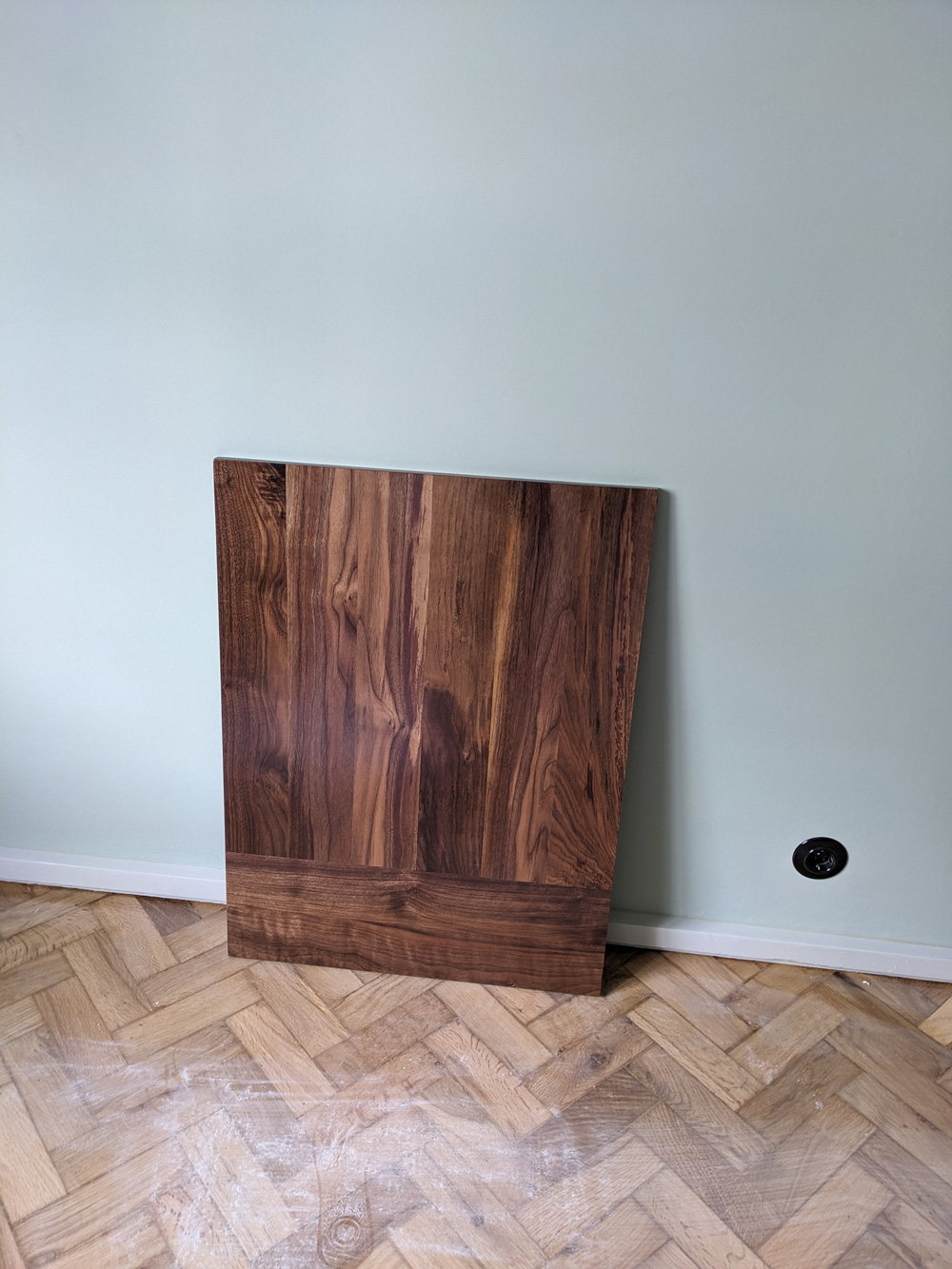
The (almost) surgical gestures were the relevant part of this operation intended to clarify and add a new dimension to the spaces of an existing 19th century bourgeois house. Without giving up the density of the past, it was possible to create niches and glass circles, add new veins to the enfilade, open it up to the sky and to the summer garden, establishing multiple links to the outside, through light and materials, and drawing up new features. The comfort of the colour was drawn from the sensitivity of those who live in it, from the warm walnut and the unexpected water-coloured wall, which brought Pompeii to the Bonfim neighbourhood.


Architecture FMVS
Contractor MS Ferreira
Photography Frederico Martinho

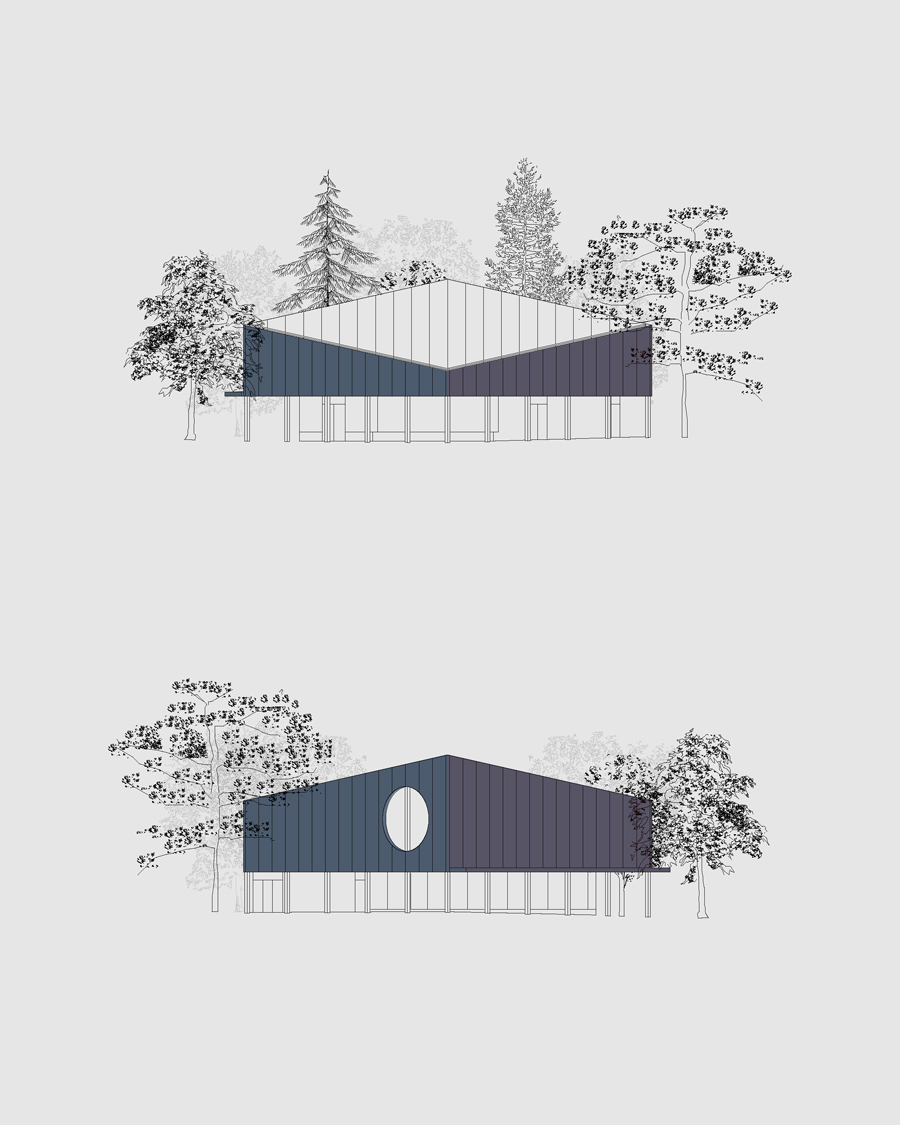
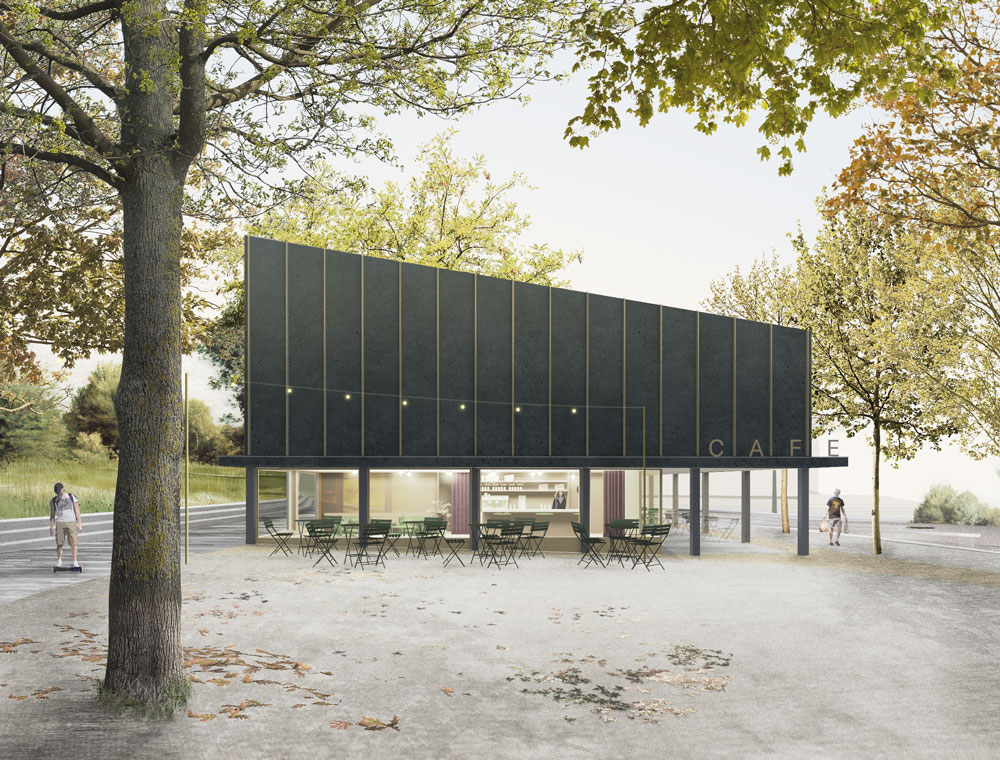
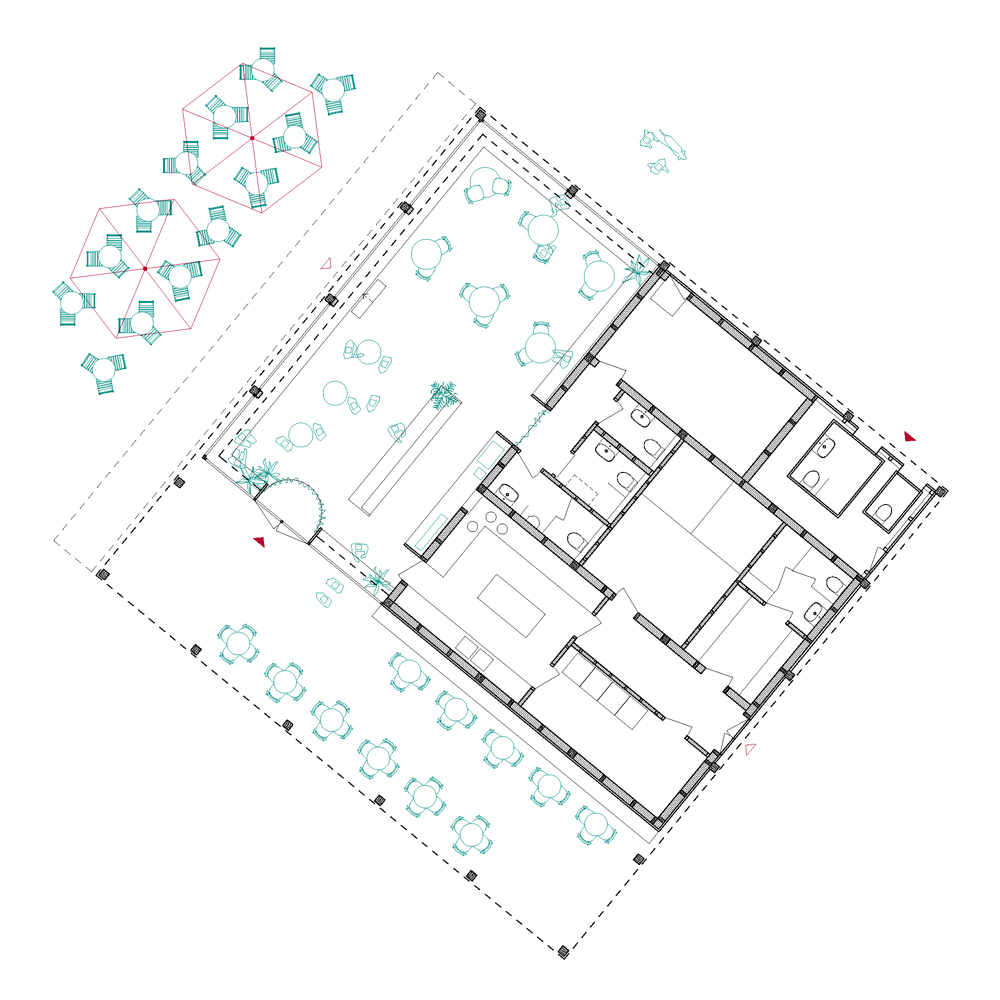
Pavillon im Park
Zurique, 2020

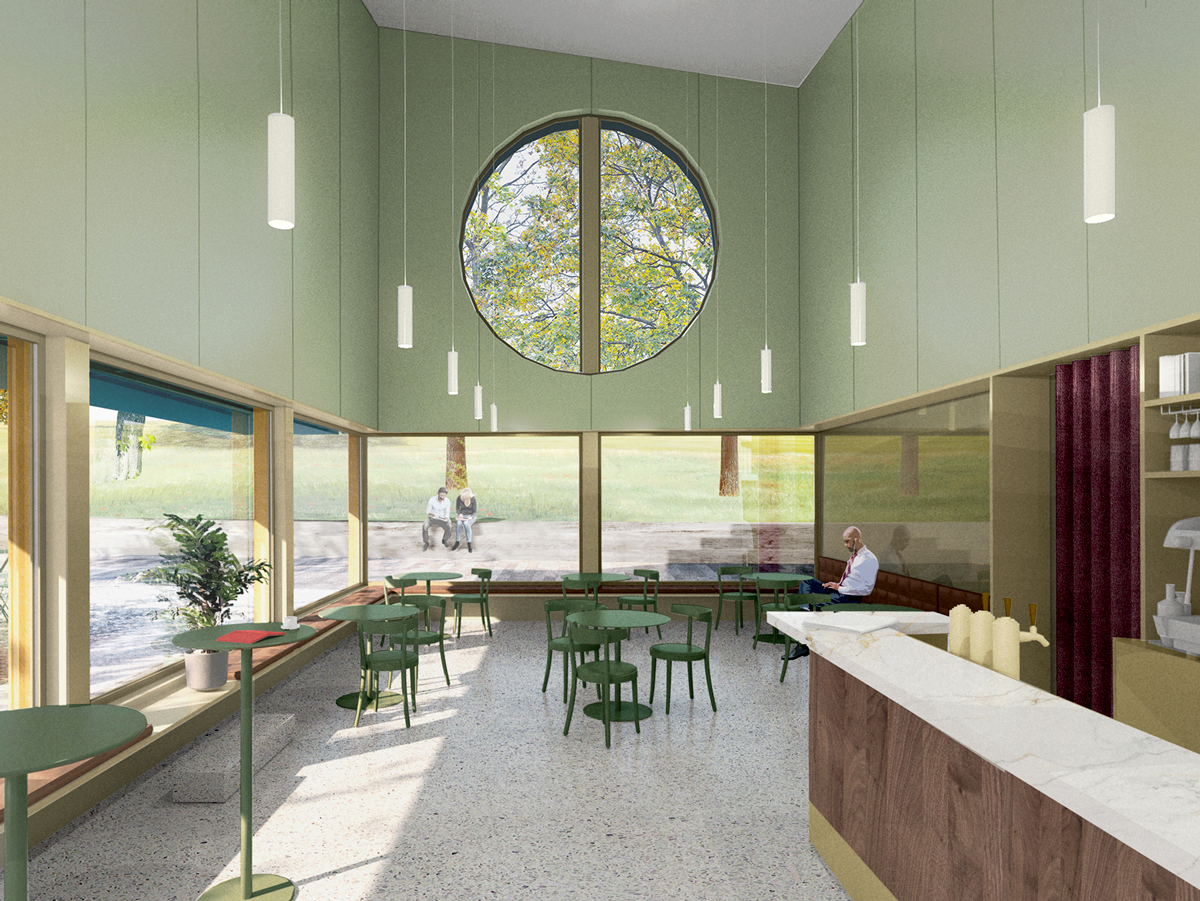
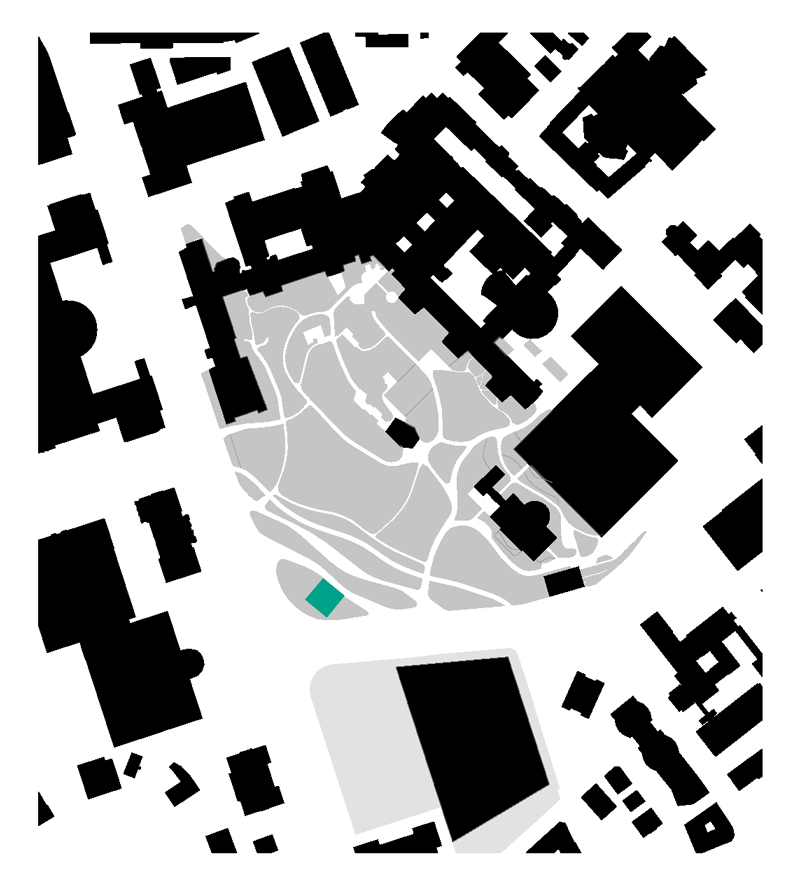
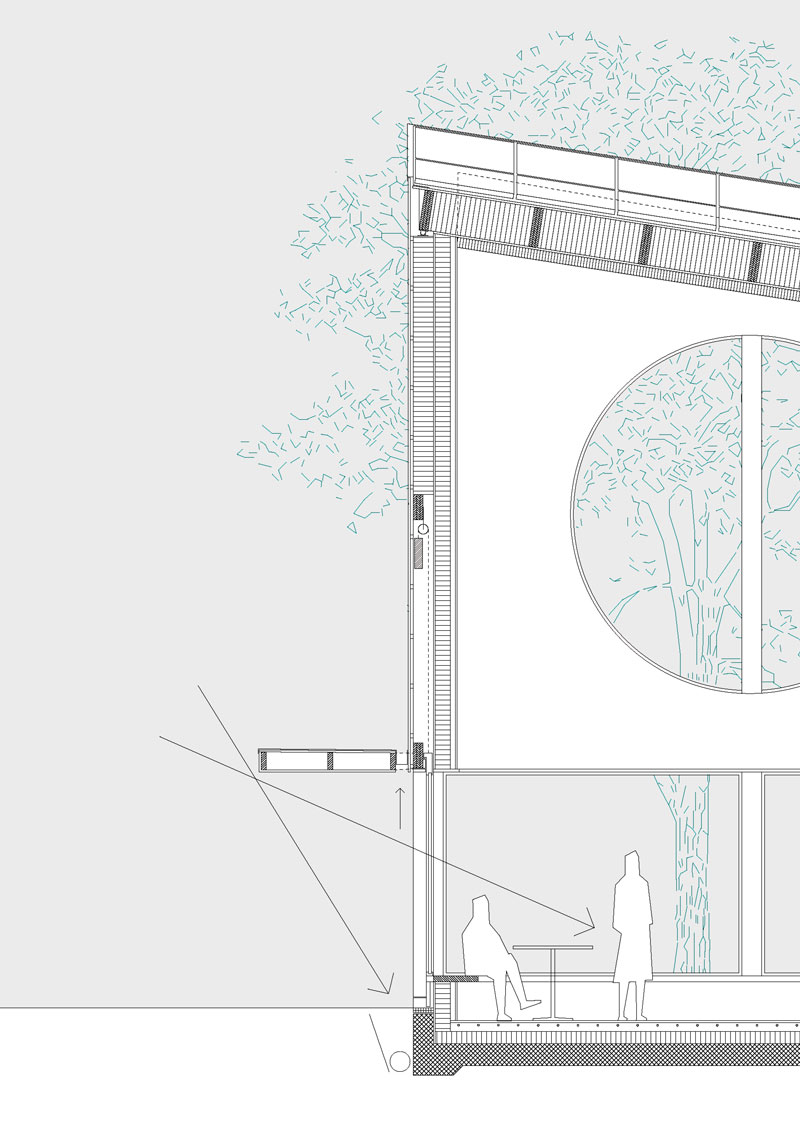
A pavilion in the park, a hybrid programme somewhere between a café and rest, located in the green surroundings of the renovated university hospital, is intended to be an informal meeting place for students from the university campus, and visitors to the health cluster or the new Zurich Forum. From the desire to create a strong, independent and, at the same time, low-impact object, a compact, square volume was drawn up, which is nestled between the green trees and brings together the opposite sides of the street and the park, via a transverse room with a simple and inviting ambience. The roof of one gable follows this duality and is high and generous as it faces the canopy of the trees and low and friendly for people walking on the pavement. This angle bows towards the public square to the south, the slope of which defies the lowest point, giving it an intentional geometric strangeness.


Architecture FMVS + MMMR
Competition, org. Hochschulgebiet Zürich Zentrum

2nd place
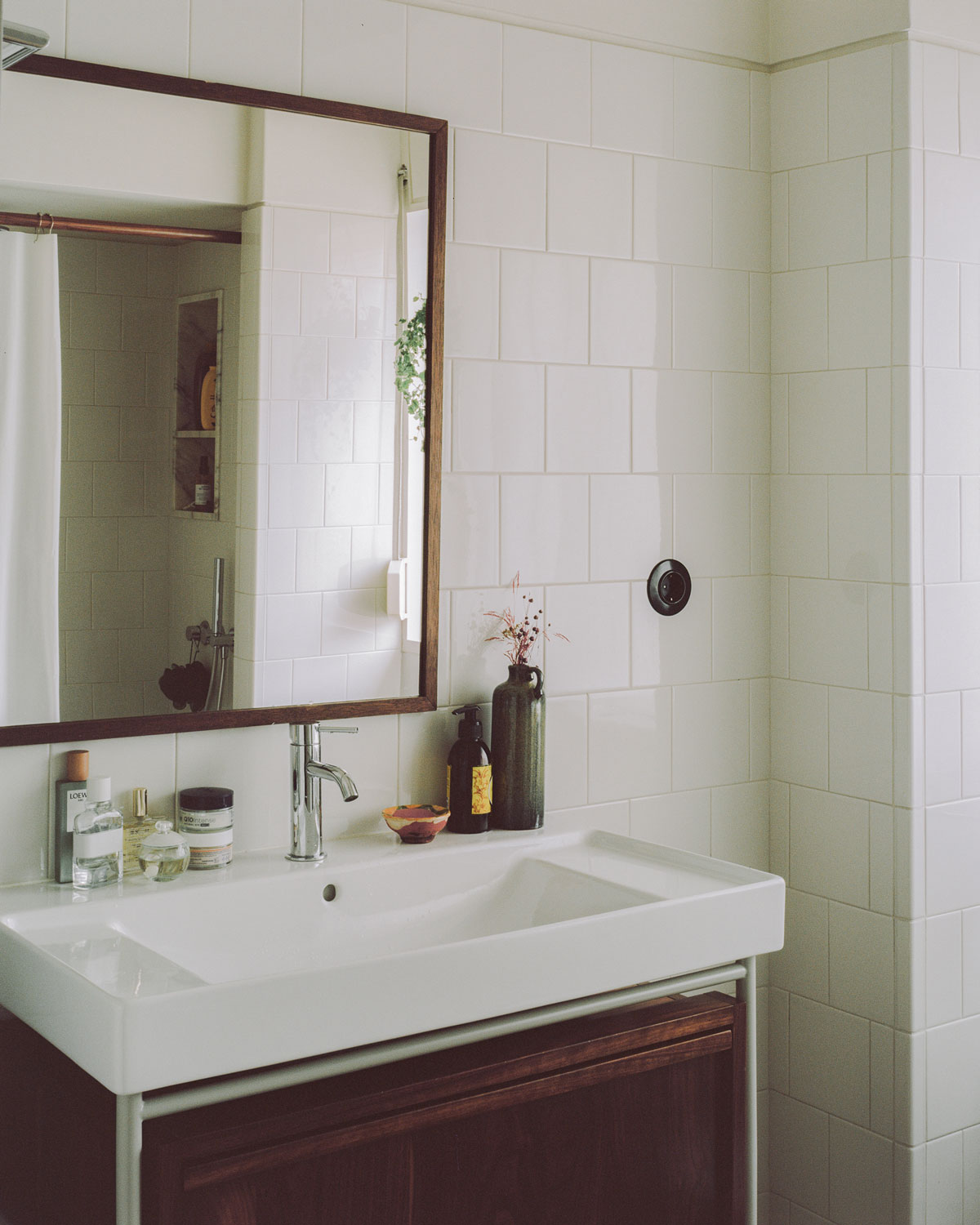
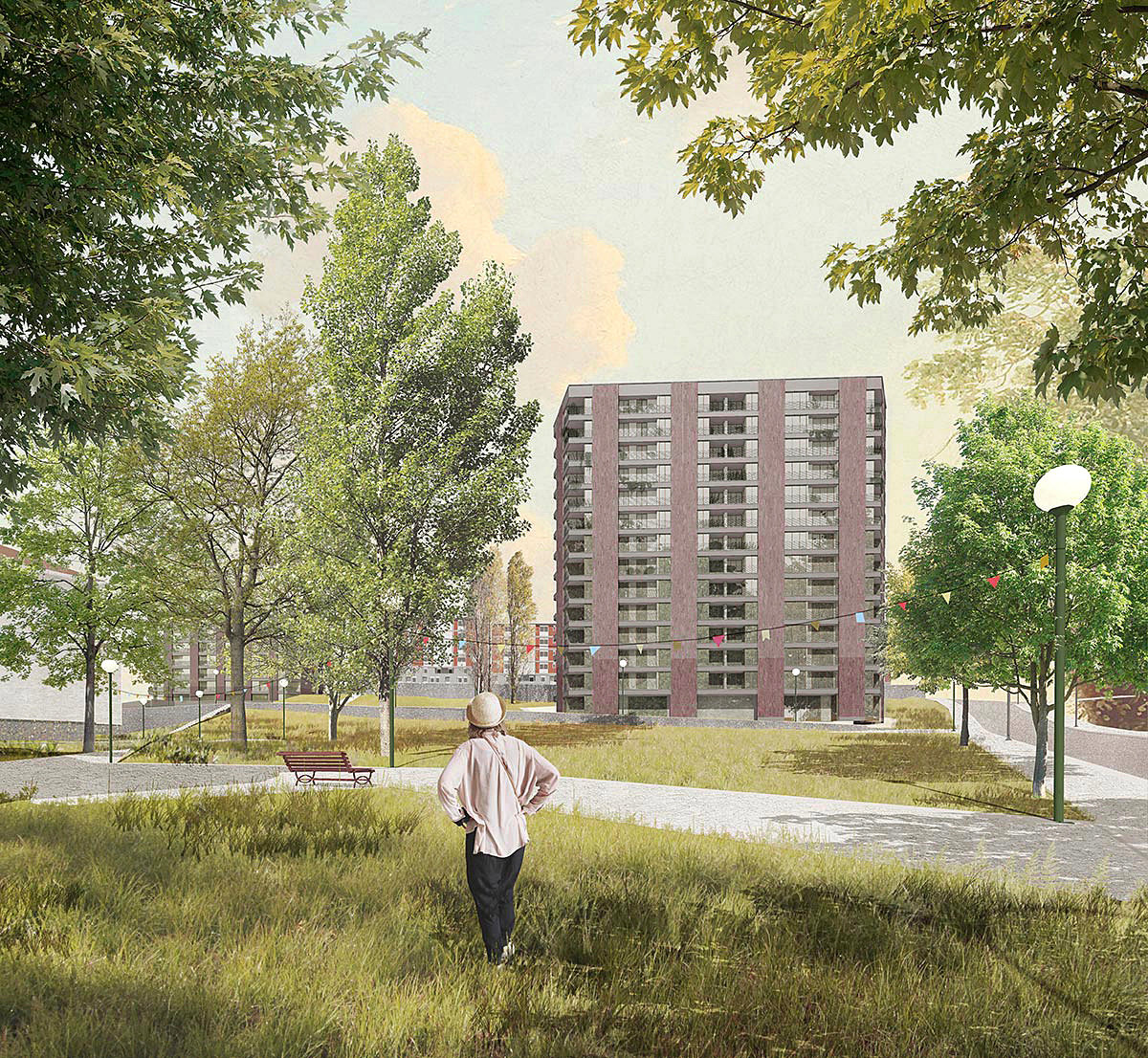
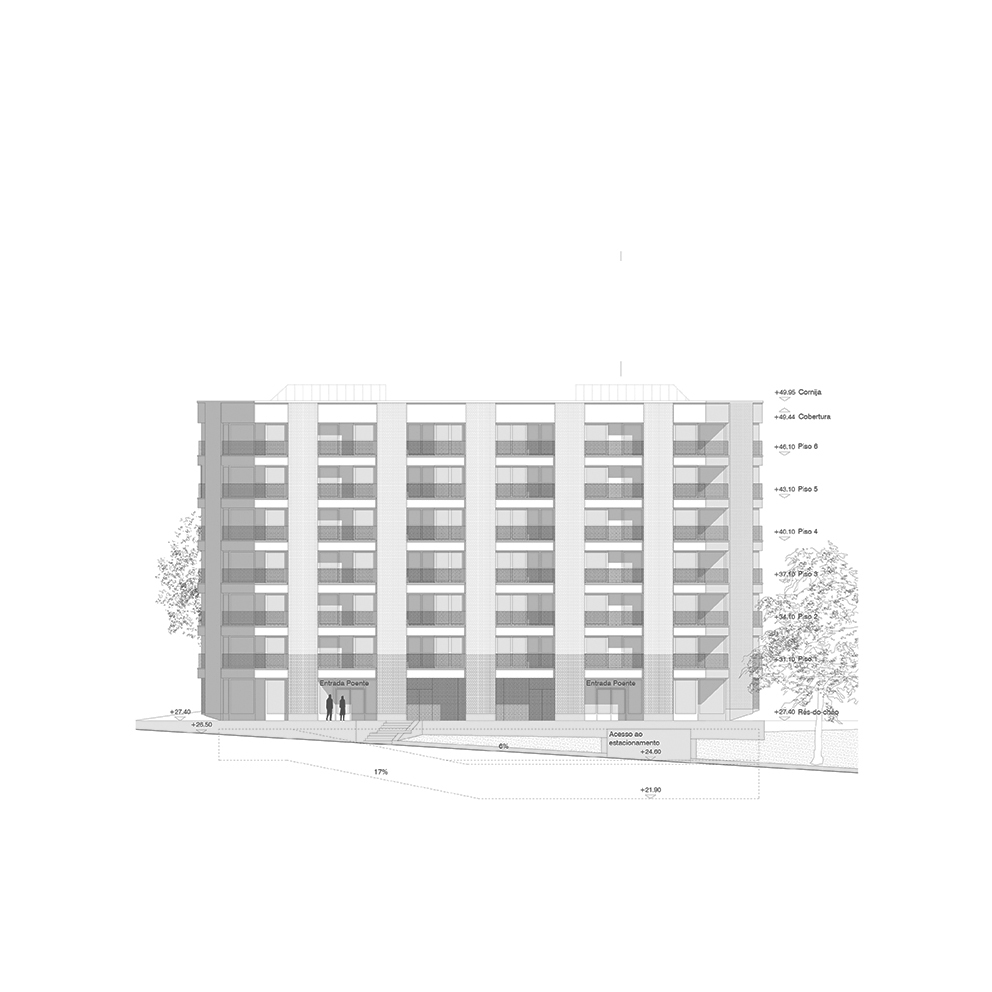
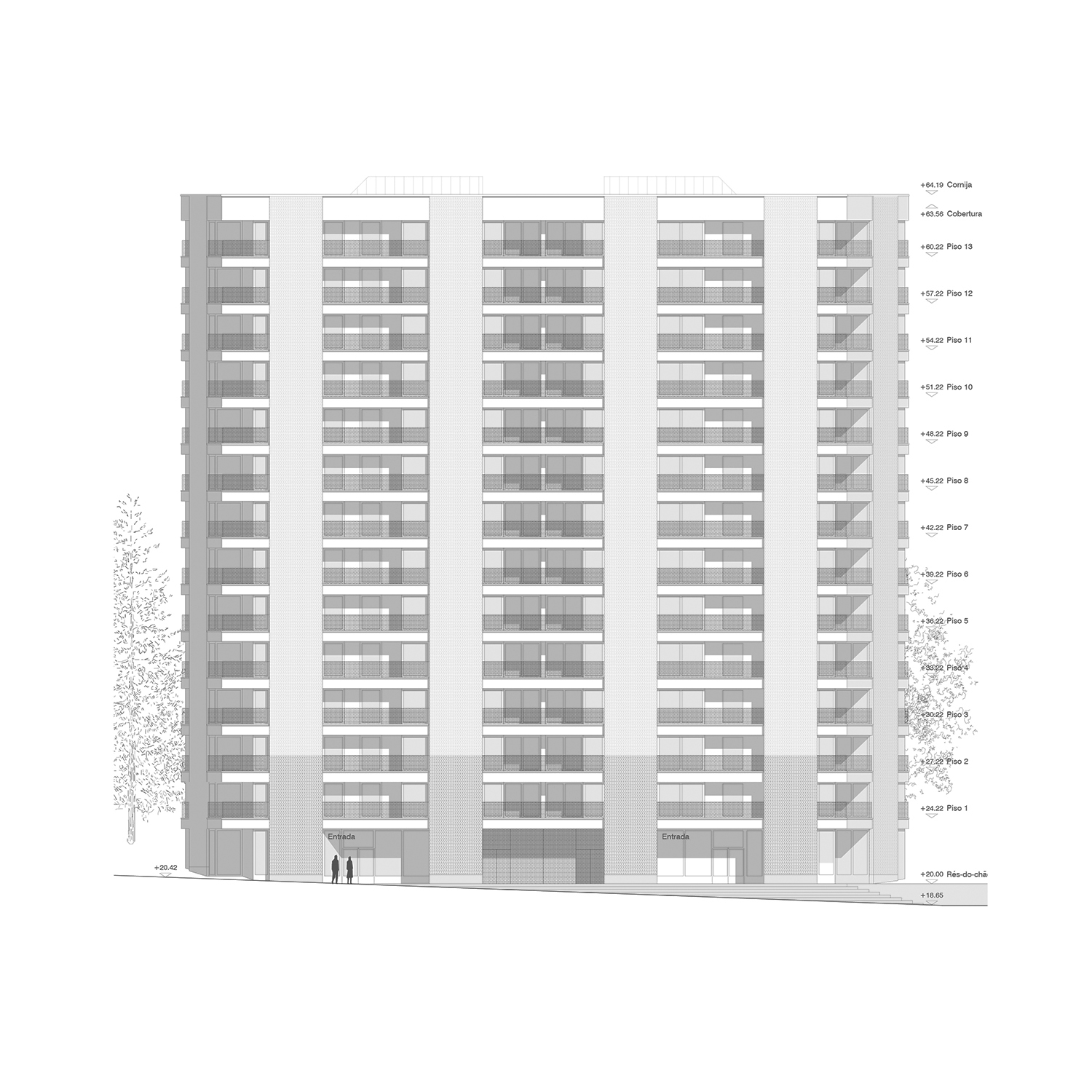
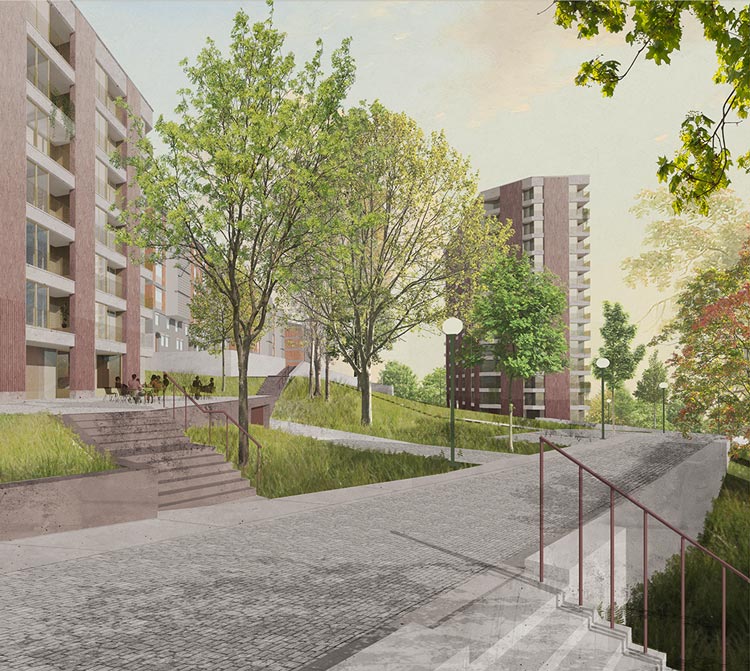
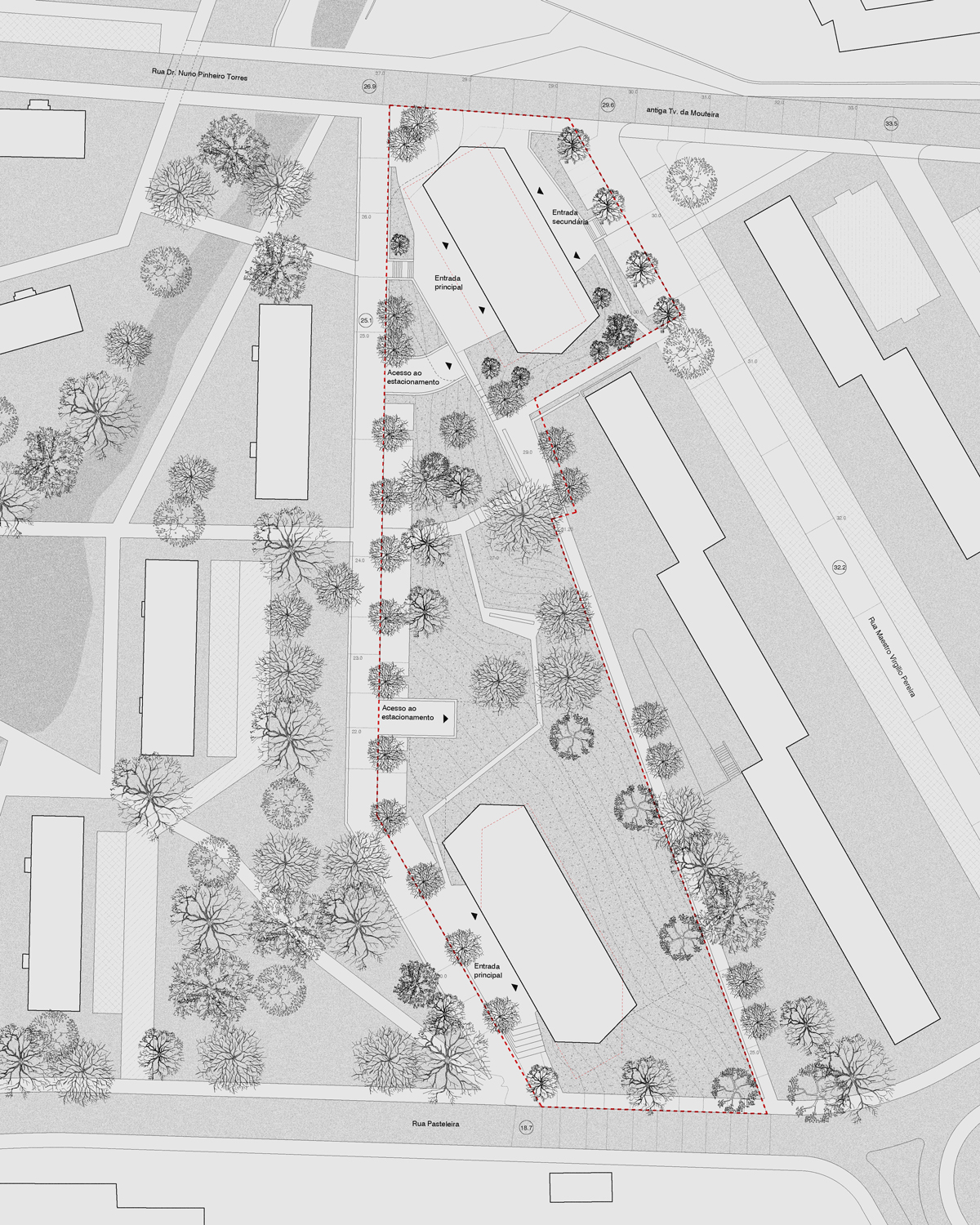
Edifícios de habitação em Lordelo do Ouro
Porto, 2020-

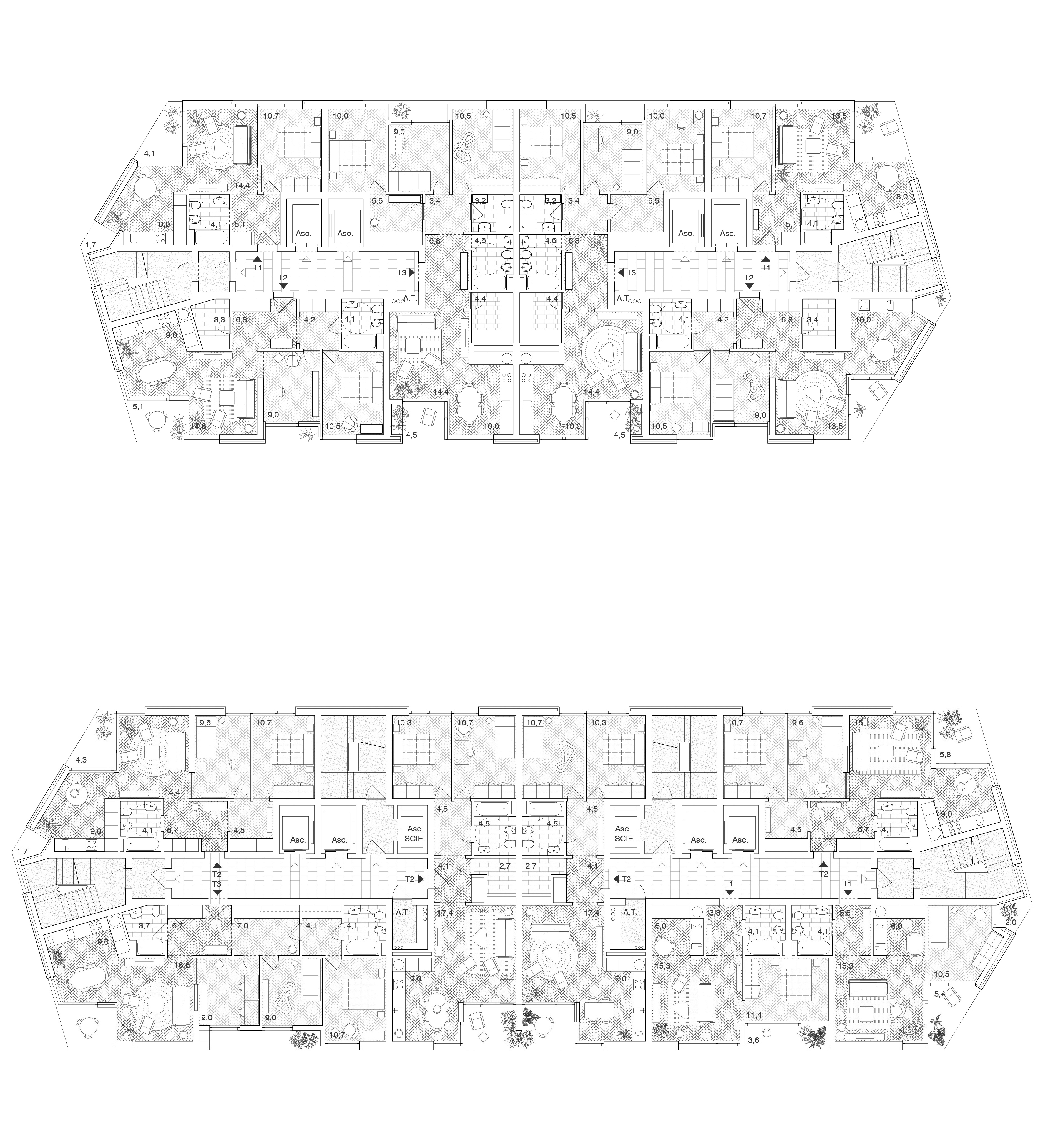
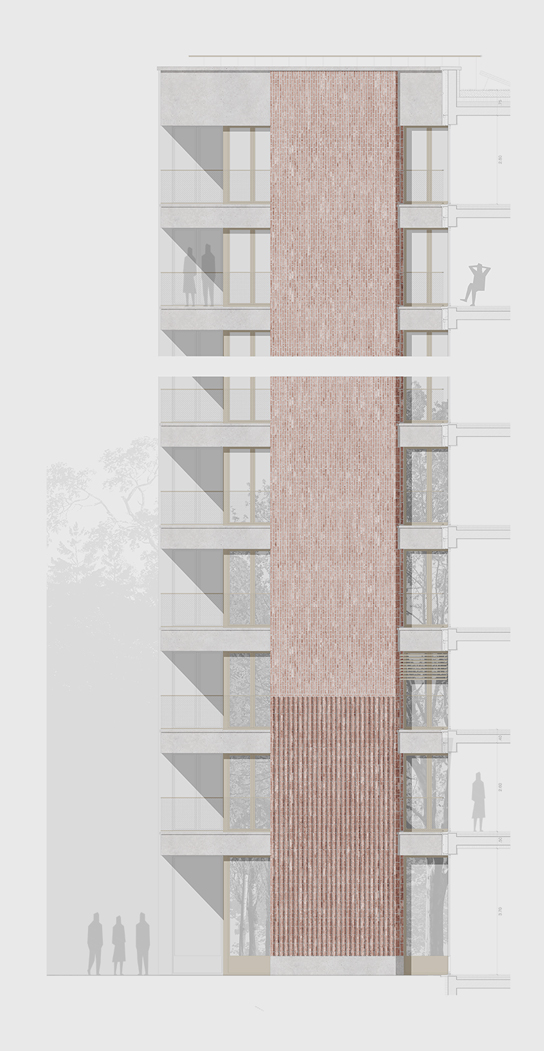
The project for two new collective-housing buildings in Lordelo started, first and foremost, with a landscape with enormous potential. This exceptional character of buildings in the park was an important principle of the proposal from the outset. Adjustments were made to the rectangular shapes proposed in the plan that relieve the tension of a Cartesian geometry, in order to integrate the new buildings into the organic nature of the surrounding topography and flora. The material expression and treatment of the façades brings the new buildings into the constructed environment in terms of expression and scale, especially so that, by their proximity, these two new parts are a valuable contribution to the whole.


Architecture FMVS
Consultants SOPSEC NILUFT CAON
Managment (design) DMP/CMP
Managment (site) DOMUS
Contractor CCR

Competition, org. Município do Porto
1st place
Sede da Ordem dos Arquitectos
Lisboa, 2019

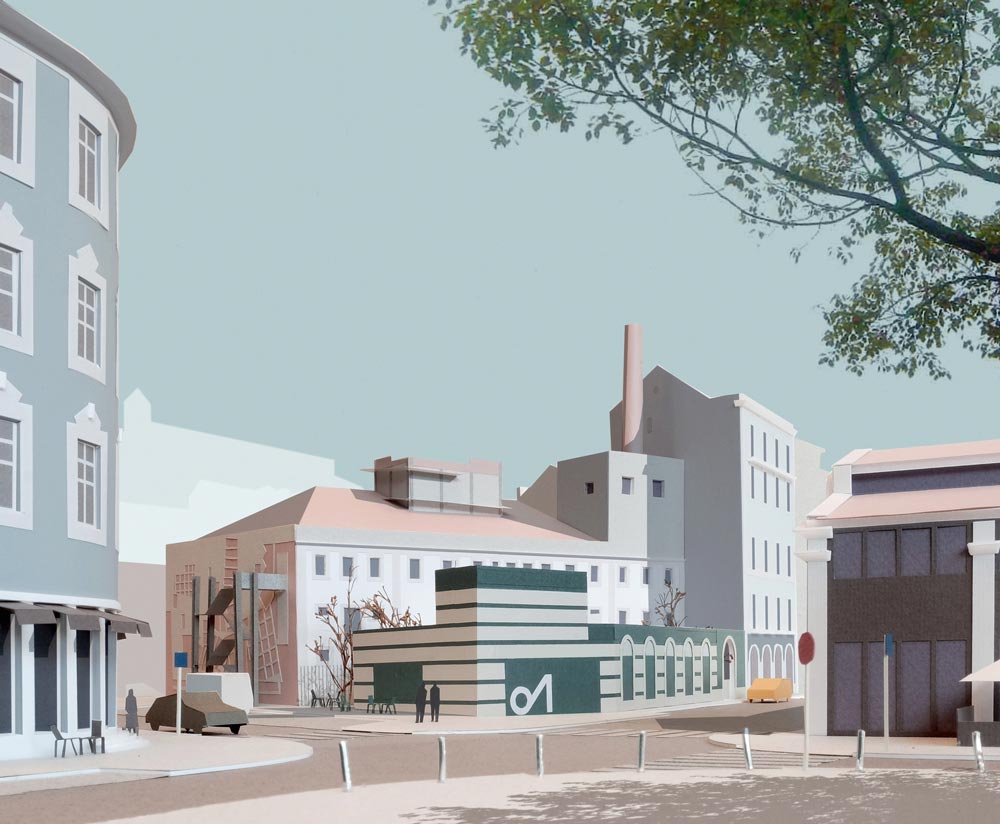
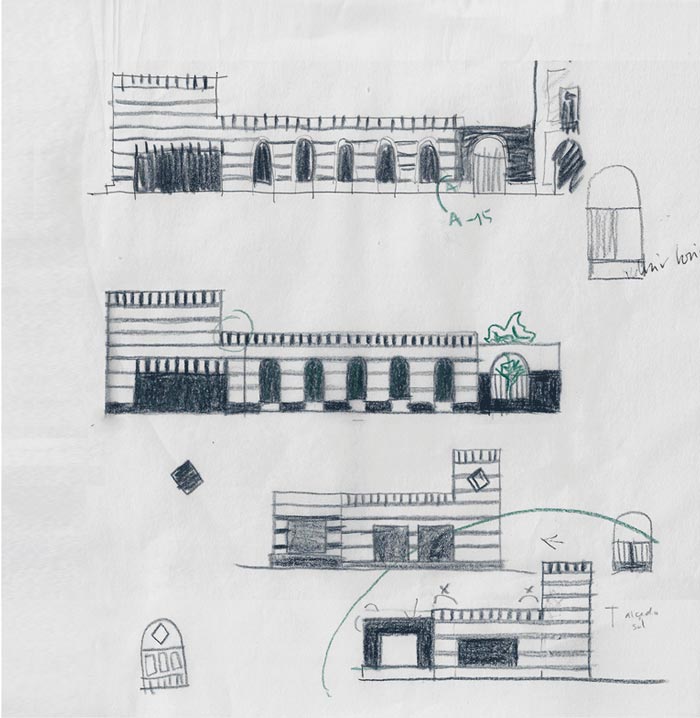
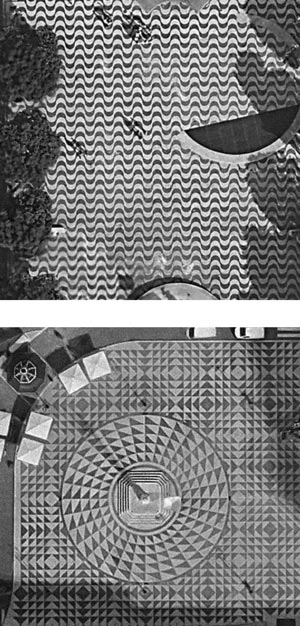
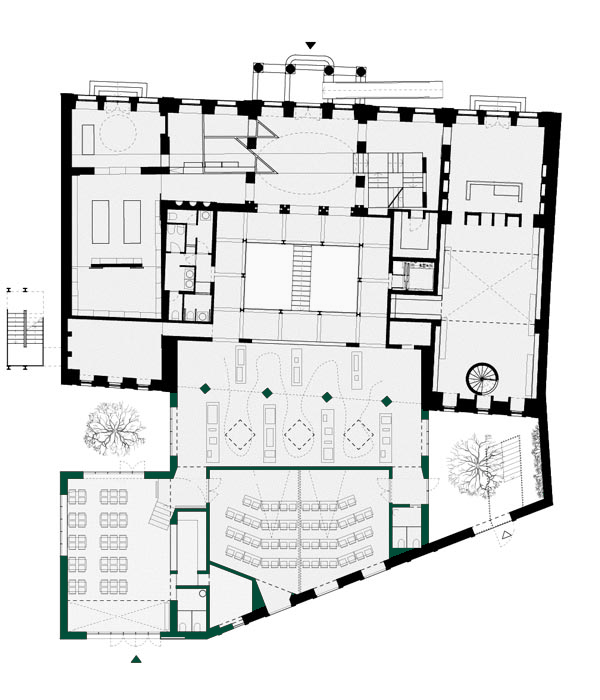
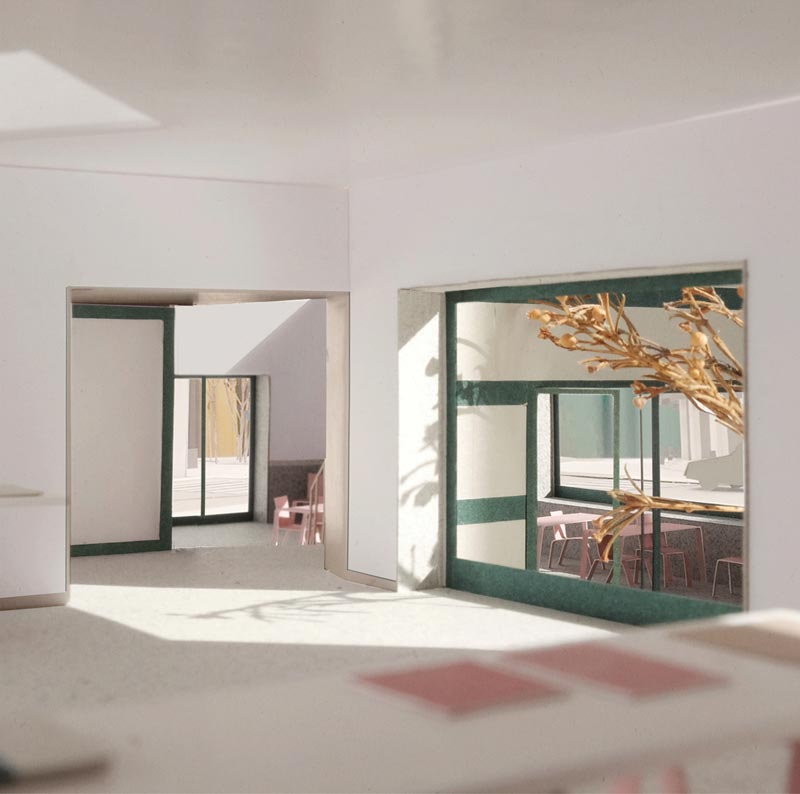
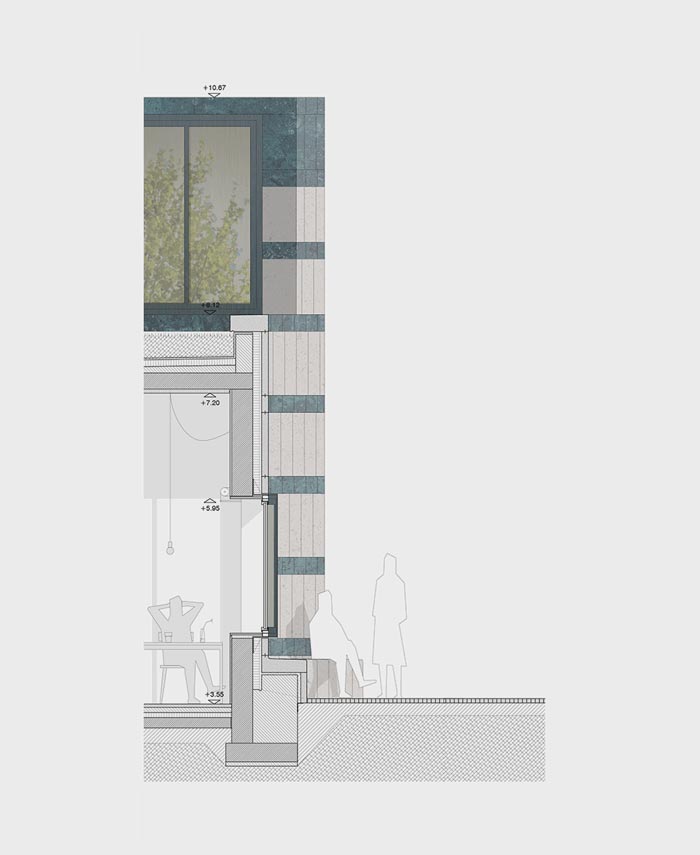
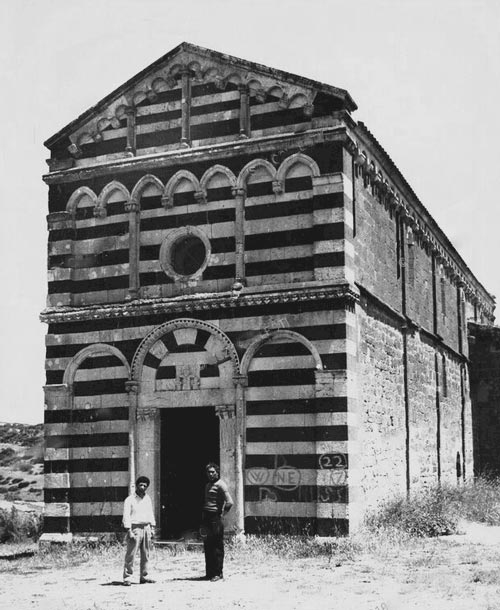
The intention to renew the identity and institutional presence of the OA's headquarters gave rise to a proposal that extends and optimises the old building of the S. Paulo baths up to the limit of the block, absorbing the attached building. Covered with a magnetic composite—a mixture of the Portuguese cobblestones and Tuscan Romanesque—the ground volume links the northern entrance of the main building with the multi-purpose space and the training rooms, ending at the café facing the square, and establishing a public dialogue with the Park-Market-Post Office triad.


Architecture FMVS
Competition, org. Ordem dos Arquitectos

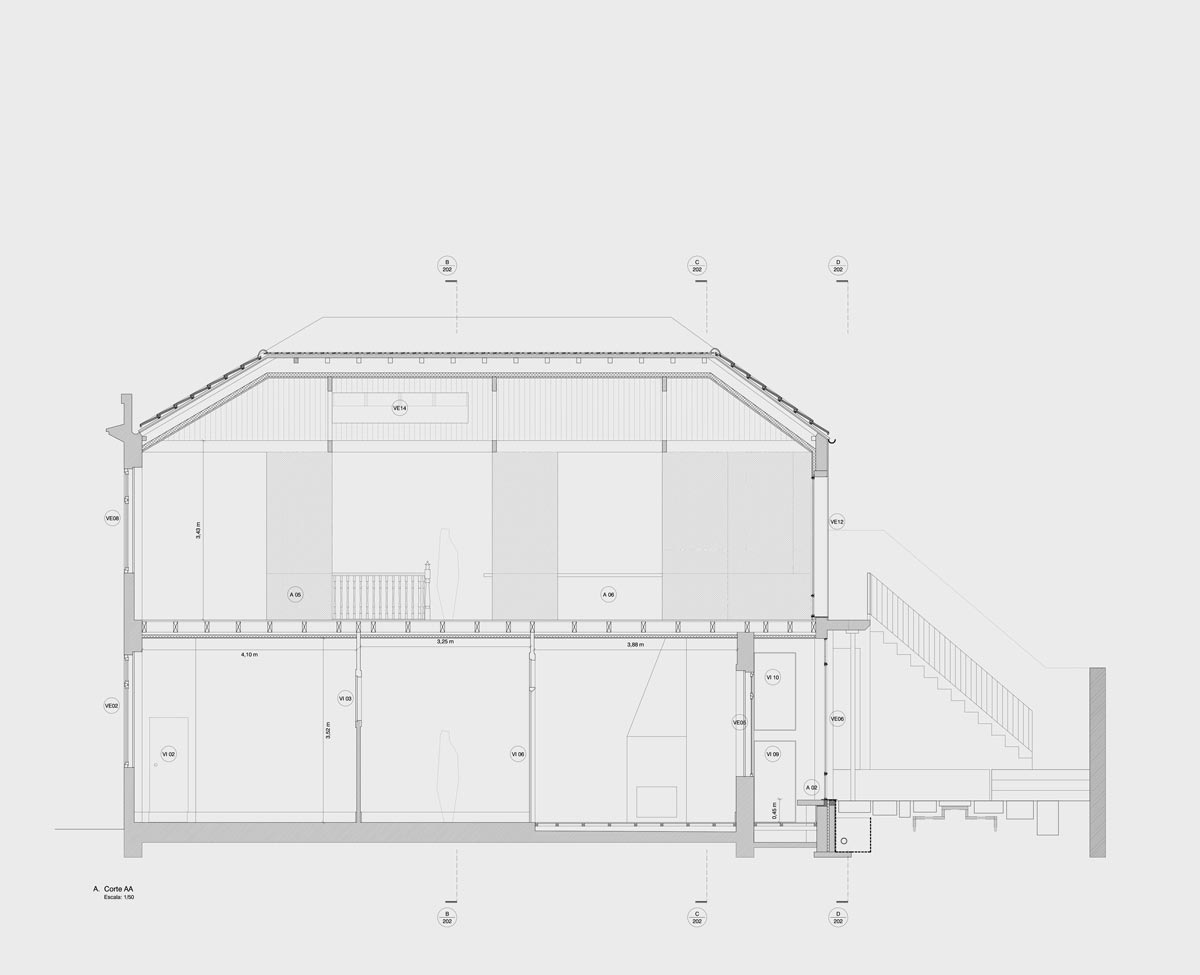
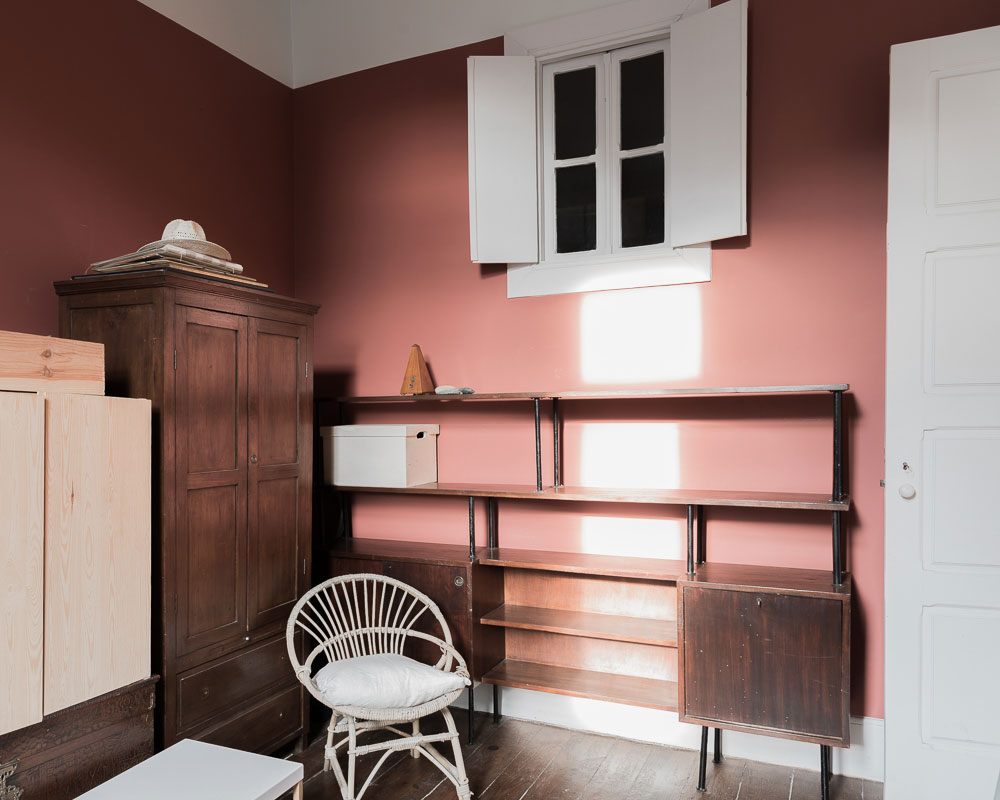
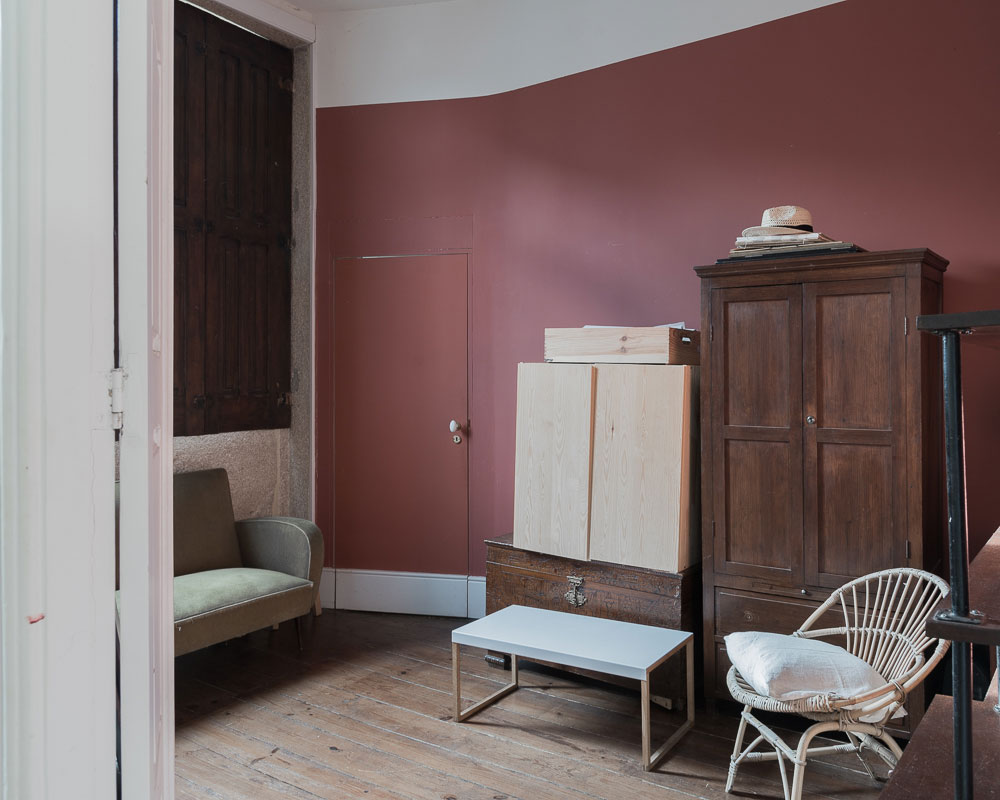
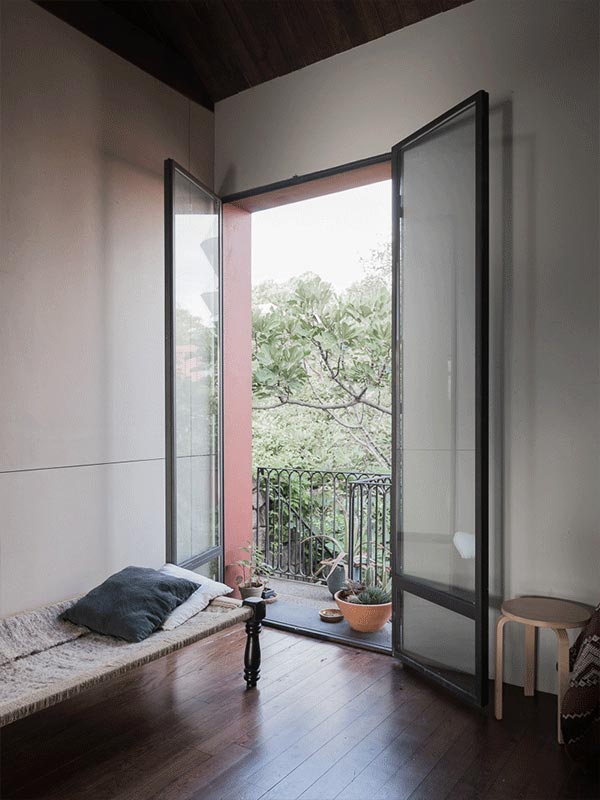
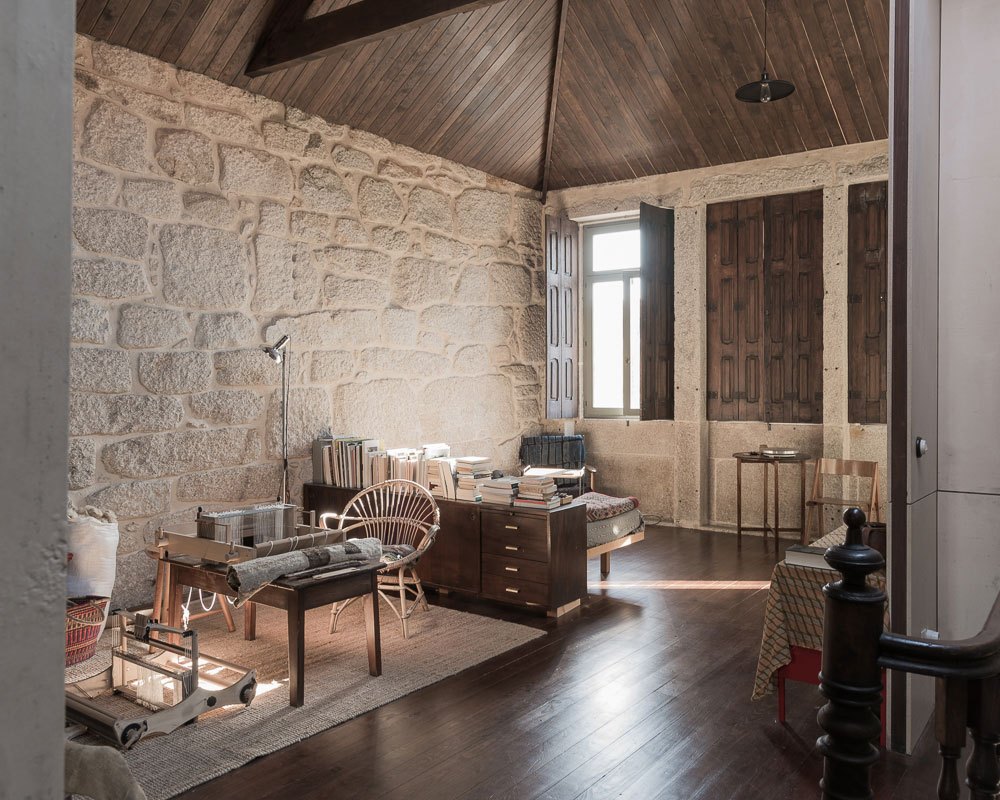
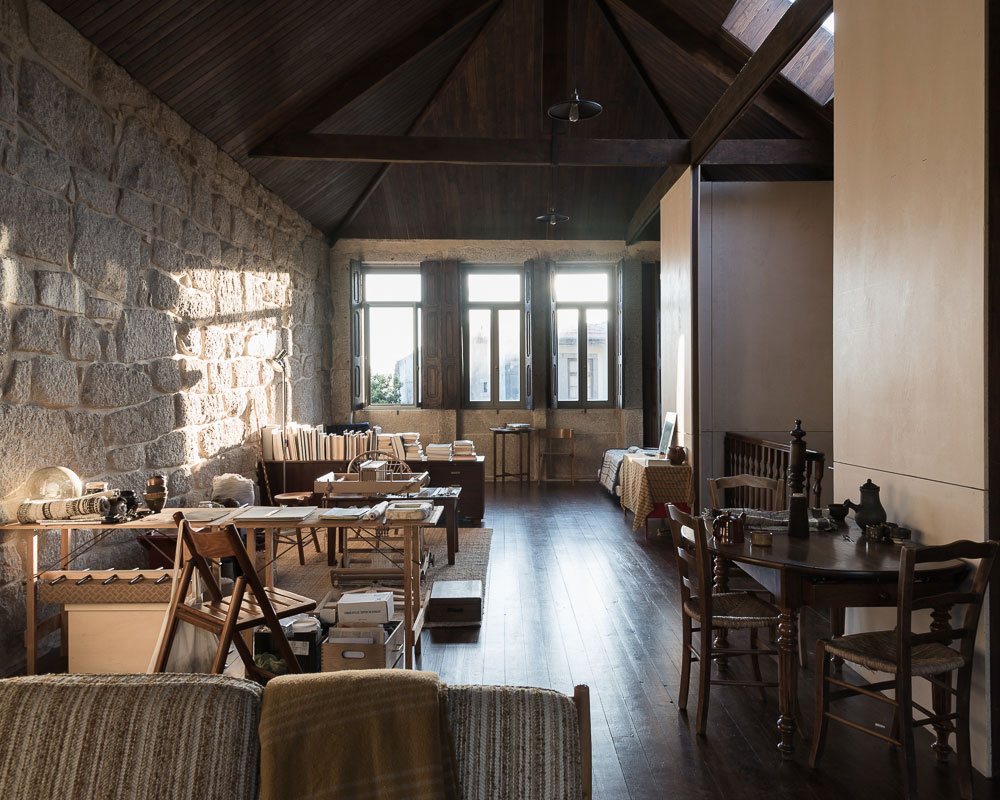
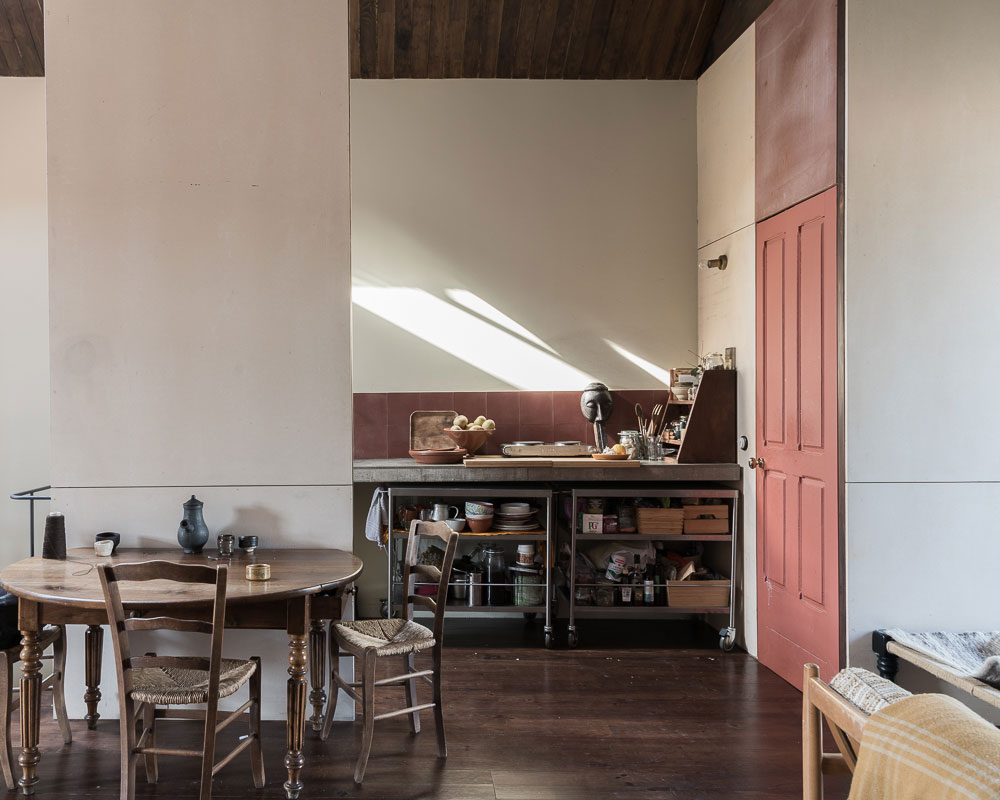
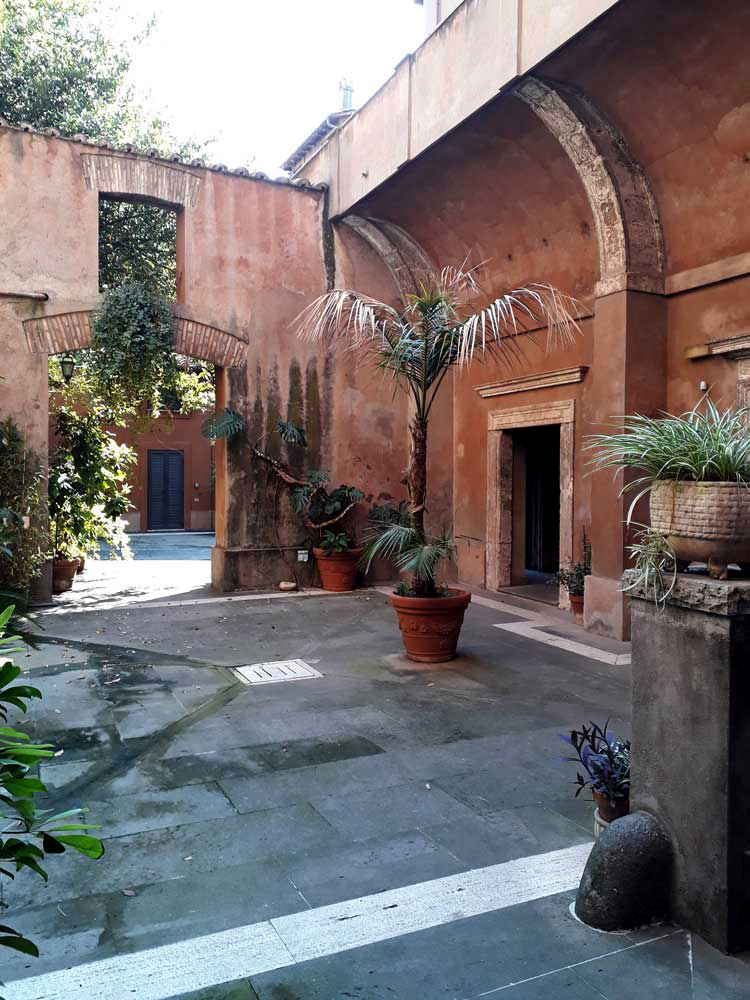
Casa-atelier A26
Porto, 2014-15

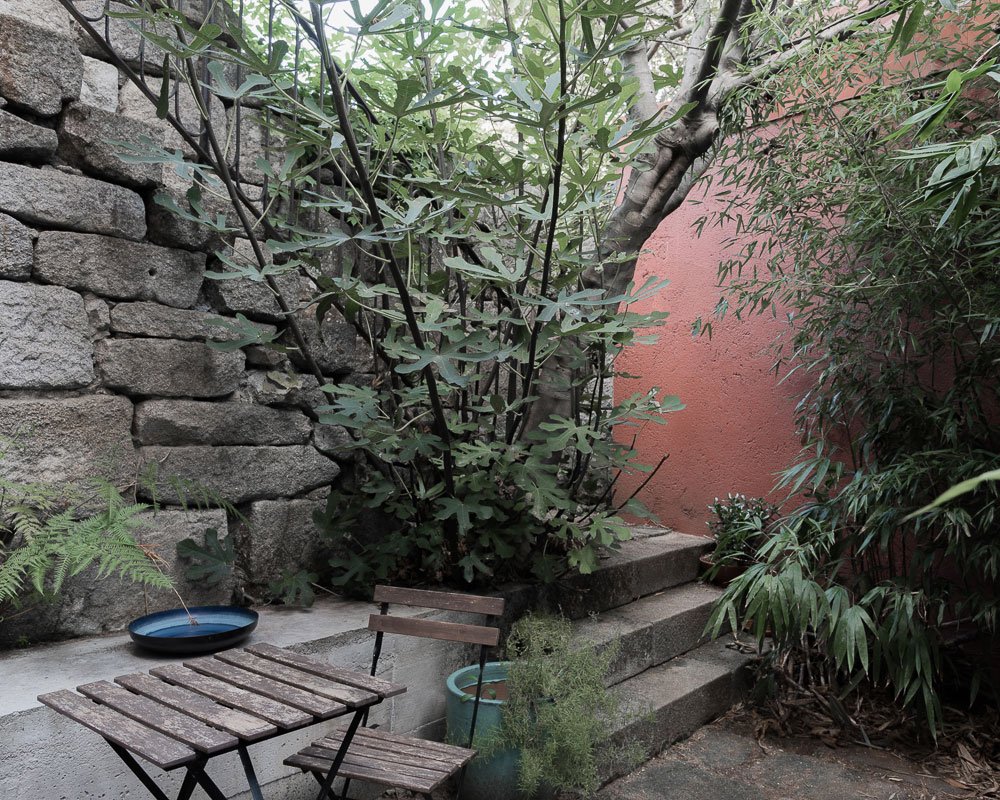
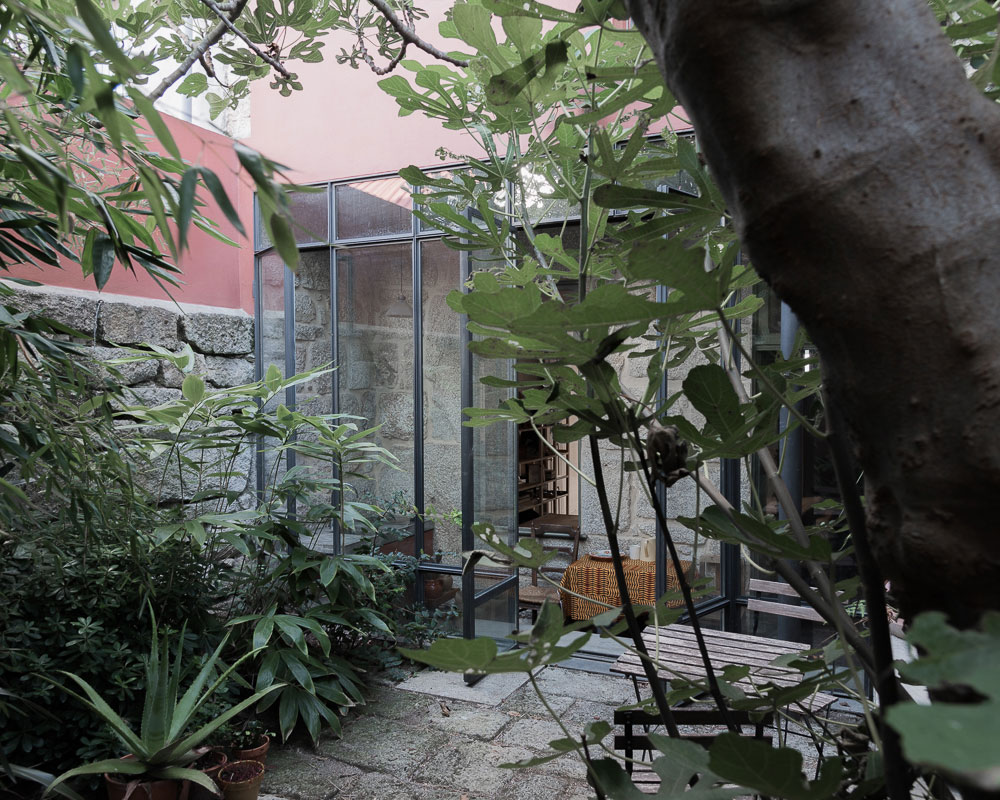
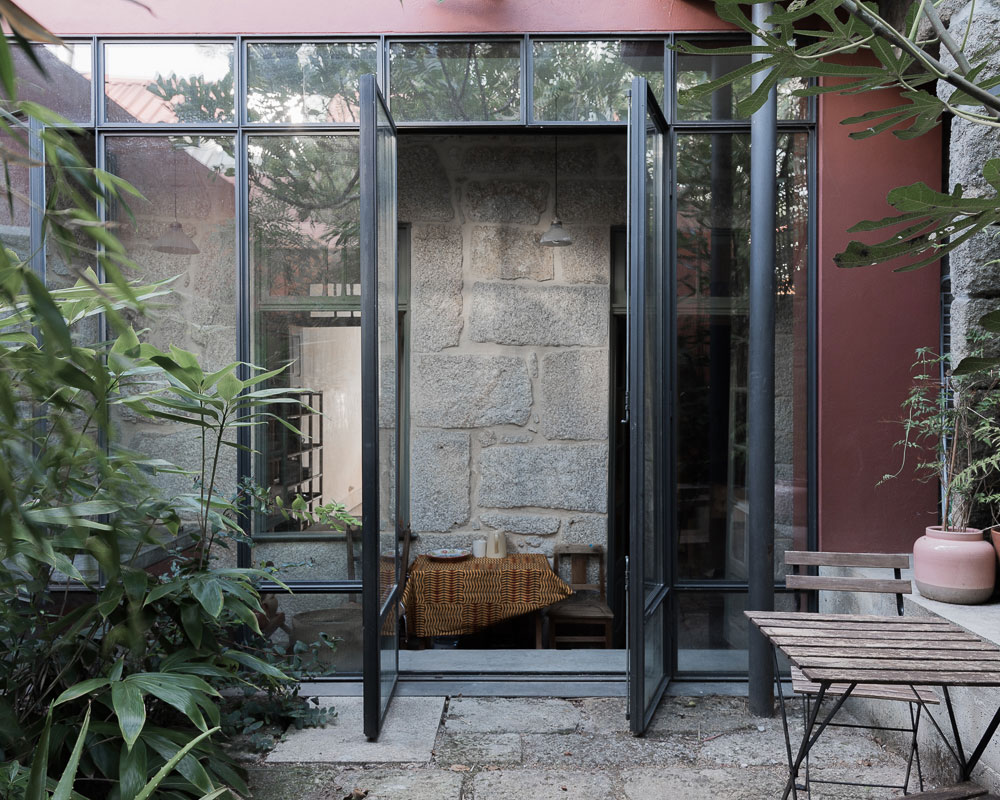
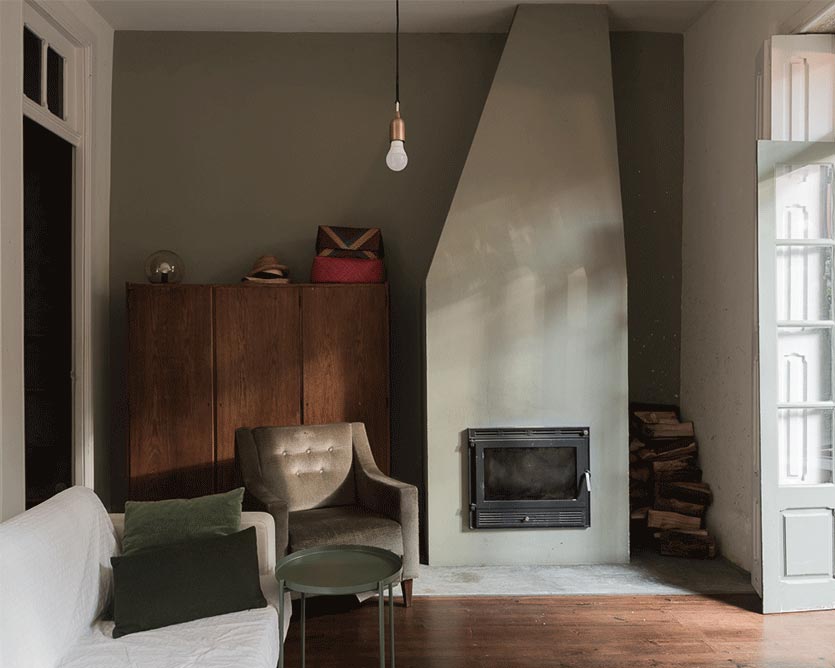
A house that was already a studio, without any intentions of grandeur, kept its free and unique structure, ensured the independence of each floor, sought out comfort in colours, furniture and materials and, outside, the fig tree was given a patio.


Architecture FMVS + Sarah Drouet
Contractor CS
Photography Frederico Martinho

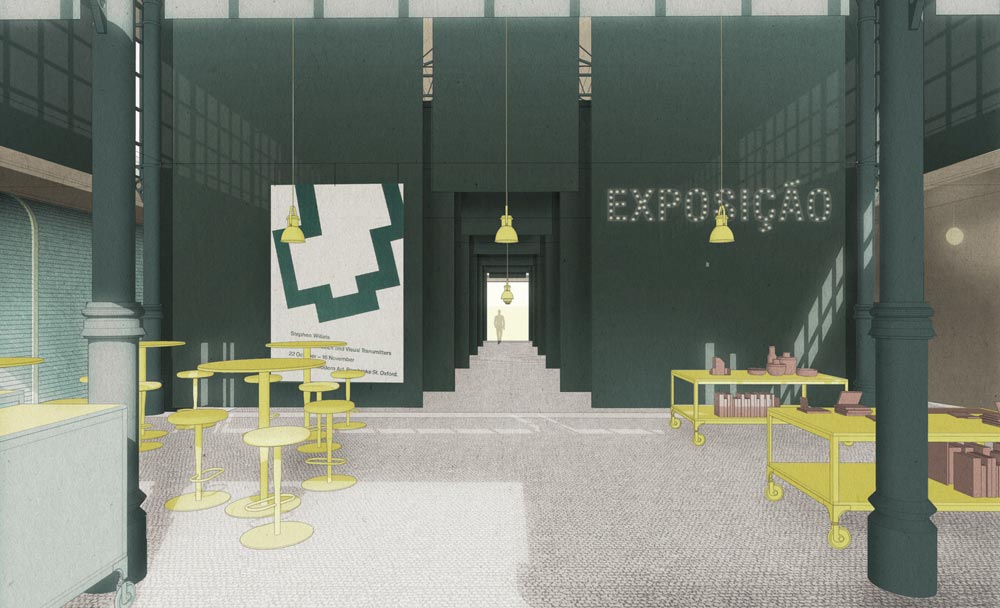
Mercado de Santa Clara
Lisboa, 2017

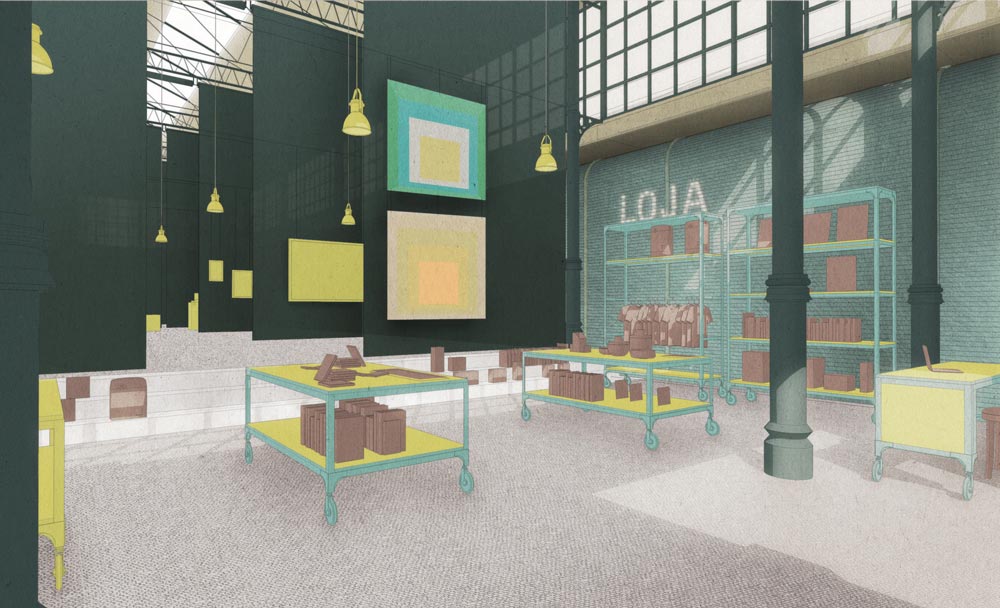
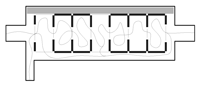
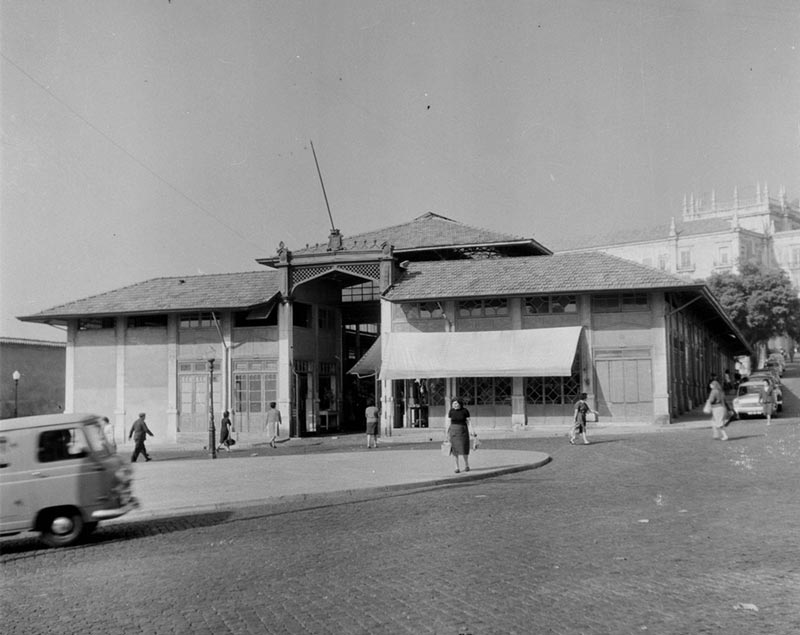
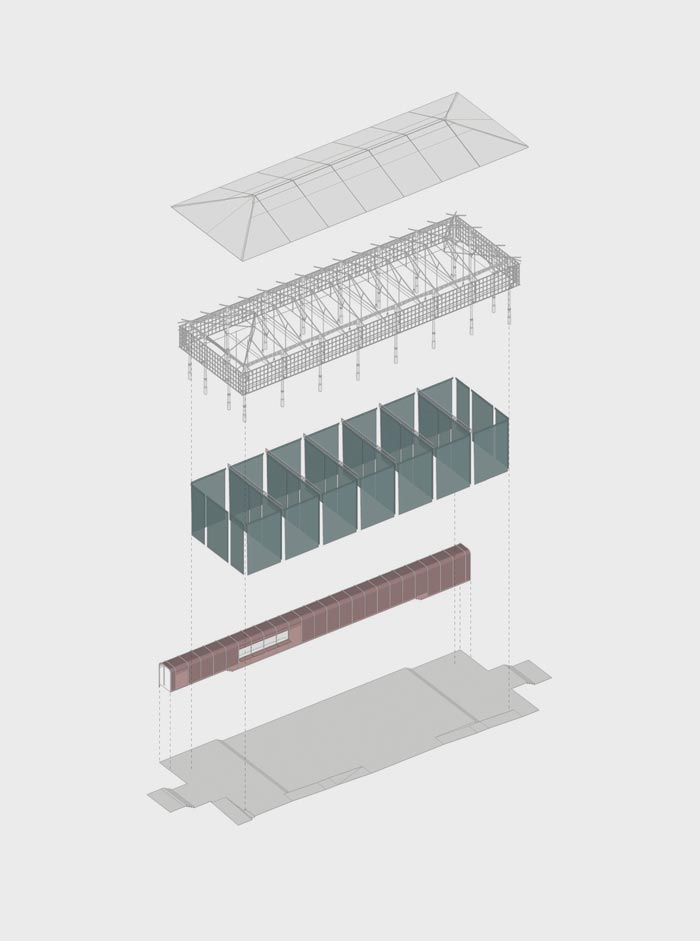
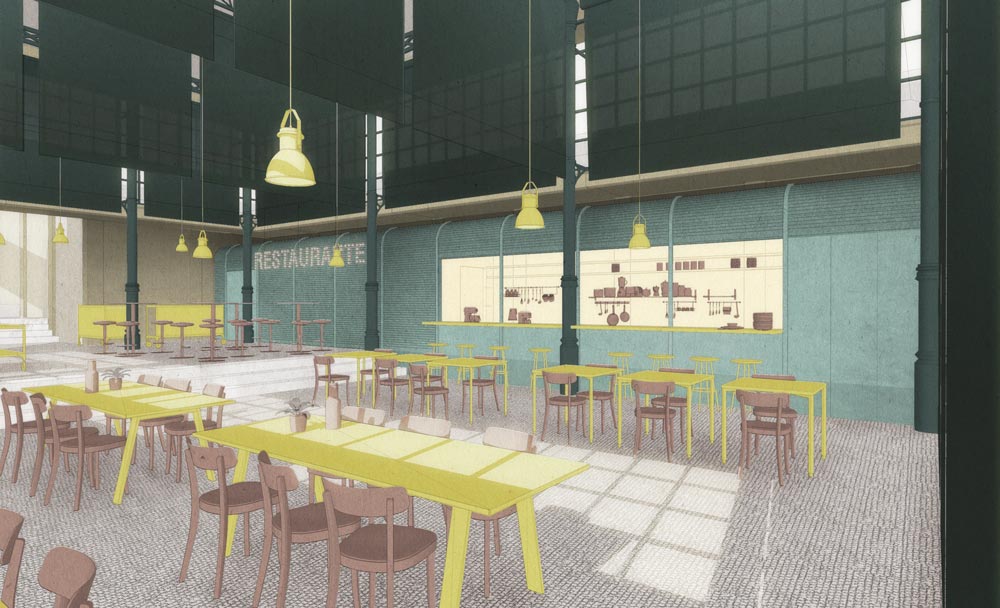
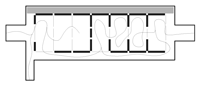
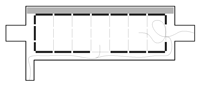
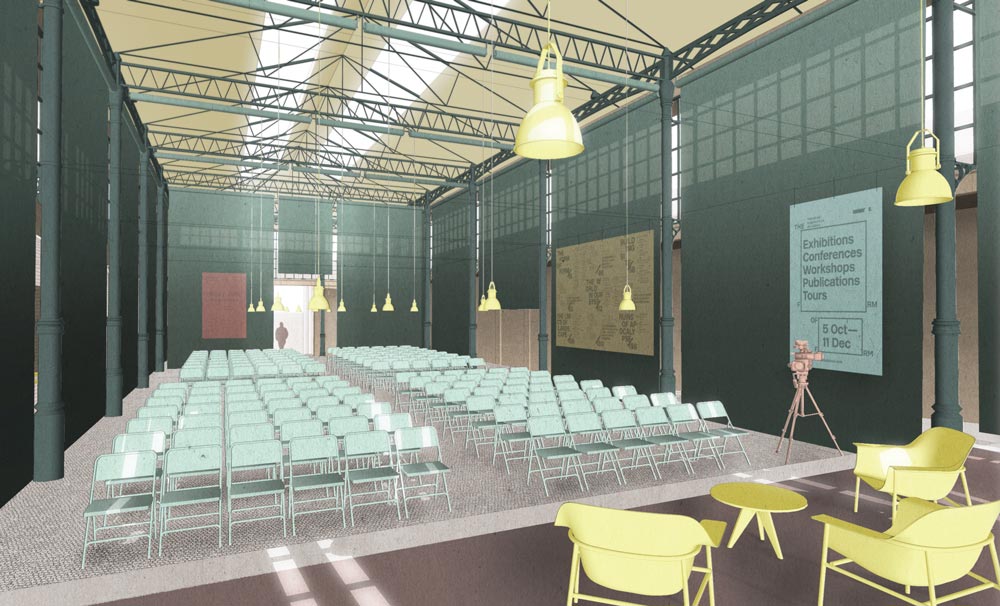
Distinguished by the duality of being an imposing presence in the public space and the friendly scale of a neighbourhood facility, the Santa Clara market had preserved its main characteristics: a longitudinal axis that physically and visually crossed between its two extremes and, alongside it, the large central nave. This is what the current intervention to adapt the market for new uses aims to emphasise by pushing the technical spaces to the lateral spaces and freeing up the central nave for a variety of uses, made possible by introducing a pragmatic and flexible partitioning system of adjustable screens. Used in the shop fronts and in the informal flea market canopies, these canvases provide the continuity of a material that is familiar to the market, but now with a renewed presence.


Architecture FMVS
Competition, org. Município de Lisboa e Trienal de Arquitectura

1st place
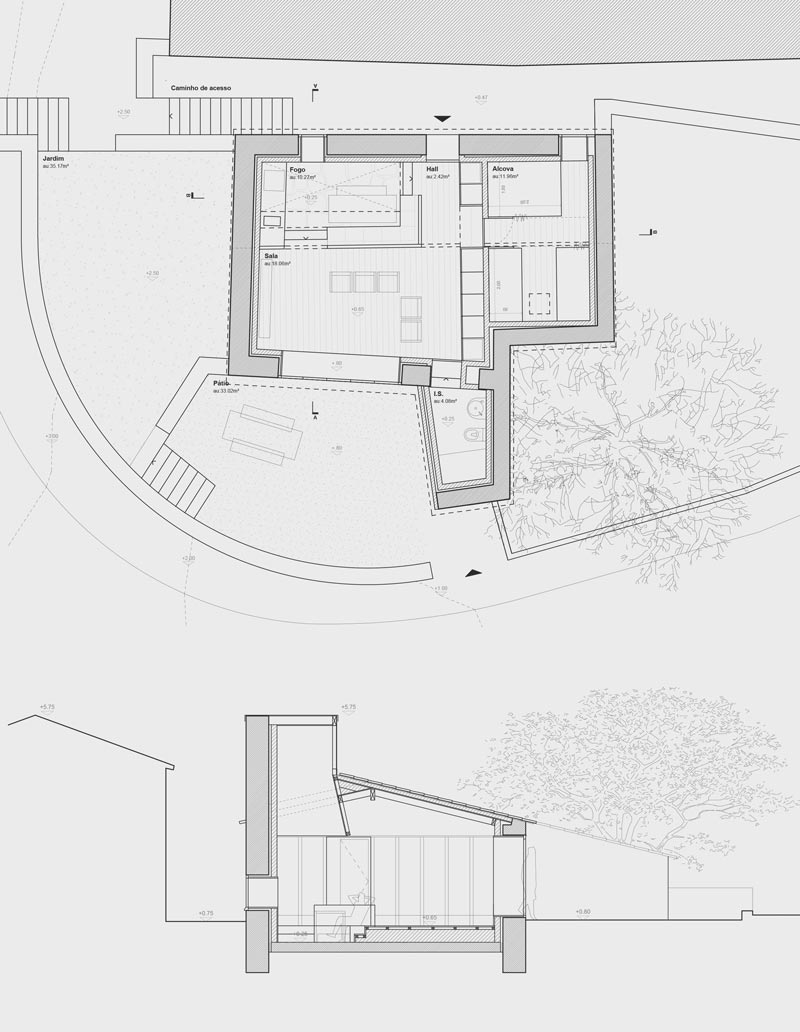
Abrigo de Peregrinos
Condeixa-a-Nova, 2017–

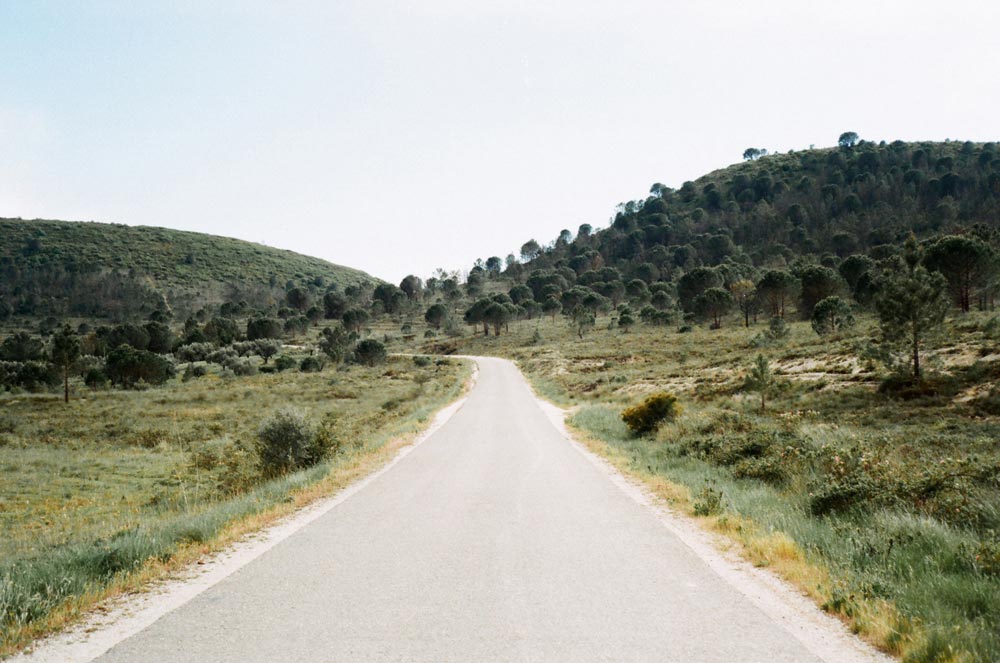
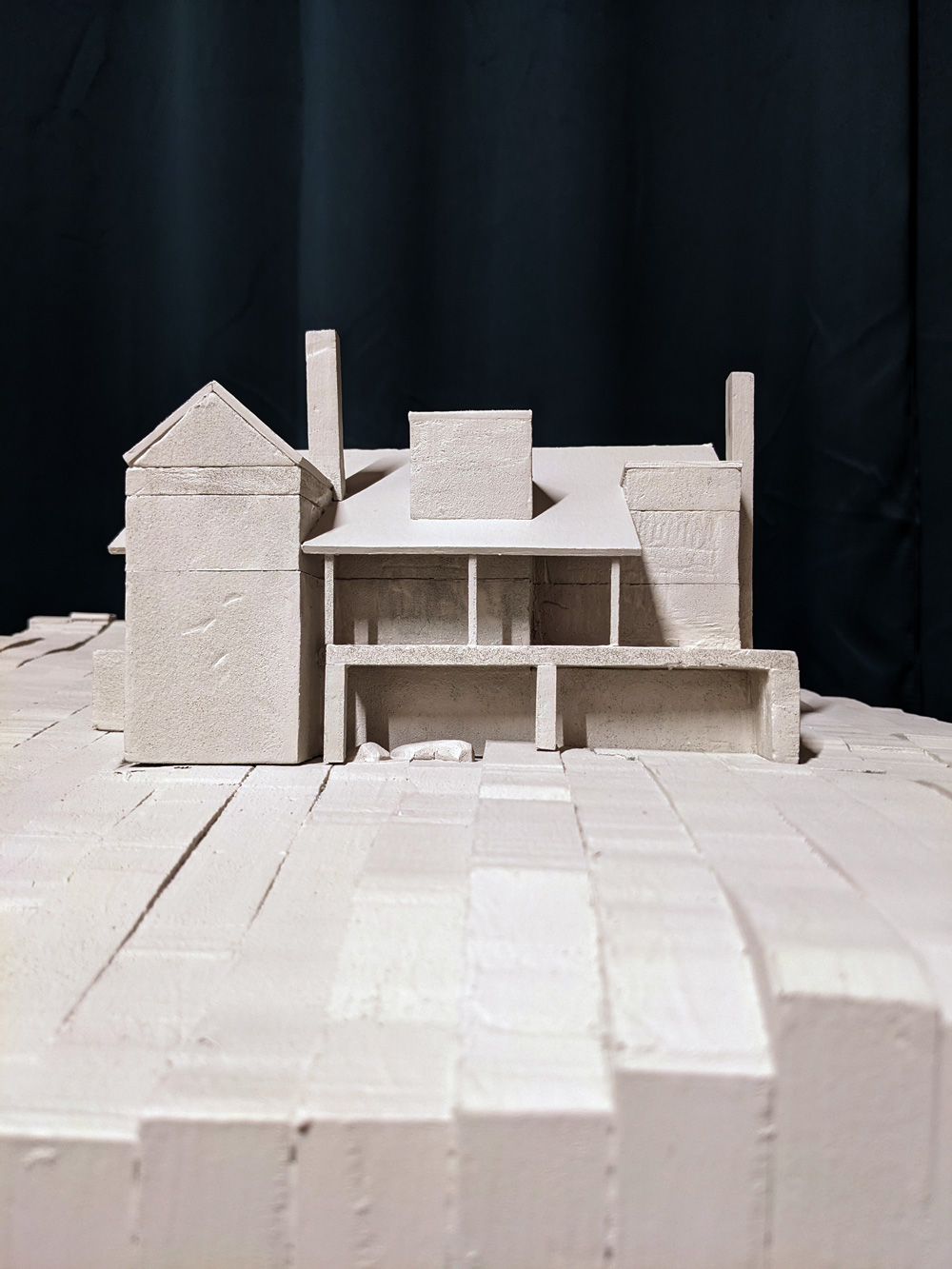
The topography, which has a significant impact on how you arrive at the village, confirms that this is a fertile point—pine trees abound, along with olive trees and arable land, in a green, fresh valley where the community well, which the village is named after, is still in place. With few inhabitants, the small size of the village can be explained by the fact that it is not exactly on the way to anything other than, paradoxically, Santiago de Compostela, which is why the plan is to transform a stable into a country house, which will also be a support structure on the route of the pilgrimage. The stop is signalled by an unusual vertical element that emphasises the volume and attracts pilgrims to where they are welcomed into a reconstruction that explores the authenticity of the vernacular imaginary given contemporary expression.


Architecture FMVS

Bio

Born in the '80s, Vania Saraiva and Filipe Madeira are architecture graduates from the University of Coimbra (Department of Architecture-FCTUC).

Filipe worked at Figueiredo+Pena (2013-19), and with Paulo Providência (2014-). He was a Visiting Assistant Professor in the Department of Architecture at the University of Coimbra between 2021 and 2024. He has been a PhD student at FAUP since 2024.
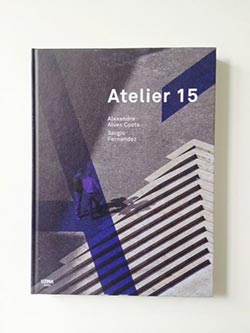
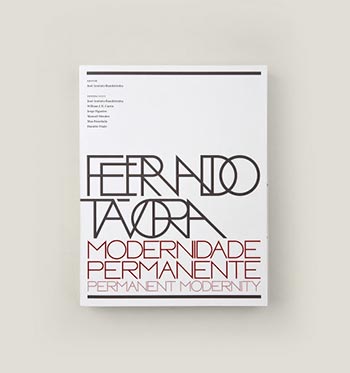
Vânia worked with Alexandre Alves Costa and Sérgio Fernandez at Atelier 15, in Porto (2009-2011), and at Craft Arquitectos (2013-19). She won a scholarship from Fundação da Juventude (2012), and she collaborated in the exhibition Fernando Távora, Modernidade Permanente (2012).
They have been co-authoring projects since 2014, with experience in public and private initiative projects in several countries - Portugal, Switzerland, USA and France. They established themselves as the independent practice FMVS in 2019, in Porto.


Team


Vânia Saraiva (DARQ-FCTUC)
Filipe Madeira (DARQ-FCTUC)
Bernardo Alves (FAUP).

Bárbara Figueira (2023) and Marcelo Rocha (2023–2025) have worked with us in the past.

News

2026 3rd place. Open competition for the renovation of the first public collective housing block in Porto, Bloco Duque de Saldanha. Org. by the municipality of Porto.
2025 Open House The project for two dwellings on Rua da Glória and Rua Sra. da Lapa, Porto, was selected to be part of the Open House 2025 exhibition. Completion expected by the end of 2025.
2023 1st place. Closed competition for the renovation and extension of the Conimbriga Monographic Museum, Condeixa. With Paulo Providência. Org. by the municipality of Condeixa-a-Nova and DGPC. Ongoing.
2022 Vânia and Filipe were workshop tutors at the CASA 2022 Summer School, org. by the Department of Architecture of the University of Coimbra.
2021 2nd place. Open competition for a Pavilion in the Garden of Zurich University Hospital, Switzerland. With MMMR. Org. Municipality of Zurich / Hochschulgebiet Zürich Zentrum.
2020 1st place. Open competition for blocks D and E – Collective Housing Buildings in Lordelo do Ouro, Porto. Org. Municipality of Porto. Ongoing.
2017 1st place. Open competition for the Rehabilitation of the Santa Clara Market in Lisbon. Org. Municipality of Lisbon / Trienal de Arquitetura.
2016 2nd place. Open competition for the rehabilitation of the Sampaio Ferreira textile factory, Riba d’Ave. Org. Plataforma Espaço de Arquitetura, with the Municipality of V. N. Famalicão.
Contact

Rua da Alegria, n.º 972
4000-040 Porto, Portugal

E-mail correio@fmvs.pt
Telephone +351 22 096 72 05

Instagram fmvs.atelier

© 2026 FMVS
All rights reserved